



"I'm so grateful I found Dr. Cook's work—she is the best of both worlds. I trust her and I don't even know her. Morally authentic and kind with really strong clinical chops. Thank you Dr. Alison for helping me to stay hopeful when I had almost given up."
"I can't say enough about this podcast and Dr. Alison. I have listened to every episode and can't wait for the next one. She has shed so much light onto my spiritual pain. . . I am learning how to heal and live the life God has planned for me."
"I started this podcast roughly a year ago from start to finish. I was struggling, had tried several other podcasts, several counselors, and I was just lost but really could not identify why. I started listening to this podcast in the mornings and my life has really changed. It gives me the tools in the morning to wake up my emotions and really dive into some topics that have made me more self aware without shame!"
"I have learned so many new perspectives and tools through this podcast!"
"There are so many takeaways that have changed my perspective, illuminated my circumstances, or simply encouraged me to tears. Thank you, Dr. Alison!"
“Dr. Alison’s compassion and understanding of psychology in tandem with Scripture is excellent and so very helpful. One episode is better than the next and I often listen more than once and share them!”
Choose a category to narrow your search
Sexual wounding shows up in so many different ways, and it affects so many men and women.
Maybe something happened that felt off, invasive, confusing, or inappropriate, but you told yourself it wasn’t a big deal. Maybe you’ve never used the words sexual abuse or sexual violation because what happened didn’t fit the picture you had in mind.
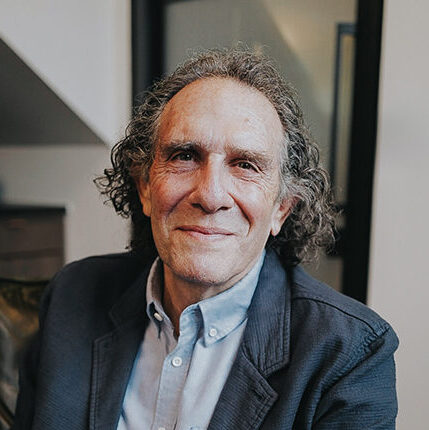
In this week’s episode, Dr. Alison is joined by trauma expert and bestselling author Dr. Dan Allender for a compassionate conversation about sexual abuse, sexual wounding, shame, trust, and the road toward healing.
Dan explains why abuse is not only about a single event, but about how that event becomes woven into the larger fabric of a person’s story. They explore why so many people minimize what happened, how involuntary body responses can create profound shame, and why these wounds often surface years later in our ability to trust, receive love, hope, and connect intimately with others.
You’ll learn:
- What sexual abuse and sexual wounding can look like beyond the narrowest definitions
- Why shame can linger long after an experience is over
- How abuse affects trust, hope, intimacy, and your relationships
- What parents can do when a child shares that something uncomfortable or violating happened
- How to approach your story with honesty, compassion, and dignity
Sometimes the first step is simply being willing to say: Something happened that wasn’t okay. And I want to understand how it has shaped me.
To find out more about The Allender Center workshops visit theallendercenter.org/workshops
or email the Allender Center team directly at programs@theallendercenter.org
Read Dr. Dan Allender’s books:
More Resources:
Listeners get exclusive access to the first 3 chapters of Dr. Alison’s newest book, The Secure Soul.
Connect further with @dralisoncook on Instagram
📖 Find a full transcript and list of resources from this episode here
Don't forget to browse this week's sponsors, who make it possible for me to bring you these resources for free + provide you with additional discounts!
- Quince - How you dress affects your mood and you can trust that Quince has you covered in every day sustainable wardrobe staples. Go to Quince.com/bestofyou for 365-day returns, plus free shipping on your order!
- AirDoctor - Did you know the quality of oxygen you breathe affects your brain which in turn your thoughts? Eliminate 99.9% contaminants in your home with AirDoctor by visiting AirDoctorPro.com and use promo code BESTOFYOU to get UP TO $300 off today!
*Some of the links above are Amazon affiliate links. If you choose to purchase through them, I may earn a small commission at no extra cost to you.
While Dr. Cook is a counselor, the content of this podcast and any of the products provided by Dr. Cook are not specific counseling advice nor are they a substitute for individual counseling. The content and products provided on this podcast are for informational purposes only.
TRANSCRIPT
Abuse is never accidental. There's always the intent and often a kind of setting the victim up.
There is grooming that occurs. It's a violation that breaks trust.
We can say almost 91% of abuse is perpetrated by someone whom the victim knew beforehand.
Sexual abuse and all forms of abuse don't happen in a vacuum. It isn't just a single event,
but it's how the single event rings in the... of the larger portion of his life.
None of the work of true healing occurs in any instantaneous drop.
The freedom to be able to go, this is the journey, it's not going to come quickly. Once you begin
that process, you need more information.
Hey, everyone, and welcome back to this week's deep dive episode of The Best of You. I'm so
thrilled to be here with you today. I want to begin today's episode with just a little more care
than I normally do because we're talking about sexual abuse and sexual wounding.
And this is a sensitive topic for many of us. And some of what we discuss in today's episode may
touch on memories or questions or feelings you weren't expecting. So I just want to remind you.
that as you listen, and this applies to any episode, but you always have the freedom, please do
take care of yourself. You can pause, you can come back later, you can choose to skip this one.
It's just not for you right now. You don't have to force yourself through anything that feels like
too much. With that being said, I really wanted to have this conversation on the podcast because
sexual abuse isn't rare. It's not a fringe experience. The numbers vary depending on how
researchers define abuse and how they ask the questions. But even conservative estimates tell us
that an enormous number of women and men carry some history of sexual violation.
And I could honestly think of no other person I would rather take this deep dive with than my guest
today, Dr. Dan. Allender. Dan is the author of the bestselling book, The Wounded Heart,
along with numerous other books on trauma, healing, relationships, and the importance of engaging
our stories. He's spent decades helping men and women understand the impact of all different kinds
of sexual abuse and betrayal. And through the Allender Center, he's trained therapists, ministry
leaders, and individuals in how to engage these stories with wisdom and compassion and care.
Dan just brings such a wealth of wisdom. He's spent so many years... in the trenches with people.
Such an honesty, such a clear naming with such a tenderness that he brings to this topic.
One of the things we talk about in today's conversation is that many of the people who carry these
wounds would never use the word sexual abuse to describe what happened to them.
They might say something like, something weird happened or, man, an adult made me feel
uncomfortable or someone exposed me to something sexual before I was ready. There was touching.
I didn't understand, right? They might use sort of these vague terms to describe the experience.
Maybe someone crossed a boundary or an atmosphere felt uncomfortable. But above all,
they'll often say, I told myself it wasn't a big deal. And this is part of what makes this
conversation so important because the very experiences we minimize or dismiss can become woven into
the larger fabric of our stories. They can shape trust and closeness and how we experience shame
and what we come to believe about ourselves. We talk in this episode about what sexual abuse and
sexual wounding can actually look like, why so many people minimize these experiences and the
profound role that shame can play, particularly when your own body responded involuntarily to
something you did not want. We talk about how these wounds can surface years later in intimate
relationships, our capacity to trust and receive love, and even in our relationship with God.
Dan also speaks directly to parents about what to do if a child tells you. something happened, how
to become a grounded, protective presence when something painful comes to light. And we talk about
healing and the importance of simply getting curious. Sometimes the beginning is simply being
willing to say something happened that wasn't okay, or something isn't well inside of me and I want
to understand. Why? I love how Dan says that you cannot change what you do not name and you cannot
heal what you're not willing to feel. But he also pairs that truth with tremendous gentleness.
There isn't a rush. You don't have to heal on someone else's timeline.
You can tell God or a safe person or a trusted advisor, I know I need to look at this and I can't
do it right now. And that honestly in itself can become part of the healing.
process. So whether this is part of your own story, part of the story of someone you love, or you
simply want to understand how to respond with greater wisdom and compassion. I think this is such
an important conversation. And I also want to add, and Dan will touch on this at the end of the
episode, but if you've been wondering where you could get help, where your story could be held with
deep care, or if someone you love comes to mind as you listen, we want to personally invite you to
consider joining the Allender Center for a men's or women's recovery week. These are in-person
experiences. designed specifically for people who are ready to begin engaging a history of sexual
abuse alongside trained leaders and others who are walking a similar road. And Dan describes in our
conversation how powerful it can be to hear other people's stories and little by little begin to
unpack your own. You can learn more about those resources at theallendercenter.org slash
workshops, or you can email the Allender Center team directly at programs at theallendercenter
.org. We will link. to both of those links in today's show notes. This is a tender conversation,
but also a rich and deeply hopeful one. Here's my conversation with Dr. Dan Allender.
We haven't actually had a whole episode devoted to this topic, and I was looking up numbers. I want
to kind of throw these out, but you correct me with how you see the numbers on this.
But as I was... Kind of researching it, it looks like current estimates suggest that about one in
four girls and one in 13 boys experience some sort of sexual abuse before age 18.
Do you agree with those numbers? Not even for a moment. The reality is most of the time,
those are what could be called paper and pencil tests. And so how do you get the information?
You ask people. But so many people don't even have a category of what is sexual abuse.
So when asked. have you ever been sexually abused i would imagine there are so many people who
answer no but if i were to say well what do you do about the uncle who used to walk in on you while
you were showering and clearly ogling your young body
That would generally be called weird. He was just weird. But to actually say one does not need to
be physically touched to be sexually abused. There are forms of visual sexual abuse being presented
as pornography or being invited to see pornography. It's a form of abuse.
So I think the reluctance we have as a culture to do really good.
interview research. There was a woman by the name of Diane. E.H. Russell,
Incest in the Lives of Girls' Women. This was published back in 1986, and there's been nothing
comparable on what she found by interviewing. Well, you're not asking a question directly like
that, but hearing more a person's story, she found one out of every three women had been abused in
a way that constitutes a legal criminal definition of sexual abuse.
When she actually opened the door to a conversation like what I just put words to, where there's
visual, verbal sexual abuse, she found that it was 54% of the women she interviewed had a history
of past abuse. So I think the figures, again, I don't mind a narrow definition,
but when you do that and you create a legal definition,
You're ignoring the fact that abuse comes in various forms, but with the deep sense of violation.
So one out of 13 men, I think that's nuts. So what I would say is the other research where it's
more interview based comes closer to one out of four men have a history of past abuse.
So half of women and one out of four men. Yes. Ish. Yeah. I mean, that anecdotally fits my
experience just being in practice. There's just it's just so common to your point.
Yeah. These, you know, call them sexual impropriety that may not in someone's mind register as
sexual abuse, but that hurt and created a wound. Indeed. And yeah.
And so talk to us. So what. You know, you're kind of getting at this, but what do you wish people
understand? You've kind of talked about a couple of the categories about what actually constitutes
sexual abuse or sexual wounding. How do you look for it and how do you understand what constitutes?
this broader category that we're talking about? Well, to begin with just a simple definition,
whenever someone uses you for their sexual pleasure without your consent, it is a violation.
It is a form of abuse. There are other words that could be applied to it, but... reality is it's a
violation that breaks trust. And almost, we can say almost 91% of abuse is perpetrated by someone
whom the victim knew beforehand. About 24% in family or incest.
That leaves a vast amount of abuse perpetrated by a teacher, by a neighbor,
by whomever. But the knowledge of. So there has been some relationship established.
Some relationship established in almost all these contexts, and we can say this bluntly,
abuse is never accidental. There's always the intent and often a kind of setting the victim up.
So there is grooming that occurs. And that grooming often is with an awareness of the family that
at some level... that perpetrator knows the victim will not be protected and probably won't be
believed so there's just a deep sense of violation through betrayal which leaves us oh my gosh so
hard to trust, especially authorities or people in power who violate.
And so when it's perpetrated within the church by a youth pastor, now we've got not only sexual
abuse, but a form of spiritual abuse that overlaps with so many different senses of how do I trust
God? How do I trust others? But even how do I trust myself? You also,
generally speaking, have a sense of powerlessness, meaning you could not stop the abuser,
which leaves you in a sense of almost impossible to hope. And so many of the men and women I've
worked with over decades, it's like I gave up desire. I gave up dreaming.
I gave up the ability to, in one sense, anticipate the future because I felt so powerless.
betrayal with powerlessness but the hardest of all is the fact that when the abuser touched you in
any form primary secondary sexual body parts or just your hair your face but clearly for their
arousal there's a sense in which touch even skin increases our sense of dopamine it increases
oxytocin bonding by a chemical, but it's in a sense of threat which raises all our stress by a
chemical. So that combination, that arousal connection but threat leaves us with this,
I don't know how to put it better, the arousal brings the judgment of what's wrong with me.
So, so many people have a phrase like this, I felt dirty, I felt fouled.
bad. And in that, I can tell them a million times over, it's not your fault.
And there is truth to that sentence, but it's not as helpful as we would wish.
One has to engage the issue of what is the shame that your body has experienced in the context of
your body feeling any level, even the teeniest level of arousal.
So the judgment, oh my gosh, that is the real war to address with regard to abuse.
This is so I love that we're just diving in here so that it sounds like, again, what I think I hear
you saying is to a couple of things are happening. There is an arousal, which is autonomic,
automatic. It's outside of your control. Exactly. And yet you're also aware this shouldn't be
happening, even though that's also outside of your control. Indeed. And are you saying then that
the most common way? That someone makes sense of that is there must be something wrong with me.
Yes. You know, if we connect shame, and I think the reality is the depths of the war that we have
to face is what culturally we don't have good language for. And certainly in the believing
community, we don't engage the power and the importance of addressing shame,
even though. The last verse before Genesis 3 is, and they were naked and they knew no shame.
So in so many ways, the rest of the Hebrew Bible and the New Testament are addressing God's
engagement with shame and taking shame on to himself on our behalf.
But apart from that, the reality of we don't address shame, but we cover it through contempt.
And contempt is another form of judgment. We judge ourselves or others.
And in that power, you see it's a restoration of power, but it's counterfeit. It leads you to
feeling like you have some level of control. Like, I'm an idiot. I can't believe I allowed that to
happen. In your rage against yourself, you restore just this modicum of power yet.
Contempt is the lingua franca of evil. It's the language of evil. So when we begin to face the fact
that evil, the kingdom of evil, loves trauma. sexual abuse because of its power in a single event
to in some sense shatter but also sear our own sense of being with this uncommunicable reality that
we're left with and nobody can know we hope we can just get by it but it just again lingers in a
way in which especially over Decades and decades, there's this, from my standpoint,
the gift of the Spirit calling us to engage what we have attempted to avoid.
Again, we're kind of diving into the complexity of it. So there's the contempt. I think that's such
a great word there. There's that inner contempt, the shame. And then coupled with where we started,
which is we're not naming this. sexual abuse in many cases.
We're not even consciously naming. So all of this is happening inside for many people.
Is that, am I saying that correctly? Absolutely. I worked with a man who had a long history of
sexual promiscuity, a lot of struggle with pornography. But as we began to think through what was
the war for him, You know, he sort of casually just went, well, you know, when I was about 13,
I got invited up to this tree house and some weird stuff happened. Often the word weird becomes the
euphemism for violation. And I'm like, well, what happened? He goes,
ah, nothing big. Well, you brought it up and he eventually invited me into the clubhouse.
where not only were older boys showing him pornography, but in one sense,
teaching him how to masturbate. And of course, a kind of mutual touch.
Mutual? Come on. No, it was an abusive setting. And the shame,
even the comparison of his body as a younger boy to older boys was part of the shame,
part of the shame of being touched. It couldn't be addressed. If I looked at his life,
history of profound addiction, not only with pornography, but with alcohol and workaholism.
He was an extremely well-to-do man because the energy to prove he's a man was pouring through an
effort to resolve so much of the shame of what happened when he was 13. It was staggering to him to
think this was the wellspring. I'm not excusing the other behaviors, but it was the wellspring of
where so much of his war was that he had just not been willing to address.
There was a root. And in his mind, it was nothing.
Something weird happened. Totally dismissed. And is that your experience, that there is typically a
core, maybe a series, but a core root? like that in these stories?
One of the things that we say when we train people to engage this is sexual abuse and all forms of
abuse don't happen in a vacuum. So in that sense, it isn't just a single event,
but it's how the single event rings in the context of the larger portion of his life.
And this particular man had been, in so many ways, disparaged and humiliated by his father.
And in some ways, in a very strange relationship with his mother. All that to say,
our task is not just to look at the single event, but to look at the fabric.
But where the fabric bunches up, where there's a sense in which there's something here that just
feels like it has to be unknotted, that's the work of looking into the particular events of abuse.
You've touched on this a little bit, but how do these, I love how you call it a fabric,
the fabric of abuse, the whole context of it, the moments and everything that leads to that.
How does this show up in our adult relationships? What are some of the cues that you look for?
Well, let's go back through those categories. Trust, where you...
You know, you have a beloved spouse, but you really don't trust them. Well,
every marriage is somewhat broken, but at the deepest level, I mean, I trust no one more than my
wife. But where there are failures of trust, where there's something suspicious,
and maybe even to a point of hypervigilance, what I would say is, oh my gosh,
how exhausting that has to be, that you're looking at virtually every person and situation with a
certain lens of paranoia, that's a good indication that there is a war within you regarding trust.
It may not be sexual abuse, but at least it's something of significant trauma that's left you at a
point where you think you're the only person you can trust and you don't even trust yourself.
Well, when you begin to see people who struggle with hope, who just don't seem to have In one
sense, we all have the uncertainty of death and life, but where there is kind of that,
again, back to that not, like dreaming, desiring, you're a fundamentalist in the sense that it's
black and white and you just want good things and nothing else. The absence of desire is a lack of
hope. So the ability to begin to go, oh my gosh,
why are you? maybe a frank way of putting it, but why are you so constipated?
But also people who are flooded with hope, but in a kind of entrepreneurial way where they're
taking risks at levels that just feel like, are you out of your mind? So that extremity on one side
or the other often is an indication of you don't know what to do with daily kind perseverance.
But I think the deepest indication is we all struggle to be known and to be loved.
But where there is this, I'm able to give to you, but I will not let you give to me.
If you can see the fabric of my body was touched, I was aroused. I will never let someone touch me
like that again. And I don't mean just in violation. I will let no one give me.
I'll give to you. And many of the people I've worked with are profound givers of goodness.
But when you attempt to give to them, you face their distraction,
their dismissal, in many ways, their denigration. Those are just,
to me, signals of, oh, my friend, you have a war within you. Can we ponder it?
That's so good. There's a couple of ways I want to go with this, but one is I'm hearing some of
those when we see those extreme protectors, the defendedness, the need to control,
the need to shut out. I think that's so interesting what you're saying. Shut out receiving the
touch of your warmth because I don't trust the warmth of a touch. Maybe not even literally.
That makes so much sense. Yes. If I can just remind you, Alison, you've just done such profound
work. helping us engage those particular parts. Yeah. that I've just found for my clients for
myself being able to invite them into your writing has opened up in one sense that sense of why is
it that my body my heart is so reluctant to receive what it is I know I was meant for so yeah this
this is this is the realm we've both been working in for a long while.
I want to get into the healing place. But before we go there, I'm thinking of the parents who are
listening, who are wondering, what happens if I have a child who comes to me with something now?
So we've got the category of something happens years ago, and it gets covered over with all of
these defense mechanisms, all of these ways of surviving. And we have to kind of go back. But what
about When we're aware something has happened, how can we be of help to our children if they come
to us and say something weird happened? Yes. Well, and again, I'm assuming you're meeting adult
children or are you talking? No, I mean, I mean, like. Like I'm just as we're listening,
I'm thinking of those parents who are dealing with this as we speak. Yes.
And I want to before we get into the healing of the adults, I want to talk to the parents who are
worried. How do I speak into this now? Right. Because I have I think my kid something weird is
happening. They're not really opening up about it. Or maybe I do know what does a child need in
that moment when something happens? If something were to happen again, it's such a.
Beautiful and crucial question. Let me start with the adult, though. What if your 30-year-old
daughter finally admits to you that she had a history of abuse? The worst sentence that you can say
is, I didn't know. Even if you didn't know, it's really a way of saying,
don't hold me culpable for not dealing with the abuse. And it's,
again, a hard thing, and it's a whole other topic. So I'll just say, When you're dealing with this
topic, you have to tend to your own heart first. You have to tend to your own panic or your own
guilt or your own internal world and maybe even your own past story that you've not addressed.
So I think the first thing, if your child says something like, I don't want to be around this
uncle. I just feel weird with him whenever I'm with him. First of all, don't gaslight the child.
Oh, you're making nothing of something. No,
it's the opposite. Anyway, you get my point. So step back and be able to say,
I would love to hear more. And do you feel comfortable inviting me into hearing a little bit more?
In other words, don't ask questions. Ask permission. And that begins to give a context that the
child is not going to have this deluge, this onslaught of questions upon questions.
What did he do? Why do you feel that way? You know, again, it's back to, will you tend first to
your own panic? And again, I'm not saying this is easy by any stretch, but in tending to your own,
you can create a much more safe environment where you've invited and knowing this is not going to
be a single conversation. I would also say thank that child for the courage to tell you anything.
Can we enter in? Is it safe for you to feel and do so? But thank you for telling me because no
matter what, anytime you're uncomfortable with someone, it often feels like it's your fault.
And I'm so grateful that you're not doing that. So you've set the parameters to now be able to say.
There's nothing you can tell me that is going to change my heart and my commitment to you.
So it may not be easy, but we can work through whatever has happened or whatever you're feeling.
And if the child begins to say, well, I was taking a walk with him and he put his hand down the
back of my pants. Now, in and of itself, I count that as sexually abusive.
However, it could be worse. So don't minimize, but be able to now step into the story and allow the
child to know this will indeed never happen again.
And that's where you need to be clear. The relationship with that uncle who put his hand down the
back of your child's pants will never be the same without incredible ownership confession and
repentance and even then a protective shield that i would never let that child be with that person
literally through the remainder of their childhood so in other words you have to follow up with
regard to the heartache and the narrative into a stance of protection and that can obviously create
And I've seen it happen in many families where at one level, the sister of the man who did that,
it's like, I can't afford to lose my family. And I'll lose my family if I confront my brother.
Everyone will say I'm making a mountain out of a molehill. No, you are protecting your child from
likely a predator. That's so helpful, the tend to your own panic. Because I do see that.
That's part of why I ask the question. I see parents. Because it's awful. It's one of the most
awful things we can imagine happening to a child. I do think about Jesus' love of the children and
how precious and sacred that innocence of children is and that betrayal and that exploitation of
trust is among the most evil things. And as a result of that,
parents can panic, which is understandable. And also the child needs more than ever in that moment,
that grounded, safe presence. So I think that's helpful just as we continue for the listener,
if they're experienced any of that kind of, you know, right now, that's why we're having this
conversation is trying to equip with tools so that,
A, if we're the one this has happened to. we recognize there's a path to healing.
And if we're the one loving someone, whether it's a child or an adult, who this is in their
background, and maybe they're not able to talk about it yet. And maybe they're still minimizing
that we're equipped because our panic won't help. But there are things we can do that will help.
Yeah, yeah. Dan, you said something a few minutes ago, you said that Our Christian church doesn't
have great language for this.
Even though we see in the life of Jesus just this profound honoring of childlike innocence and
children, spiritual language, I think, can sometimes complicate. What do you see?
What should we be aware of? And how can we not be part of the problem?
Well, the idea that almost all beginning change comes with the courage to simply say what seems to
be true. Just naming. You know, the word confession in Greek is a lovely word,
homologo, which basically means say the same thing as. Say the same thing as what's true.
So if you've got a demeaning, sexually, maybe not overtly perverse person in your life,
you just need to say they are sexually violating everyone. whom they're with.
Well, oh, that seems so extreme. He's just a little loose. Well,
you go, we create these deceptive structures of not naming or coming close to naming something that
is, as you put it in a keyword, dismissive. We dismiss the reality of living in a fallen world.
So if we have the courage to name what's happening past,
present. then it opens the door for us to, in some sense, be invited into a struggle that we've
been spending a great portion of our life trying to avoid. And that's what I find with regard to
most of the people I've had the privilege to work with. They've had some sense something's not well
in their sexuality with their spouse or something with regard to their inability to receive honor
and delight. Yet, the idea that it could be related to.
connected to not only their family, their family of origin, but also to the larger events that
occurred. Just that alone. We often then in the Christian community have this notion of don't look
behind you. Just look forward to the high mark of maturity in Christ, which means why does God keep
inviting us to the Exodus? Why does he have as one of the most common commands?
Don't forget the Lord your God. Remember the Lord your God. And I can hear certain people saying,
yes, remember God, but not this stuff. And it's like, well, wait a minute. You remember God in
context. You remember God in story. That's what the Exodus is.
And so to say, yes, we remember death and resurrection, but we have the story of Golgotha and
Gethsemane. When we refuse to enter our story, we operate in abstraction at 20,000,
30,000 feet, which means we're not in the dirt. And it's in that humus,
in that humility, that the deepest change of our body and heart occurs,
not when we're far away.
A lot of us pay attention to what we eat and put on our bodies, but we don't always think about
what we're breathing all day long. Between dust, pet dander, allergens, and wildfire smoke, clean
indoor air really matters. That's why Air Doctor is the air purifier I use in my home.
Its powerful three-stage filtration captures extremely small particles about 100 times smaller
than what typical air purifiers can remove, including dust, pollen, mold spores, pet dander,
wildfire smoke, bacteria, viruses, odor, smoke, ozone, and VOCs. for quiet and I love that auto
mode continually adjusts to the air quality. It even reminds you when it's time to change the
filter so there's no guesswork. Air Doctor also won Newsweek's Reader's Choice Award for Best Air
Purifier. Head to airdoctorpro.com and use promo code BESTOVU and get up to $300 off any of their
select Air Doctor models. Plus, you will get a three-year warranty absolutely free. All Air Doctor
air purifiers come with a 30-day money-back guarantee. Get this exclusive podcast-only offer now
at airdoctorpro.com.-I-R-D-O-C-T-O-R-P-R-O dot com using promo code BESTOFYOU.
I love that, that invitation. And for the listener who's thinking this might be me,
you know, maybe I haven't talked about it. But I love the invitation into the story. And God is in
the story. But the truth is also in the story. And they both go hand in hand.
Dan, what kinds of, for the listener, you know,
is aware that some of this is resonating with their own experience and maybe they've downplayed it
or maybe they're feeling that shame. What do you see in all of your experience as some of the first
steps that can help someone move away from that survival, away from that,
you know, kind of defensiveness or some of that surviving to begin to enter into the work of
healing and find the freedom? If someone, and again, given the kind of folk who would be drawn to
and desirous to have your wisdom, it's a community of people who long for healing and long for
integrity. And so what I would say is, know that it's very likely as you hear this,
something is stirring. And then the question is, What do you normally do to distract yourself once
that kind of stirring occurs? Like, are you the kind of person that's just going to get busy and
all of a sudden you find yourself moving quickly to the bathroom and cleaning it?
Or you go back to your to-do list and you work hard to get everything done. I think the first step
is take a piece of paper, preferably in something that has longevity,
like a journal or a diary, and just write the words, something's not well within me.
And if you can actually go further, to be able to say, wait a minute, my uncle walking in on me
while I'm dressing where it isn't inadvertent, because he stood there looking.
At that point, to be able to say, wait a minute, I've used language to escape it.
Now I need language, just to name it. That was sexually violating. If you can go so far as to
write, my uncle sexually abused me in that moment. It allows you to have sort of,
again, that stake in the ground. Now you're going to want to move away from it. You're going to
want to, in one sense, get busy. But now you've got something that has at least a degree of
permanence. You can look at your journal and go, I wrote that on whatever date it happens to be.
Then the next step from that point is, from my standpoint, you begin to invite the Spirit of God
into that. And I don't mean to resolve it. Just the Spirit of God to say,
I'm going to need courage. I'm going to need, in one sense, perseverance, because none of the work
of true healing occurs in any instantaneous.
So the freedom to be able to go, this is the journey. It's not going to come quickly.
But I would say once you begin that process, you need more information.
You need a foundation. Again, knowledge is never enough, but it is a lovely beginning point.
In order to get to what we'll call right hemisphere images, sensations, to get to the reality of
where we store trauma, You got to begin to a large degree in the left hemisphere.
In other words, an understanding that begins to make some sense to understand why it's hard to
trust or why you have a hard time dreaming or why you have a hard time receiving.
So as you begin to get more data, as one of the reasons we put together like an online course to
actually not just teach it, but have people and sharing something of their story.
so that people, again, it won't be similar to yours, but it will echo with regard to what's in.
So once you get what I would call a foundation of understanding, then it's so imperative that you
step into a trusted, mutual. conversation about not just what occurred but the implications and
often that's a really good therapist a really good spiritual director or just a wise friend who has
gone well before you into realms who can walk with you whatever steps need to be taken initially so
you cannot change what you do not name you cannot change what you do not feel and for us that's
going to be entering into the feelings of judgment, criticism, shame. And you need a trusted ally
to walk with you to engage them.
I love that, Dan, and just the tenderness with which you named the reality that opening that door
will mean facing the contempt and the shame, which is why many people were fearful of doing that.
What do you say to... the folks you know who are fearful of opening the door to their story maybe
they're afraid it will overwhelm them or um or even it's just sort of a subconscious fear but but
there's some sense of you know, why make it worse? You know, this is just going to make it worse.
I'm fine. I'm good enough. Or a sense of this could feel too overwhelming. Yes.
What would you say to folks who are kind of wrestling in that way internally? Kind of maybe
ambivalent on the fence, you know, maybe I can just keep it in the past or it's too scary.
I love that question because let's put it this way. If you're not ambivalent and fearful, you're
not human. Yeah. And yet the reality of being able to say,
you know, when did the prodigal come home? I'm not saying that a person who's been abused is
equivalent. But what I'm saying is he came to his senses, which is that awareness of I'm eating the
food fed to pigs. We don't often talk about, well, what was the smell?
What was the taste? In other words, the sensuality of, in many ways,
his embedded mind with literally having lost everything.
It's what brought him home, brought him to his senses. So I think in so many ways,
when you begin to go, I actually believe God is good. I actually believe the resurrection is
powerful. And I'm living in ways that... It's just not the fullness of what I think it means to
know something of the goodness of God and the land of the living. I think that's that impulse of I
want more. So when that impulse is there, I think a lot of people discount it as being self
-absorbed. Or if I enter this, it'll be more than I can bear. And all I can tell you is anyone who
thinks that you can get into this, get out of it quickly. It's a form of violence.
God will not give you more than what you can bear in that process, which means when you're aware,
I can't do any more work right now. He's not saying, yes, you can. What he's saying is,
thank you for owning what you can bear. Now, take your rest.
And that rest might be a day, a week, or longer. So there is no rush.
There is no imperative of get healed. It is the invitation to what John 10.10 speaks of,
life and life abundant. So the invitation is always to how much of God do you want?
How much of truth do you want? And not so much said in a snarling, how much of God do you want?
Much more, I can only take so much of God. And so I am so grateful in his humility.
He doesn't ask me to take all of the Godhead. I take enough to be able to live well for today.
That's so good. And there's an honesty. There's a difference in being honestly like, I can't do it.
I need to do it. I can't do it right now for whatever reason. That's an honesty that I think God
honors. There's a partnership there versus the, it's fine. I don't need to look at this sort of the
where we're still in the contempt space, the dismissive space. And I think that's really helpful
for the listener. Dan, tell us, you've done so much in this space, but even more recently, you've
created some resources for folks. Tell us a little bit about what you have created most recently
and some of these tools and resources that. You have to come alongside people who are wanting to go
deeper and ready to go deeper and sensing that invitation to go into their story. Well, I wrote The
Wounded Heart back in the 80s and then follow it up with a 25-year anniversary of sort of what I'd
learned from that point on. So there's writing, of course, but so often we need faces and we need,
in one sense, the visual encounter with real human beings who are in the middle because none of us
are finished but who have engaged something of the ambivalence that you put so well and so we
created this online course to help people begin that process and especially for spouses of those
who have been abused because a lot of times the effect of the past abuse will show up in a
marriage. And so Steve Call and I wrote a book called The Deep Rooted Marriage. So almost all my
work is about trauma and the implications for some of our core relationships.
But you still need... to engage the story and so we have over 32 years uh created something called
a recovery week for men and then separately for women and i've just got i i'm very proud to say
i've got a team that's far better than me um who have a long history of addressing in their own and
other lives the reality of abuse so in those recovery weeks we're inviting people over a six-day
period to begin the process, slowly engaging both the teaching, but also something of their story.
And group work is an amazing, it may seem like the biggest threat in the world,
but when you hear other people's stories live, you begin to get.
clarity about your own, but you also get the involvement of letting your life come to bring
goodness to others. So I think when I think about my whole life and all my work, probably my most
favorite week of the year is when we get to do the work in a recovery week.
And these recovery weeks are online? No, they are not. They're live.
It's live. It's the kind of thing where a lot of work we do, of course, has to be done to engage a
global world. But this is, you know, when you're stepping into the particular areas of a person's
story, you need to be able to. stand in line with one another and get your hot dogs and baked beans
and basically rub shoulders in a way in which you're engaging the stories.
And then, so Dan, these recovery weeks, and we're going to link to this in the show notes, the
allendercenter.org backslash workshops. These are men's and women's recovery week that are there
at the Allender Center. Well, actually, the last year we were in a lovely place in Colorado.
Don't do it across the country. But this last time, you know, I kind of go where I'm told.
And we had done enough recovery weeks in the Washington area where we live.
But we went further east. And these are for people who...
You mentioned something about spouses, but these would be for people who themselves have some kind
of history with sexual abuse. Is that right? Yes. At least they're acknowledging something
happened. I may not know much. And again, this is a whole other issue about memory. For many
people, they don't remember much. They just have this shard of a memory.
But in that, usually there is indeed a larger narrative that can be discovered.
Yeah, it's so powerful. And it's so powerful, like you're saying, to be in a room with other
people. It's we will link to this in the show notes.
But I just hear from so many people and a few people who have come to your programs have now
written their own stories about this. We've had some of those folks on the podcast and these.
they're able to now share their stories so that other people again feel less alone i can just
testify to the power of the work that you're doing in thank you and the expertise with just
tenderly holding the story um and so these are again i'll say this again it's the allendercenter
.org backslash workshops and we'll link to that in the show notes for anyone who's just listened to
this and felt a tug, that it's time, you know, that it's time. I want to look at this,
that I love how you put it, Dan, that God wants to give me more. And am I,
you know, am I open to receiving that and maybe taking a step toward that? That's just beautiful,
beautiful work that you've created for so many people. Thank you. It's an honor to be blessed like
that. Yeah. I guess I just want to thank you. Is there anything else as we close that you'd like
people to know about?
any of the other resources. I would always recommend The Wounded Heart. It's just a powerful book.
You did mention there's a course. Did you mention that or did I just misunderstand you?
Let's put it this way. I don't often go to our website. We'll go to the website.
We have a number of online courses, but there's clearly one on the topic. So there's different
steps you can take. Indeed. All right. Well, thank you. Thanks for being here.
And we're grateful for your ministry and we'll continue to just get the word out about these
tremendous resources. Thank you, Allison. Thank you for joining me for this week's episode of The
Best of You. It would mean so much if you take a moment to subscribe. You can go to Apple, Spotify,
YouTube, or wherever you listen to or watch podcasts and click the plus or follow button. That'll
ensure you don't miss an episode and it helps get the word out to others. While you're there, I'd
love it if you leave a five star review. Join us each weekday for the best of you every day, a
brief daily reflection to help you start your mornings with a steady dose of wisdom. Remember, as
you become the best of who you are, you honor God, you heal others, and you stay true to your God
-given self.
Have you ever walked into a room and almost automatically started adjusting yourself?
Maybe you hold back what you really think. You soften your opinions. You make yourself more agreeable. Not because you’re trying to be dishonest, but because some part of you wants to belong.
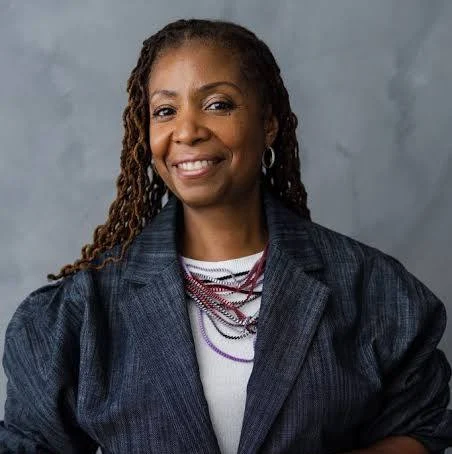
In this week’s episode, Dr. Alison is joined by behavioral scientist and Columbia University professor Dr. Patricia Hewlin to explore the tension between authenticity and belonging.
Dr. Hewlin’s research on what she calls facades of conformity shows that continually suppressing your values and perspectives in order to fit in can lead to emotional exhaustion and disconnection. But the answer isn’t to swing to the other extreme and insist on expressing every part of yourself in every room.
We were made for community.
And we were also made to become fully ourselves.
The goal isn’t to choose one over the other. It’s learning how to love other people without losing yourself in the process.
In this episode, you’ll learn:
- Why the desire to belong is a healthy human need
- How to tell the difference between wise compromise and self-abandonment
- Why staying quiet isn’t always people-pleasing
- How your core values can guide what you share, when you speak up, and when you flex
- Why “bringing your whole self” doesn’t mean bringing every part of yourself everywhere
- How to navigate relationships or workplaces where being fully yourself may come with a real cost
- What Dr. Hewlin calls the middle self: authenticity with discernment and accountability
- Why true authenticity is inherently relational
More Resources:
Listeners get exclusive access to the first 3 chapters of Dr. Alison’s newest book, The Secure Soul.
Connect further with @dralisoncook on Instagram
📖 Find a full transcript and list of resources from this episode here
Don't forget to browse this week's sponsors, who make it possible for me to bring you these resources for free + provide you with additional discounts!
- Quince - How you dress affects your mood and you can trust that Quince has you covered in every day sustainable wardrobe staples. Go to Quince.com/bestofyou for 365-day returns, plus free shipping on your order!
- AirDoctor - Did you know the quality of oxygen you breathe affects your brain which in turn your thoughts? Eliminate 99.9% contaminants in your home with AirDoctor by visiting AirDoctorPro.com and use promo code BESTOFYOU to get UP TO $300 off today!
- Remi - Start sleeping better with a Remi nightguard and use code BESTOFYOU and get 55% off your purchase. Go to ShopRemi.com/BESTOFYOU and use code BESTOFYOU.
*Some of the links above are Amazon affiliate links. If you choose to purchase through them, I may earn a small commission at no extra cost to you.
While Dr. Cook is a counselor, the content of this podcast and any of the products provided by Dr. Cook are not specific counseling advice nor are they a substitute for individual counseling. The content and products provided on this podcast are for informational purposes only.
TRANSCRIPT
So when people create a facade, they are suppressing their personal values and pretending to go
along with the values of the organization in order to, again, survive,
to succeed, to fit in. It is connected to emotional exhaustion.
It's a bit ironic. In our efforts to fit in, the exhaustion causes us to leave.
This notion of putting on a facade, pretending and suppressing is relevant to so many contexts in
relationships. Whole does not necessarily mean everything. So we can have wholeness and choose
what's most important to us so that we can be effective in the different parts of our lives.
Hey everyone and welcome back to this week's Deep Dive episode of The Best of You.
I love today's conversation. It's right at the alley of this podcast because most of us have had
the experience of walking into a room of people and almost without realizing it,
you start to adjust yourself. I do this all the time and learning to...
This can show up in a lot of different ways. Maybe you hold back when someone asks you about work
or your kids because you don't want to draw attention to yourself. Or maybe you read the room and
realize that everybody around you has a certain set of political views or religious views or views
about the weather. and maybe you don't share those views so you just go quiet or even slide into
maybe a white lie or just sort of a compromised statement because you don't want to risk not
fitting in or being judged by the people around you. Maybe you shift yourself just enough so that
you won't stick out. You modify what you think, what you share, what you say so that you'll be
perceived as more agreeable. Maybe a little less true to your actual self but some part of you
wants to fit in you want to belong And sometimes this might be wise. Sometimes holding back your
honest opinion is being discerning in a moment. Sometimes not sharing all of the details about what
you think about your work or about your viewpoints makes sense. It's wisdom.
There's an art to being social, what we call these social skills in any kind of relationship,
in any kind of room. And we're required to be flexible, to compromise, to read the room and to
consider the needs and opinions and the impact. This isn't all bad.
But at the same time, if we're honest, healthy accommodation can so quickly and so easily become
something else. Maybe you get so good at holding yourself back,
at masking your true opinions, at reading the room, that you actually start to abandon parts of
yourself. And maybe other people know a version of you, but they don't really know what you're
really thinking, what you really care about, what really matters to you. They don't really know
those deeper layers of who you are. And the connection remains somewhat shallow or distant.
And this isn't sustainable over time. On the other hand, there's an opposite extreme that we hear a
lot about in our culture right now. And the idea is that you can never compromise, that you can
never flex, that you have to. be true to every single part of you at every single moment, that your
truth is the most important truth and that if other people can't take any component of who you are,
that's their problem. And that's also not a healthy extreme. It's not a healthy way to show up in
the world and show up in relationships. And this is why I love today's conversation with my guest,
Dr. Patricia Hewlin. Dr. Hewlin has spent more than two decades studying this very tension.
She's an award-winning behavioral scientist and professor at Columbia University, and she's the
author of a brand new book called Staying True. Her research begins with what she calls facades of
conformity. These are the ways we suppress our values and perspectives in order to fit in,
succeed, or maintain a sense of belonging. And her research has found that living behind those
facades for a prolonged amount of time comes at a real cost, including emotional exhaustion,
disengagement, and eventually the desire to leave the very environments we were trying so hard to
stay connected to. love about dr hewlin's work is that she doesn't swing to the other extreme she
isn't telling us to stop caring what anyone thinks or to always bring every single part of
ourselves into every room which isn't always wise according to what you'll hear her talk about
today instead she asks a much more interesting question How do I develop healthy,
wise connections with other people without abandoning myself? Because as you will hear her say in
today's conversation, we were made for two equally important things. One is community with other
people, and one is that we were made to also become fully ourselves. And so the challenge is
learning to hold both of those essential ingredients to what it means to be human, intention.
Dr. Hewlin's new book is all about what she calls the middle self. And we talk about this in
today's conversation, how authenticity goes hand in hand with discernment and accountability and an
awareness that who we are always exists in relationship to other people. I found this conversation
fascinating. It helped me really crack open some things that I struggle with in my own life.
We talk about how to know when compromise is loving versus when it's actually self-abandonment. We
talk about what to do when being your self could genuinely threaten your job or belonging in a
certain group or an important relationship. We talk about why staying quiet is not always people
pleasing and why you don't necessarily owe every part of yourself or every opinion you hold or
every value you have to every person or every space. I found Dr.
Hewlin's new book, Staying True to You, just such a refreshing and insightful take on an age-old
conversation. I think her work gives us a remarkably wise and grounded in research framework for
something so many of us are trying to figure out, which is how do I love other people without
losing myself? Please enjoy my conversation with Dr. Patricia Hewlin.
Dr. Hewlin, I am so honored to have you on the podcast today. Your research is just rocking my
world. These are topics we've talked about on the podcast, but you are so in the real,
real. Thank you so much for being here. It is my pleasure and honor.
Thank you, Allison.
Just when we walk in a room and we start adjusting and we start sort of tweaking who we are,
this idea of authenticity being who you are. You've been studying this for a couple of decades. And
I just kind of want to start right off with the question that I've been wrestling with as I've been
reading about this idea of a facade of conformity that you talk about.
What is that, first of all? What do you mean by that? And what led you to start studying it?
Sure. So I'll start with the second question, because the concept of facades of conformity began
when I was in banking. So before I went into academia, I worked in the corporate arena.
I was the vice president in the banking field. And I discovered,
along with my own experiences, that people were struggling being true to themselves, being true to
their perspectives, and often felt pressured to suppress aspects about themselves in order to
survive and succeed in the workplace. People have questions about, well, will I be treated
differently if I share parts of myself? Will I get promoted if I share a divergent perspective?
And so I decided to go back to get my PhD in organizational behavior and start studying behavioral
science. And that's where I developed this concept of facades of conformity.
And so when people create a facade, they are suppressing their personal values.
and pretending to go along with the values of the organization in order to again survive,
to succeed, to fit in. And when people do that, I have found over 20 years of research that it is
connected to emotional exhaustion. and there are lower levels of work engagement,
and people are less committed to the work. And so it's a bit ironic because when we suppress our
authenticity, it's so emotionally exhausting that we are more likely to try to find different
contexts or lead the organization, for example. And so in our efforts to fit in,
the exhaustion causes us to leave. or at least intend to leave so we do it because as some part of
us thinks it's how we are going to survive and get ahead but paradoxically we're actually
exhausting ourselves exactly and that is the case not only in the workplace so my research began
looking at work environments but in the past five years or so i've been having conversations with
people about relationships personal relationships, spousal relationships,
friendships, even parental relationships in terms of how do we bring our authentic selves in the
context of raising teenagers? How much do we share about our past?
As an example, when do we let go and allow them to learn on their own?
So all of those are values-based. questions. And so this notion of putting on a facade,
pretending and suppressing is relevant to so many contexts and relationships.
It's such, I love that you named that. Why do we, what is the pull?
Because I think on some level, all of us relate to it, especially when you broaden that scope. What
is at the root of putting on a facade? What have you found is the biggest reason?
why we're doing it. Do we feel insecure? Do we feel threatened? Are we just not sure? Do we not
have the skills? What is at the root of it? There are a combination of factors, but at the root is
that we all want to belong. And this is a basic human need.
And somehow we've been trained to believe that wanting to belong and fit in is a bad thing.
However, we were designed for community. And we were also designed for self-actualization,
meaning that we do want to be authentic, but we often don't have the tools to manage the two.
And so the default is, well, I'll just suppress myself and conform because I don't know how to.
do authenticity. And that's what has led me to write more about managing conformity and
authenticity in ways that we protect our well-being. That is so interesting what you just said.
We were designed for community and we were designed for self-actualization.
And as we were talking a little bit before, you we started the interview this is you know primarily
a Christian audience where we we do understand this idea of we were designed for community but we
don't always understand that sometimes almost feeling like it's a competing reality that we were
designed to become our fullest self and those two things it's so interesting just as you said that
I thought they they operate sometimes in tension in a way it seems like 100 percent and we have not
been We haven't been trained. I mean, there haven't been enough conversations about how to manage
the tension. And so in general, when humans, when we experience tension,
we want to rid ourselves from it. And so ridding ourselves from it often means to hide and so to
conform in ways that's not really healthy.
And so I see that's a great way to understand it, that because we're uncomfortable with the
tension, our default is to hide ourselves, accommodate, over conform.
Exactly. Yeah. Yeah. Is that primarily among women or is that across the board?
Well, there has been research that shows that women tend to be more accommodating.
And so with that, the accommodating mindset comes with behaviors to protect harmony and to defer to
others. And so that's something that women should definitely be mindful of.
A lot of it is socialized where we've been trained to do that. And unfortunately,
many, many women have gone to the extreme with it in that they're unable to protect their own sense
of self and their own sense of well-being. And so there is a way that we can be mindful of the
context. And that's really great to have discernment in a way that we know the pulse of the
environment when we walk in. But at the same time, being mindful of what am I bringing in?
How can I contribute? And that's where the authenticity and self-actualization comes into play.
If you've been listening for a while, you know I've been using Remy Night Guards, and I'm genuinely
grateful to have Remy in my routine. I've always been someone who clenches at night, especially
during stressful seasons, and Remy has helped me protect my teeth while I sleep. If you're part of
the roughly 30% of Americans who grind or clench their teeth at night, your smile needs
protection. Remy's custom night guards are clinically tested and FDA cleared to help protect your
teeth from damage caused by grinding, reduce jaw tension and facial muscle strain, and improve
sleep quality. And you get the same professional quality and comfort as a night guard. from the
dentist, but Remy costs about 80% less and it's way more convenient. Here's how it works. Remy
sends an impression kit straight to your door. You follow their step-by-step instructions to get
your impression. Then Remy crafts and ships your custom fit nightguard and you just start wearing
it at night to protect your teeth. And in addition to my Remy nightguards, I recently tried their
ultrasonic cleaner and I love it. It makes keeping my nightguard clean unbelievably easy. Start the
new year right and use code best of you to get 50% off your purchase of a new night guard. That's
50% off at shopremi.com slash best of you with code best of you.
Thank you, Remy, for sponsoring this episode.
That's really good. That's really good. And, you know, I could imagine not to oversimplify,
but even I would imagine there are different types of facades. So even like if a man is socialized
to posture or be grandiose, that's still a facade. It just looks different.
percent there's research i think of dr erin reed and she has talks about men and masculinity and
how they have this pressure to be a man,
you know, in the stereotypical way so that if they show too much of their interests,
for example, in family matters when they're trying to move up in professional ranks,
that could be viewed negatively depending upon that context. So I would love,
Dr. Hewlin, I can already imagine a listener. Every relationship requires some amount of
accommodation to some degree, right? Compromise, right? So how do I distinguish between when I'm
compromising in a healthy way, setting something down because I love this person,
even maybe doing that sacrificially versus when I am abandoning myself,
when I am being inauthentic? I know this is a huge question, but I'm curious how you have
understood that as you've studied this. Sure, sure. It all comes down to values and well-being.
And so I'll start with the well-being component. We can all feel that tug and that tension when we
are not... being true to our perspectives, being true to ourselves.
We need to pay attention to that and ask ourselves, well, what am I experiencing here?
Why am I experiencing this? Is it because I'm afraid or is it because I'm feeling imposed upon such
that I can't be myself? Really being introspective. And that's one thing that I highlight in my
work, that introspection is critical. When I speak about values,
we need to be more intentional about our values. Oftentimes, we will think about values in the
context of... identity. So we have our religion, our culture,
our gender, and so on. However, we have other values that could be related to our work.
Some of us are more self-directed than others, meaning that we really like being autonomous and
working on our own. And so when we don't get that autonomy, we're being imposed upon in that value.
And that could be causing a rub in terms of how we can express ourselves. Some of us are very
achievement focused to the point where it must be excellent. And if you're in an environment where
others are like, well, good enough is good enough, that's going to be a rub as well in terms of
being authentic. And so really broadening what we think about in terms of what's important,
those values that are most important to us, making sure we're bringing them in. And if we feel that
we can't, then we need to step back and evaluate, is this context really for me? Do I need to
change? Do I need to change context? What's happening here? So that that makes I love how you're
naming those things because there's a part of me that's like, oh, I always you do. I do become self
shaming if if I'm different than, you know, others. Right. So I tend to be a very efficient,
fast worker. So I don't I never liked group projects. I never liked working with other people.
And it would sometimes. You know, maybe I was thinking in graduate school, I have friends, you
know, who'd maybe get their feelings hurt, you know, and I was just right. And so it's like, well,
I don't want to be. But you can kind of when when it feels different than the context, you can sort
of feel like what's wrong. Am I being selfish? Am I is there something wrong with me? As opposed to
I kind of hear you saying that self-awareness. This is legitimate, even if it's different.
That's right. It's a different value system. Being self-directed is important to you.
In other words, you thrive when you can be autonomous. There are others who thrive in groups.
Yes. I can relate to you with that. I like my autonomy. Yeah. However,
I do encourage us all to say, well. Maybe in this context,
I can't be fully autonomous in order for the group to move forward.
So I'll pick up maybe another value that is important to me and maybe going back to achievement.
So maybe the excellence. And so I'll push forward that value around excellence and say,
all right, that's my priority. I'll flex a little bit. when it comes to autonomy,
because I can't do it in this context. I love that. So if we think about it as values,
I like what you're saying, because we're not just one value. So maybe in that moment, I'm aware
this is a value, there's nothing wrong with it. And I also have the value of wanting to be
collaborative. I have the value of wanting to the good of the group. And so I can kind of toggle,
but that's very different. And I like how you use the word in, you know, being introspective,
because that is a different motivation, then I'm afraid of not being liked.
So I'll pretend to be something I am not. That's right. And that's where we need to move from that
and be intentional. to just take the time to say,
these are the core values that really drive the way I think,
what makes me excited about the things that I do and life and so on.
And I offer that in my... in my book that's that is out now called um staying true to you and
within that book i literally give opportunities for readers to dig in and to identify values that
are that are core to them and then it's a matter of looking at the values almost like a menu I also
call it almost like a deck of cards. It's like, what's going to be the most important suit in a
given context? What am I picking from this menu that will work best in this women's group versus
working best when I'm with my family, who I see once a year during the holidays?
I love the metaphor, the deck of cards. And again, to everything you're trying to do in the book,
which is just so helpful. I think it's so empowering. I'm playing this card here.
It's my card though. I'm playing it. It's not, and I'm playing it because I care about,
I also value this context. 100%. Yeah. 100%.
I have a story about a mom and her teenage daughter, and they were just going at it.
It just seems like they could never agree upon anything. You know, that age where it's just really,
really tough sometimes. And one thing they did have in common was they were very community focused.
They were very much into social justice and giving back to the community. And so the mom said,
look, I can rally behind this to build a better relationship with my daughter.
We're going to start volunteering together. And that opened a communication line because now they
had a shared value that was exciting. And it created an openness so that the mom could pour into
her other values that would be important for her daughter as she grows up.
I love that. Identifying the shared value then kind of helped the other ones not seem so magnified.
Yeah, yeah. And I think about, I was thinking about 1 Corinthians 9.
22, where the Apostle Paul is talking about being a certain way for certain people.
And in other words, I'm actually going to pick it up because I found it to be really relevant to
what we were talking about. And I'm looking at the New Living Translation.
I'm just taking out a sentence in verse 22, 1 Corinthians 9. And he says,
yes, I try to find common ground with everyone.
And so that principle is a principle that I bring into the book.
So the book is for general readers. But my message around authenticity and conformity is really
about how can we find common ground, particularly now where we are so polarized in so many ways,
we're losing relationships. Where can we find that common ground where we can honor our sense of
integrity and still have peace of mind? It's incredible. And I hadn't thought about that verse in
this context, but you're right. And he's definitely not encouraging us to be people pleasers. It
comes from, and that's why I love your work. It comes from that authentic self. From that authentic
self, how can I find common ground? Absolutely. Absolutely.
And in that scripture, I believe he also says something about, I have the freedom to do this.
And so when we, are concrete about what's important to us and we are thriving in that value or that
set of values that frees us up to empower others and so now the compromise is empowering versus
disempowering because we can't give what we don't have So if we're feeling disempowered and we're
suppressing in ways that is emotionally exhausting, how can we empower the people we love,
the people that we meet from day to day? That's good. So we're kind of touching on this. I really
appreciate that you say, you know, the answer isn't to be sort of the tropes in the culture,
you know, to just do you or just be completely authentic all the time, whatever that actually
means. And how, you know, there's a whole idea of bringing your whole self can actually become a
sort of trap. How have you seen that play out?
You know, sort of we know that that the facade, you know, your research has really lays out how
that's an exhaustion trap. Then you also talk about this idea that,
you know, always bringing your whole self, the answer is to be completely, you know, authentic,
whatever that means all the time is also a form of a trap. It can be. And so when we're conforming
too much, we're emotionally exhausted. When we're bringing our authenticity in a way that takes up
space or too much space or it's toxic. You know,
people say, you know how I am. Everybody knows I'm raw about things. Well,
we can exhaust others with our authenticity. And so that's where the discernment comes in to say,
hmm, how am I coming off here? Why is everyone leaving the room? Why am I the only one that seems
to be talking? So we really have to be mindful of those two extremes.
And I often say we don't want to weaponize our authenticity as well,
where we're saying that, well, I just felt that I had to speak the truth and I had to tell them
this way. Sometimes the truth hurts. That's not helpful.
It's not helpful. And so that's why we have to learn that middle.
How do we thrive in the middle where we can be authentic,
but at the same time being mindful of the context and those who are around us?
So this is this is this term you have, this middle self. Yes.
What do you mean by that? And how might that play out practically? absolutely absolutely so the
middle self is a framework that i developed to describe just what we've been talking about that
we're not conforming to the point where we are emotionally exhausted but we're not authentic to the
point where we're exhausting others we understand we understand that authenticity is relational And
that when we are authentic, we are authentic with other people. And however,
most of us, and particularly in the northern side of the world, we have viewed authenticity as
highly individualistic. Me, myself, and I, those are the only parts that are relevant.
However, authenticity is relational. So once we have that mindset,
then we see the importance of selecting those perspectives and values that will be beneficial to
the context, not just for ourselves, but to empower others to be authentic as well.
That's really what I mean by being in that middle self. That is such a word.
Dr. Hewlin, authenticity is inherently relational. Yeah, what I say and do will have an impact on
you and what you say and do will have an impact on me. We're in this together. And somehow we've
been trained to believe that authenticity is this solo project and it's not.
And so that's foundational to my research now to spread the word about this relational component of
authenticity. We don't compromise to sacrifice ourselves.
We compromise to facilitate community. Yeah.
Yeah. So it's two again, you started off. We are designed for community and we are designed for
self-actualization. And the middle self is sort of how we honor both.
I know who I am, but I value this. So I, I compromise,
which is different than I pretend or. abandon myself exactly it's it's really it's authenticity
with accountability so yeah responsibility to say that i understand that i'm not doing this on my
own and that we have to to live together and so that's that and oh i also wanted to mention this
notion of wholeness whole does not necessarily mean everything Whole can be complete.
So I bring my complete self to work or to whatever that context might be versus I bring my every
part of myself. So we can have wholeness and choose what's most important to us so that we can be
effective in the different parts of our lives.
A lot of us pay attention to what we eat and put on our bodies, but we don't always think about
what we're breathing all day long. Between dust, pet dander, allergens, and wildfire smoke, clean
indoor air really matters. That's why Air Doctor is the air purifier I use in my home.
Its powerful three-stage filtration captures extremely small particles about 100 times smaller
than what typical air purifiers can remove, including dust, pollen, mold spores, pet dander,
wildfire smoke, bacteria, viruses, odor, smoke, ozone, and VOCs. for quiet, and I love that auto
mode continually adjusts to the air quality. It even reminds you when it's time to change the
filter, so there's no guesswork. Air Doctor also won Newsweek's Reader's Choice Award for Best Air
Purifier. Head to airdoctorpro.com and use promo code BESTOVU and get up to $300 off any of their
select Air Doctor models. Plus, you will get a three-year warranty absolutely free. All Air Doctor
air purifiers come with a 30-day money-back guarantee. Get this exclusive podcast-only offer now
at airdoctorpro.com.
So let's say I'm at Thanksgiving dinner with a family member.
And I want to bring my whole self, but I like how you're saying not, it doesn't have to be,
whole self can mean a lot of different things. So I'm at dinner and, you know, one of my relatives
is starting down a, whether religious or political or some sort of.
That internally I'm like, oh, I don't like this. I don't agree with this.
This is hurting, you know, maybe it's not hurting me. Maybe that's a different category, but it's
what's a healthier middle self example there. That's not abandoning myself,
but also maybe not flipping the table of Thanksgiving dinner upside down.
and causing a ruckus that doesn't need to happen. What is a healthy example there?
Well, I love that. I think we can work with this example you just raised, Dr. Cook, regarding
getting together with family, because that's where these issues often come up.
And especially now, it could be political or anything we can imagine that could create some
tension.
Most of us know that these tensions exist. So instead of us jumping into the fire,
let's prepare ourselves and ask, what is most important to me?
Is it important for me to engage in this dialogue?
Because this dialogue is tapping into a very important value.
And if that is important to me, I understand the risk and I'm willing to take them.
Now, we may have another value that is centered around community. And so is my value around
community and family the most important thing to me when I enter that space?
And if that's the case. then maybe you decide I'm not going to engage in that dialogue because I
want to enjoy my family. Now, I'm not saying that it's going to be comfortable, but you will have
peace of mind because you know why you're doing what you're doing. I love that.
You go back to the values. What are my values? And therefore then, oh, that's so good because then
that's the self, actually, that's the self-authenticity piece.
I am doing that. I'm staying quiet because this is a value, right?
Not because I'm afraid or I'm, or I'm speaking up because this is a value,
not because, you know, I'm trying to throw my authenticity in everybody's face and don't care what
any, it's no, this is, this is important. And that's so good because when it's coming from that
values led place, it's, it's going to come out differently because it's going to come from that
true place inside of you.
Absolutely. Absolutely. And with that, that comes the discernment and to say,
well, what type of relationships do them? How are my relationships with them?
Will they respect the authenticity that I bring into the room?
Because if they don't, is it worth it? Is the cost worth it here? Exactly.
Because why do we, you know, I think about casting our pearls before a swine.
Right? So why cast what's important to us with those who are not going to value it?
And again, there's the tension. There's the tension. So we have to. be vigilant in terms of being
introspective so that we know why we're doing what we're doing. It's all about intentionality.
I know a lot of your research has started in the workplace where I think,
and it's true in families and workplaces, it's churches, this is true anywhere, but I hear a lot
from people like, what if a value really does threaten?
my job, threaten my belonging, threaten, you know, sometimes it's very real,
this, this might threaten my ability to belong in this setting. How do you walk people through that
kind of very real, you know, it's not just in my mind, it's not just they might not like me, it's I
may become a target here. Yeah, yeah. I may be kicked out of this,
lose my job, I may be kicked out of this community. Sure, sure. And I think about, you know the the
audience that that we have here of women and over the years sharing how much family has meant to
them could place question marks in terms of their professionalism i've seen situations where a
woman may have had challenges getting care daycare then they have to bring their child in it's
viewed so harshly, but if a man does it, he's seen as, oh, wow, he so cares.
Oh, look.
Right. Exactly. So now things have improved a bit.
There have been some recent studies that show that being a parent can be viewed positively,
but we still have to be careful about those stereotypes regarding women and whether or not family,
quote unquote, is going to be more important. than work and perhaps lose out on opportunities.
And that really requires an introspective conversation to say,
well, what's most important to me at this place? Do I want to withhold talking so much about my
family or do I really want to? And do I want to incorporate my family or my personal life in the
work that I do? And so. it's important to understand that we're not going to be able to change the
context. Some contexts are very toxic and we may not find ourselves being able to discuss family
matters and so on. And so then the question is, well, what can I do differently? And I always say
that the best time to find a job is when you don't need a job. And also to explore relationships
that you currently have, build a network. I talk about building a circle of champions,
people who are mentors, who can guide you into different options if the current context is not
toxic, is toxic. The other thing to think about is that, hey,
we need our jobs. And so security in terms of finances,
that's of value. Yes, absolutely. And so it could be that in this season,
we lean into the fact that I need this job. I need to figure out how I'm going to navigate this
environment until I can find a better one for me. I'm so glad you mentioned that because that's a
conversation I've had with so many people kind of offline where they'll say, I felt so much shame
that I stayed in this situation, but I needed the money. Or I had another one I'll hear is I had a
lot invested in, you know, sort of like, let's say toxic church communities. I had a lot invested.
in the people i couldn't just walk away and there's a lot of self-shame of you know if i should
have just you know left i should have just you know flipped and it was there's it's complicated and
i i love how you're saying there there is a value there underneath in in whether it's financial
security or it's that that is valid that is valid that is authentic exactly exactly and we can have
competing values where we say wow My care for my family or my care for this political identity,
that could even be a problem. There are some organizations that have a clear identity around
politics, although that's not what should be done. But you can find,
I've interviewed people, hundreds of people, and they would say, well, when I don't share that
value system, I feel pressured to put on a facade. And so there are a number of factors that can
play a role where we feel that we can't be true to our values. However,
it is a job and we need that security. And so my recommendation is don't look at the job as your
end all to satisfy your values. We assume that the workplace is supposed to be the place where
we're supposed to be able to bring it all in. And that's a very tall order of expectations.
And it takes, you know, organizations are rigid. It takes a very, very,
it takes a long time or a dramatic transformational effort for cultures to change.
And so what are we going to do? Are we going to say, well, this is this environment, I'm unhappy
and so on. Understand the environment. Understand what values are driving you to stay.
Get your exit strategy if that's what you need to do. And make sure that you have other outlets
where you can truly be. authentic to your values. That's such a good point. It's sort of a right
sizing of expectations. Yeah. And I think even you brought up that example, it's certainly true of
work. You brought up that example of parenting teenagers and like how there are certain things
about ourselves we may not fully disclose, you know, at certain points, which we need to have
places where we can, because we're honoring what I can expect of this relationship.
That's right. I wonder one other question on that. When you talked about that facade because of
fear, I wonder with the advent of social media, I think there's a lot of suppressing out of like,
I don't want to get labeled in a certain way. Because sometimes when I look online, I'm like, I
just, I bet there's so many more richer conversations going on behind the scenes. So many
conversations that are so much more nuanced that folks are almost afraid to have publicly because
of the public, you know, kind of polarizations and camps and blaming.
Right. And, and, and, and, and I have so much richer conversations with my friends offline. About
some of these topics that I'd ever be comfortable having online because of that. Does that make
sense? And I can feel like you're being a facade, but it's like, it's just, I don't, I can't have
some of these conversations publicly right now because of the cost. I don't have the. mental health
bandwidth to field a bunch of angry people on social media. I have to have those conversations
privately. I'm kind of thinking out loud. Sure, and that's where you can really build a sense of
intimacy with your friends, family. And I'm not talking about people who necessarily share the
perspectives you share. I would say that we can grow more when we learn from others who have
different perspectives and values. And that type of dialogue is very difficult to do via social
media. and i i don't recommend it and frankly there are more conversations about what i've been
calling a facade of authenticity meaning that on social media people are trying to convey this
authentic persona but it's fake
Because there's this image that we have to uphold. We have to be very mindful of that.
And now that you've mentioned that, I'm going back to children and parenting. There are studies
that have shown that the more time young people are spending on social media,
the less authentic they say that they feel about themselves.
And so social media, screen time, that will have an impact on their own sense of self.
Yeah. We have to really be careful with that. Social media is a wonderful tool,
but it's not the end of all when it comes to developing ourselves and sharing perspectives.
Yeah. There's such a pull to conform. There's such a cost to not conforming.
Yeah. And I love what you're saying. There's, I think we're hungry right now for, oh man,
that, that relational component of authenticity. I think we're so hungry for authentic dialogue
between people who differ. Right. Right. It doesn't, it, it, that's actually where the,
the, that's what we're missing in a way. Yes. Yeah.
Where there's two authentic people coming together, having an authentic disagreement in a way that
is. honoring of, and, and I, that it seems so hard to find that publicly, but,
but then I do think so many of us are having finding that privately, which gives me hope.
Um, but all the more to the point of, I, I'm so grateful for your work. Cause I think there is such
a hunger for that true, what we really mean by that relational authenticity.
So powerful. Thank you. Thank you. I was driven to write the book because I have talked to so many
people. And in my research, I've just found that so many people are burned out because they are
unclear on how to be authentic and how to do it well. And so I'm expecting that a lot of people
will benefit from this conversation. There are a dearth of resources on it,
and yours is one of the best. What is one thing as we close, as you wrote the book, that surprised
you, that just kind of made you go, oh, you know,
step back a little bit, even though you've been researching this for a long time? Yes, yes. And so
as a behavioral scientist who has been digging into the science of it all,
I wanted to talk about research findings and to connect them to our day-to-day lives,
which I've done. But I was surprised by how much I talk about myself in the book as well.
I try to be agnostic a bit and not bringing myself in.
In my research community, we call it me-search. We don't want it to be me-search.
But I had some stories that were relevant. And I was surprised by even I had a traumatic incident
when I was a child that was really very relevant to the book. I would not have ever anticipated
writing about that. And so I'm really grateful that I was able to bring some of myself into the
book, some of my family history. And so I'm grateful for that opportunity.
Yeah. And it shows because it brings that. And I know what you're saying as a researcher,
you kind of feel like you're supposed to keep yourself out of it. But actually, it actually made
the book more. kind of feel more authentic for lack of a better word right because it's it's real
it's your real hard-earned wisdom in your own life experience thank you thank you yeah and we have
yeah Thank you. We have so much more in common than not. And this, the notion of authenticity and
conformity, it's really, it's a human condition. It shows up in different ways based upon our own
context and in our cultures and so on. However,
when it comes down to it, as we mentioned earlier, we all want to belong. We all want community and
we all want to self-actualize. And so how do we do it in a way that we can, can live together a
little bit more it's just beautiful tell my listeners where they can find the book and more of your
work sure sure so it's called staying true to you and so this is actually the soft cover,
the hard cover is out and you can find it on Amazon or other places,
Barnes and Nobles, really anywhere where you like to buy books. You can find me on my website,
patriciahuland.com. I'm also on LinkedIn as well as Instagram.
Trying out TikTok, interesting space. You can find me there,
but.
Testing out my authenticity and all of those areas. That would be a great research project to do a
deep dive on how authenticity shows up on TikTok. Yes. Thank you so much,
Dr. Cook. This has been such a pleasure. Thanks for having me. You're a gem and it's a fantastic
book. We'll link to all of this. in the show notes. I can't recommend it enough,
as I keep saying, but I just think it's so rare to find work that honors that both and.
We want to belong and we want to self-actualize and both are genuine and both are real, both are
God-made and we don't need to be ashamed of either one and you're helping us.
You know, find that middle self, that way that honors the both and. And I think,
you know, I'm just thinking as we're talking, this really is, you know, Jesus says, love others as
yourself. Right. That's that. There's the both and right there. That's what we're trying to
accomplish. Exactly. We got to love ourselves first in order to effectively love others.
Yeah. Thank you for your work. Yeah. Yep. And we do that with the work. Yeah.
Yeah. Thank you. Amen. Thank you for joining me for this week's episode of The Best of You.
It would mean so much if you take a moment to subscribe. You can go to Apple, Spotify, YouTube, or
wherever you listen to or watch podcasts and click the plus or follow button. That'll ensure you
don't miss an episode and it helps get the word out to others. While you're there, I'd love it if
you leave a five-star review. Join us each weekday for the best of you every day, a brief daily
reflection to help you start your mornings with a steady dose of wisdom. Remember, as you become
the best of who you are, you honor God, you heal others, and you stay true to your God-given self.

You love your kids. You’re grateful for your family.
And sometimes you still feel resentful.
You may feel frustrated by how much is asked of you, lonely in the load you’re carrying, jealous of the moms who seem to have it easier, or ashamed that motherhood doesn’t always feel the way you thought it would.
In this week’s episode, Dr. Alison is joined by longtime friends and authors Kathy Tuan-MacLean and Tara Edelschick for an honest conversation about the complicated emotions moms are often afraid to admit out loud. Drawing from their research with more than 700 women, they explore why shame and resentment thrive in isolation—and what can happen when we finally bring those feelings into the light.
You’ll learn:
- Why motherhood can become fertile ground for comparison and shame
- What resentment is really telling you
- How to discern between something that is simply hard and something that genuinely needs to change
- Why resentment doesn’t always mean someone has done something wrong
- How shame and resentment can isolate you from yourself, others, and God
- What Martha’s story teaches us about bringing resentment honestly to Jesus
- How acceptance, surrender, and safe community can help loosen resentment’s grip
- A simple breath prayer for the moments you feel unseen or overwhelmed
More Resources:
Connect with Kathy and Tara here.
Read Moms on the Way: Following Jesus Through the Challenges of Motherhood here.
With every purchase of Dr. Alison’s newest book, The Secure Soul, you’ll get exclusive access to her Soul Tending Video Library, including “Boundaries for the Deeply Feeling Woman” and her masterclass “Healing the Wounds That Still Shape You.”
Connect further with @dralisoncook on Instagram
📖 Find a full transcript and list of resources from this episode here
Don't forget to browse this week's sponsors, who make it possible for me to bring you these resources for free + provide you with additional discounts!
- Quince - How you dress affects your mood and you can trust that Quince has you covered in every day sustainable wardrobe staples. Go to Quince.com/bestofyou for 365-day returns, plus free shipping on your order!
- Aqua Tru - Join 98% of customers who have made their drinking water cleaner, safer, & healthier by visiting AquaTru.com and use promo code BESTOFYOU to get 20% off today!
*Some of the links above are Amazon affiliate links. If you choose to purchase through them, I may earn a small commission at no extra cost to you.
While Dr. Cook is a counselor, the content of this podcast and any of the products provided by Dr. Cook are not specific counseling advice nor are they a substitute for individual counseling. The content and products provided on this podcast are for informational purposes only.
TRANSCRIPT
Anything that we care about deeply as women, Satan uses it and goes, here you go,
you suck. With moms, we are extra vulnerable. It's where the enemy wants to attack because it's
where we care the most and where we feel the most responsible. And so, of course, a message that
you're failing, you're terrible, you're not measuring up, you could do more. Everything can feel so
heavy and the pressure to say it's awesome. So much of it's not awesome.
We don't tell the truth of that enough because then not only does Satan say you suck, he says
you're the only one who sucks like this. You know this from shame, right? That shame isolates. And
so the first step in breaking that shame, she goes to Jesus and she says, don't you care?
Jesus invites us to have an honest conversation with him.
Hey everyone, and welcome back to this week's Deep Dive episode of The Best of You. We are
officially heading into fall, and I don't know what this season feels like in your house,
but for so many moms and women that I talk to, September can conjure up a lot of different...
School is back. And for many of you, activities are ramping up. The calendar starts filling.
There are forms to sign and lunches to pack. There are appointments to remember. Or for some of
you, now your kids are being launched off to college or off on their own adventures as young
adults. And it brings up a whole different set of emotions as you face the fall.
underneath a lot of this activity, there can be another layer that we don't talk about quite as
much. You love your kids. You love your family. You are profoundly grateful for them.
And the truth is, sometimes you may still resent how much is asked of you.
Sometimes your feelings are complicated. Maybe you're frustrated by the fact that your child is
struggling when everybody else's child seems to be doing fine and you don't know what to do with
those feelings. Maybe you're sad or lonely that your adult children aren't reaching out to you as
often as you wished they would. Maybe you feel resentful of a spouse because somehow you're both
living in the same house, but you feel like you're carrying more of the load. Maybe you secretly
compare yourself with the other moms who seem to have figured out some secret formula that
apparently nobody maybe seemed to have given to you. And then almost imperceptibly,
the minute one of those more complicated emotions surfaces, another voice kicks in.
What kind of mom feels this way? I shouldn't feel resentful.
I shouldn't feel frustrated. I should be more grateful. I love my family.
way. And now we've moved into shame. And this is what I loved about my conversation today with my
friends, Kathy Twan McLean and Tara Edelcheck. They have spent years listening carefully to moms.
In fact, the work behind their books grew out of a survey of more than 700 women. And one of the
most striking things they heard was essentially, no one asks us about these feelings,
these feelings I don't feel like I should be having. Women consistently told them that they feel
unseen in their experiences raising children and that they felt shame talking about certain
emotions and that no one had ever given them a safe space to talk about how complicated motherhood
can be at times. And I love that Kathy and Tara are naming this and bringing this conversation to
us because the thing about difficult emotions is that they tend to grow more powerful when they're
kept secret. When we don't know what to do. With these complicated feelings, we tend to turn them
against ourselves and it becomes shame. And shame is isolating. It keeps us from healthy
connections with other people. Or these feelings can also turn into resentment.
We begin to quietly resent the very people that we love,
leading us even further into isolation. And the truth is,
sometimes life is just simply not what we wish it would have been. And so very often we're tired
and we're vulnerable to some of these painful emotions. One of my favorite moments in today's
conversation is when Tara describes resentment as this complicated tangle of thoughts and emotions
rooted in the feeling that something is not as it should be, and I don't like how it is.
And sometimes what's not as it should be isn't anybody's fault. It's just hard.
And sometimes the thing that is not as it should be is genuinely not fair. Maybe I'm genuinely
being hurt. Someone genuinely needs to change. And the reality is trying to discern the difference,
right, between something that just is hard and nobody's fault and just life being the way life is
in this moment. needs to change requires discernment.
Learning to tell the difference can be hard. And what I appreciate about Kathy and Tara is that
they don't give us a simplistic answer. Instead, they help us ask a more compassionate and
spiritually alive question. What do I do with these feelings now that they're here?
How do I bring these feelings into the light? How do I listen for what might genuinely need to
change? And how do I grieve in community with safe people what cannot be changed?
And above all, how do I turn toward the one who always sees me, no matter what I'm feeling?
And that's where we're headed. Today, my guests, Kathy Tawan-McLean and Tara Edelczyk,
have been close friends and writing partners for years. Kathy serves as the National Director of
Faculty Ministry for InterVarsity Christian Fellowship. She has spent more than three decades
working with students and faculty in Bible study, spiritual formation, and leadership development.
She's also a spiritual director and the mother of three adult children. Tara is a teacher and
writer who has spent three decades teaching everywhere from public high schools to Harvard's
Graduate School of Education to homeschool communities and incarcerated men. She is also a mother
of three and now a grandmother. Together, they are the authors of Moms at the Well and their brand
new seven-week Bible study experience. It's called Moms on the Way, Following Jesus Through the
Challenges of Motherhood. Their new study explores some of the experiences moms often have the
hardest time admitting out loud, including loneliness, shame. resentment,
scarcity, vulnerability, and even bitterness. I love Kathy and Tara, not just because they're dear
friends, and I've actually lived some life with them and seen how they are as moms, as friends,
as community members, but also just because they are so real. They're real,
they're honest, they've researched things, so they have a lot of wisdom, but everything they say
comes out of the reality of their own lives. You can find them along with tons of resources they've
created, prayers, practices. and information over at their website. It's called Welcome, Jesus,
Welcome. This conversation is warm. It's honest. It's funny. It's freeing.
And it really met me and touched me in a place where I needed to be reminded that Jesus always sees
me no matter what I'm feeling. So whether you're in the... of raising little kids,
whether you're parenting teenagers, launching young adults, or maybe an empty nest, or just
carrying complicated feelings about loving people deeply in a life that does not always go the way
we hoped. I know there's something for you in today's conversation. Please enjoy my conversation
with Kathy Tuan McLean and Tara Edelczyk.
So we're here at the beginning of fall. And it feels like the beginning of fall often marks this
new season for moms, whether kids are starting a new year at school, whether like you guys.
There are no kids left anymore to send off because they're already launched.
It always feels like there's a lot. What are you guys hearing underneath the surface from moms as
you're talking to them? What are you feeling as moms this September?
I now have grandkids. So my oldest grandkid is starting kindergarten. And my daughter,
who has three, five and under. is completely overwhelmed.
She works full time. Her husband works full time at night because he manages a restaurant.
And she just feels like, I don't have a minute. I can't get it all done.
How am I going to get these kids to three different places all before I get to work with teeth
brushed and lunches packed and forms signed? And it's just,
I mean, I, And sometimes I try not to listen to her a little bit because I'm like, oh,
I remember that. It's overwhelming. Yeah, it's kind of like, how did I survive that? You do survive
it. How did I survive that? But you do. You absolutely do. I know. You absolutely do. But in the
moment, it's like, what? We have to do this for how many more years? Yeah, being a working mom
especially. My kids, even though they're all grown, they love to razz me.
In fact, they just were during our... family vacation, on how they had to walk themselves to
school. And I did not walk them to school. Literally, their elementary school was one block from
our house. And there was a crossing guard at the street that you had to walk,
you know, across. So I was like, you were always 100% safe.
But it was just so not done in our community.
Right. That you would allow your kids to walk that. It was actually two blocks because they had to
walk the block up to the corner, take a left and then walk across the street. So but they were
like, but we were so different and we were so out of it. And I just basically needed to get them
out the door so I could get out the door and face Boston traffic. It was reality. Yeah. It's just a
real estate. Isn't that wild? So I was just thinking, because now that we're back in the town in
which I grew up, I walked by myself to kindergarten. My sister walked with me to kindergarten
almost a mile. I'm not kidding. Almost a mile. I was like, this was a long walk to do as a little
six-year-old kid by yourself. And sometimes people would come along and offer you a ride home.
And if it was snowy, I'd take it. It was just a different time back in the 80s than to your point
now. And I'm not saying that's bad or good. It's just that the pressures on parents are different.
They've always been real, but just different generational pressures.
And I love that. It made your kids feel different, even though meaningfully there was no real cost
to them. It just made them feel different with their peers. Yeah. I want you to speak for a second
to the mom who is listening kind of. Listening to us describe this thinking, everybody else is
handling this better than I am, right? Because I'm hearing you, Kathy, like your kids are razzing
you. I don't know how you felt about it back then. You know, Tara, you're saying, how did I
survive? Like, there can be shame in that. There can be like, I'm the worst mom in the world in
that. Why does motherhood kind of so easily become this breeding ground for comparison and shame
and everyone else's handle? it better than I am. Everyone else is making better decisions than I
am. Well, it seems like one, we're women. And there's something about women that it seems like the
comparison piece is huge, right? No matter what. In our first book,
we actually have a whole chapter on that. And I think when it comes to our kids,
who are the dearest, you know, what we care about and love more than anything.
And our investment and time in them is a huge, huge part of our lives.
The sense of wanting to do it well and then looking around and comparing yourself,
I think, is human. But I do think that part of the thing that has been my huge aha,
even as we've been writing this book, was around shame and around how there's actually a spiritual
battle happening.
Because I think my big giant aha as a Chinese American is I spent most of my adulthood wondering
what does healthy shame look like? Because we would often talk about toxic versus healthy shame.
And I'm like, I know toxic shame. I grew up in a very driven Chinese American family,
so I know toxic shame. And I know that because my culture growing up was like that too.
But what does healthy shame look like? And actually, the big aha for me reading Kurt Thompson's
book, The Soul of Shame, was there is no healthy shame. It's actually the enemy's favorite weapon.
And so I think that with moms, we are extra vulnerable. It's where the enemy wants to attack
because it's where we care the most and where we feel the most responsible.
And so, of course, a message that you're failing. You're terrible. You're not measuring up.
You could do more. You could do less. Yes.
A pastor once, a female pastor who said, the enemy hates women.
Satan hates women. Of course, Satan hates everyone. But she helped us tune into the particularity
of the ways Satan hates women. the particular ways that we are women, what we care about deeply and
most. And so for most of us who have children, that is children. And so he's going to come hard at
that. But it can be anything that we care about as women, nurturing healthy work environments,
taking care of our families and taking care of our parents in good ways, being a good sibling,
being a good wife, anything that we care about deeply as women. Satan uses it and goes,
here you go. You suck. You suck. And then you add and we hear it,
right? Just loud, loud, loud, loud, loud. And it is so heavy. And then when you add,
because you talked about comparison, there's a million TikToks that say how to have a peaceful
morning getting out of the house, how to get your kids to eat vegetables, how to stop the tantrum
in three easy steps. God forbid you turn one of those on and try them.
Of course, they don't work. Humans are messy and kids are difficult and we fail.
Right. We do fail. And so there's just if you're on the Internet and everybody's got the cute
picture of, you know, third grade and everybody's really well dressed and everything.
And then meanwhile, you were crying. trying to get that picture because your kid is mad because
your kid's on the spectrum and they hate having their picture taken and the the itchy shirt you
picked for first day is itchy and for whatever reason right everything can feel so heavy and the
pressure to say it's awesome it's really yeah but it's So much of it's not awesome.
So much. There's plenty that's awesome. I'm not saying that there isn't, but so much of it is not
awesome. And we don't tell the truth of that enough because then not only does Satan say you suck,
he says, you're the only one who sucks like this. Yeah. You're the only one. You're a bad mom.
You should be loving. It's so true. The stakes are so high with our kids. We care so much.
So we're so vulnerable. They're so vulnerable. There's so much pressure. And then meanwhile, it's a
really hard job. It's that and that is what creates. It's really hard.
There's a lot of the job that we don't love that isn't, like you said, awesome. And in that gap,
there's a lot of vulnerability to shame. I think that's really helpful to just name that and just
say it out loud like you're saying. Tell the truth about it. What have you heard? You guys have
researched over 700 women. I remember when you first started talking to women about this years ago,
kind of as the seeds of your work was being formed. Again, what are some of the things that...
women are, are sharing with you when you, when you ask them to be honest, when you, when you ask
them these questions and give them a moment to be honest is, you know, what are some of the things
that have stood out to you, um, that surprised you that, um,
maybe didn't surprise you, but just heard more of like, even yourself as moms, like, Oh, other,
other moms are, we're feeling this too. I might have shared this story with you before, but I think
it's really important. We asked. Many, many questions in many different ways.
We have a lot of data that's really interesting. But at the end of the survey, we said, hey,
do you want to tell us anything else? So that's where you find a lot of nuggets. And what we found
in that question that surprised us the most was the number of women who said, your survey made me
cry. Because nobody asks about being a foster mom. Or a step-parent or a grandparent raising kids.
No one asks about my children who've died. No one asks about how hard this is,
how angry I am, how resentful I am. No one asks these questions.
We're not allowed to talk about these things. I feel like I'm the only one in my church whose
kids... are not identifying with their birth gender. And it's too shameful that we're not allowed
to talk about it at my church. I mean, just the stories that came out, the, I feel unseen.
I feel like I'm the only one. And we're not allowed to talk about this, especially at church.
Well, you tapped into something just really powerful again, just again, given that safe place.
I love that you're doing that. I was struck that in this book, you devoted a whole chapter to
resentment. Mm hmm. I thought that was because what an emotion that I think is so real and so many
of us feel but do not wish to talk about. I mean, who wants to go, you know, talk about the
resentments? Tell tell us a little bit about how that came up, how.
You know, what what what do you want women to know who are listening about resentment,
about how common it is and about how to deal with it when we notice it and and what we should be
doing with it? Because I think what we typically do is I shouldn't feel that way. You know, I
shouldn't feel that I'm a bad person. Slap it down. But it's there. It lurks in the corners.
So here's the hilarious thing about resentment. We knew we wanted to study Martha in the story of
Jesus coming to Martha's house. And we were writing it with the idea that it was about
responsibility and the burden of responsibility. And so we had actually done three full drafts of
the chapter when Tara calls me on a Saturday morning and says, you're going to kill me.
I'm like, what? She says, I don't think our chapter is on responsibility.
I think it's on resentment. And I thought, and I'm thinking, oh my gosh,
three chapters. I mean, three drafts that we've already done. But I thought about it for a minute
and then I said, you're exactly right. It's about resentment. But then the next thought was,
okay, if it's about resentment, what is resentment and what are we supposed to do about it?
And that was crazy because I have been in ministry now for 36 years working with college students
and graduate students and faculty. And I realized that I have never heard a sermon.
I've never read a book. I actually, I'm a spiritual director. And I have never thought about what
are you supposed to do about resentment? Partly because I know what to do when we need to forgive
someone. Right. And how key forgiveness is in our spiritual development information. But often when
we feel resentful, the other person didn't necessarily sin. Exactly. And when it comes to your
kids, you know, the kid who won't sleep through the night, who won't poop in the potty,
who won't get out of bed because they're too depressed. Like there are so many things happening
with our kids that we can deeply, deeply resent. But it isn't their fault.
And so then is forgiveness the right? Yeah. It was really challenging.
We really had to figure it out. Yeah. It reminds me when you're saying that a little bit, I think
resentment is a cousin of what the Gottmans talk about is contempt. Yes.
Which is the number one defining factor when you start to feel contempt toward a spouse, which I
think is probably the road. Resentment is a slippery. And that's because, to your point,
Kathy, that this other person may not be doing anything wrong. They may just be being themselves in
a way that gets, you know, so frustrating to you that that resentment builds and then it can become
contempt, which is really destructive. At the same time, resentment is real because these things
are frustrating. So what did you find as you dug into this?
I think it's a really powerful naming. We do have some steps about what to do when you're
resentful. Offer some freedom because resentment is very binding. It's like you're caught when
you're in resentment. And it has a grip on you and it's hard to let go. So we do have some steps
that allow you to release a little bit and feel a little freedom. And we start with that very short
story in Luke, right, that Kathy mentioned, where Martha's making dinner and Mary's sitting down
listening to Jesus with everybody else. And Martha's like, What in the world?
You know, what are you doing? Why are you allowing this? Don't you care? Don't you care?
Somebody needs to get up and help me. And so, you know, people write about Mary in some condemning
ways and that Martha is so wonderful because she does the right thing and she sits at Jesus. And
that's that's not a helpful take. I don't think it's the right take. Yeah. Somebody has to make
dinner. But in the midst of that dinner, she's feeling really resentful and she does this awesome
thing. She goes to Jesus and she says, don't you care?
So that's. Step one in all transformation. You gotta,
if you go to, I mean, you know this from shame, right? That shame isolates.
And all these hard emotions that we feel ashamed of, that's what they want to do. They want to
isolate us. And so the first step in breaking that shame and whatever emotion is causing the shame,
whatever, is to break the isolation. So with Jesus and ideally with someone else, with a trusted
friend. And so or a group or whatever. So that's that's step one.
We can go through all the steps if you want. But don't you care is a really good question.
Like and then make a long list. Don't you care that nobody will pick up their socks that I work all
day and then I have to do that? Don't you care that I'm home alone all day? And then my husband
acts like. he needs to rest but i don't like don't you i mean we could the the list of resentments
as long don't you care that all the other moms seem to be going out for coffee and they never
invite me and like and i feel resentful like i'm busting my hump to try to connect with these women
like So it's just a really good first step. I love that. I love that.
She went straight to Jesus with it. And it brings it into the light. Because also resentment can't,
it's shadowy. It doesn't always feel like resentment. I know in my own life, every once in a while,
I've started to see more and more of its iterations, such as pettiness, a little bit of a ha-ha
-ha. And I'm like... you notice it and then you speak it out loud, you're like, oh,
why did I just... You become more aware of just its little,
many little tentacles. So now I want to know what the second step is.
Well, actually... actually the second step, because the first step is that God always meets us
where we are. And Jesus came to Martha's house, right? So the first step is that Jesus is there.
He's come to our house. Second step that we talk about in our five steps of spiritual
transformation is that we need to have an honest conversation. Jesus invites us to have an honest
conversation with him. But the third step is to trust and obey. And this is my aha from...
chapter, which was, you know how we always hear, we see that Jesus is Martha,
Martha. And we often think about that with Jesus rolling his eyes,
deep sigh, Martha, Martha. Well, if you actually look at scripture,
there are only four people in the Old Testament who God ever calls by the double name.
So Abraham, Moses. Samuel and someone else in Terrell, look it up. And then there's only three
people in the New Testament that ever get called this. And so it's Paul and Martha and now I'm
forgetting the third one too. But the point being, Martha is the only woman.
So in all of scripture, Martha is the only woman who's ever called by the double name.
And in all the cases in the Old Testament, the response, that the person being called is basically,
here I am, your servant is listening. Interesting. And so when we think about resentment and how
Jesus says to each of us, Allison, Allison, Tara, Tara, Kathy,
Kathy. It's tender. Right? The invitation isn't rolling the eyes and exasperation.
It's God calling. It's actually an honoring. Like these are the greats who all got.
called the double name, right? And, oh, Peter, Peter is the New Testament,
I just remembered. And the, yeah, so it's the greats, it's the great men of scripture who God calls
by the double name. And Jesus says this to Martha. And the invitation for her and for us is what
these men said, which is, here I am, your servant is listening. That's beautiful.
It's tender. It's so interesting talking to you. As we're talking about resentment, because it
really is, I always think about the human condition kind of boils down to the wrong ways that we
handle things are shame or blame. If you look back to the garden, right, we either shame ourselves
or blame others. Resentment's that cousin of blame. And that's why it's so insidious and close to
that, because it's destructive of others, our relationship with others. Shame is destructive of our
relationship with ourselves. But it's so interesting because. the the response they're both so
insidious right because you can feel so entitled to your resentments too and especially as a woman
my husband and i often talk a lot about we kind of have this guiding moniker of like make no one
pay including yourself right make no one pay like make make don't harbor those resentments to make
someone else pay and sometimes this is overly simplified i think Maybe that kind of anger comes out
more overtly in men and women. We tend to make ourselves pay. That's the shame,
right? I'm the worst. But that resentment is, I think, at least we have that.
It's there, too. And it's a little bit of that.
energy of like it's other directed and it's not right that we want to harbor right because it's not
that overt anger that kind of gets things out in the open it's that in the shadows harboring that's
so dangerous you know i saw it in the counseling office you know you see it when someone's
harboring that resentment against a spouse or a friend it's just like oh that's a slippery slope
man don't hang on to that but it in that sense it does remind me of shame and its destructiveness
it's just it's It's sent out to others. You know, I think they're both really insidious in their
destructiveness. So it's interesting that we started with shame. And now as we're talking about
resentment, Kathy, that Jesus, both of them, the response is ironically,
because they're so destructive, is tenderness. is I see it. I see it.
Not shame. God didn't shame her for that, right? Which would be piling on more,
you know, now I've just got more to resent. Now I got to resent God because, you know, it's that, I
see it. It's that connection, you know, to quote Kurtz, you know, it's bringing it into the light
and loving presence. And even as friends, like if we share. shame with one another were pretty good
but if what if I shared a resentment with a friend you know would my friend shame me or would my
friend say that's you know kind of that tenderness I'm kind of thinking out out loud here but I'm
struck with the similarities oh they're they're very close and we even write a definition of
resentment because we don't talk about so we don't even know what it is and partially why it's hard
to do it is that it's this tangle of emotions and thoughts and some of the thoughts that are a
little that are unique to to resentment that something is not as it should be and i'm not okay with
it so and and sometimes that's okay like i shouldn't have to do all the laundry necessarily some
right that's true it's not okay sometimes as kathy's saying it's um there is no shouldn't like A
baby shouldn't sleep through the night.
But it's not as I want it to be. And this sense that, like, it's not as I think it's not what I
want. And I'm mad about it, even if I don't want to be mad about it. But I'm mad and I'm sorrowful
and I'm jealous. And it's this whole tangle of thoughts like,
this isn't fair.
Everybody else's baby sleeps. This isn't fair. Other people's husbands pick up their socks.
This isn't fair. This isn't the way I want it. Martha's, this isn't fair that everyone else gets to
sit. So there's some sense of that, this thought. And then it has all these other feelings so that
it is very hard to figure out what's going on. Because if someone says,
well, are you mad? You could say, yeah. Well, are you jealous? Yeah. Like it's got a lot of
emotions in it. Tricky. So true. It's tricky. I mean,
I had to read, well, actually I listened to an audio book to Brene Brown's book on emotions where
she has 40 and she describes them all because I saw that resentment was in there and I'm like,
okay, I have to get a handle on this because it's not out there. You can't even find stuff on it.
I mean, we're Googling, we're trying to figure it all out. And she interestingly puts resentment in
the comparison bucket. Because I do think there's maybe with resentment,
especially because and maybe because we started with a burden of responsibility. I think for those
of us, when we feel responsible, the resentment extra comes right because we're trying to get
things done. We're trying to make sure everyone's OK. And the comparison is often with me.
If I'm doing this. So you're and you're not. If I were you,
I would put my socks in the hamper. If I were you, I would load the dishwasher correctly.
It just can go on and on and on.
Interesting. Yeah. And there's a little there's also it's OK. A couple of things you're saying that
I think are really interesting to tease out. There is a fairness thing at the root of it that may
be valid. It's not fair in that sense of,
but what, you know, life isn't fair. Yes. And also there is a feeling here of, man,
this is my reality and I don't like it. I love that. I love that. And it is,
comparison makes sense, right? Because how do we know what reality is? But by comparing. to someone
else. So it is complicated. And that's where I think even as friends, one of the things I love
about the two of you and the work that you're doing, but also in life is it flows out of your own
friendship, right? You've spent years walking together as moms, being friends together as moms.
And I'm thinking that's where as friends, how can we help validate the thing that is hard without
So validating the resentment, right? Because I do think sometimes we can, if we go too quickly to,
well, life's not fair. Well, then I just feel shut down versus, yeah. And I think this is something
I've had to work through in my own life with some, you know, work, you know, people, maybe, you
know, a colleague who gets ahead. Maybe there is something that's not fair, right? There is a lot
in life that isn't fair, that is valid. And also, and that's kind of what I'm wanting to help us
get like. There's a pivot there when we name it, when we take it to Jesus, when we release,
we honor. There is a kernel of, yeah, that's hard in there. I don't like,
and so we're not shaming ourselves because I do think that's, we either, it's like, it's either got
to be resentment towards someone else or I'm a terrible person. It's like, those are our only two
options, right? Versus you guys are teasing this not out of like, yes,
there's something here that is genuinely hard.
you know, my own experience. And also, and you started to say,
maybe this is getting at the next steps, trust and obey, like, right? Like, what does that mean?
And, you know, it is hard. And what's the next part of that sentence?
We trust that Jesus loves us, that he sees us, gets it.
He's not shaming us, but he sees us. And then we have some steps on what it means to release.
And then we accept Jesus's invitation to join the party.
Because so often our resentment, yeah, that's what he does to Martha.
He says, you can choose this. Come sit down. He's always throwing a party.
So we go back to, we also look at the story of the older brother and the younger brother with the
prodigal father, right? There's a lot of resentment from the older brother. I've done everything
I'm supposed to do. This is not fair. There's a lot of resentment there. And the invitation is come
into the party. Come into the party. I'm not asking you to change your thoughts about this.
You might not get there yet. Or ever. I'm not asking you. I'm saying,
I have a party that you're missing because of this. And so we can talk about the party.
That's so good.
Because the resentment isolates. It makes you mad at everybody and you don't want to be around
them. You're standing outside the party saying, why does he get a fatted calf?
I've done everything I'm supposed to do. I'm not going into a party for him. Are you kidding? Yeah.
But he loses so much. I'm not saying, I get his complaint,
right? I get it. But he missed out that you were with the father the whole time.
The party, you missed the party. So you missed the party.
By hanging on to this. Same with Martha. Yeah, that's a good point because Martha,
I thought about it too. Martha could be happily making dinner, enjoying the surroundings while
she's, you know, there's a, I noticed like myself, I kind of enjoy pottering when there's people
around because I feel like there's a posture of, it wasn't what she was doing.
It was how she was relating to what she was doing that was making her miss out on the party.
Yeah, that's a really good.
I've become so much more aware of the things I use every day that can affect my skin and hair, and
one I honestly hadn't thought much about was my shower water. Most shower water contains chlorine,
which can strip the natural oils from your skin and hair and leave your hair feeling dull or
brittle and your skin dry or itchy. That's why I love the AquaTrue Shower. It's a filtered shower
head designed to reduce chlorine, chloramine, and other contaminants right at the shower head. It
uses advanced four-stage filtration, and it also has four different stream settings, so it Feels a
little more like a spa experience than just a regular shower. And I love that it's practical. It's
easy to install. The filter changes, don't require tools, and it comes in four finishes. So it
actually looks beautiful in your bathroom. My friends at AquaTrue are offering 20% off for the
best of you listeners. Go to AquaTrueShower.com and use promo code SHBESTOVU.
That's SHBESTOVU for 20% off the AquaTrue Shower. It also comes with a 30-day money-back
guarantee.
When you think about Martha's culture, which said a woman was not allowed to sit at the foot of the
rabbi,
right? So a woman's job is to do all the hospitality and get it all together and put out the
bedding and make sure there's enough food and make sure guests are welcome. Really,
she's not supposed to be sitting at the foot of the rabbi because in those days they even ate
apart, right, men and women. And so when Jesus says Mary has chosen the better thing,
she's chosen the one thing that's better. Jesus is validating,
right, what Mary has chosen, which is very countercultural across, yeah, really elevating women to
be able to learn and to be part of his. kingdom and part of his followers. And so therefore the
invitation is for Martha to sit down. I mean, she's throwing the party, right? But to sit down at
the party Jesus is throwing. So partly trusting and obeying involves,
although often Tara and I are both hostesses with the mostesses, like we love hosting,
but really Jesus is always the host. And so the invitation.
to join Jesus at whatever party Jesus is throwing in whatever situation.
Oh, that's good. It's very hard, but it's also kind of groundbreaking.
Good. Yes. We call it redeemed hospitality. And luckily, God,
so good. We get a picture of redeemed hospitality when Martha's again hosting Jesus during Holy
Week. And she gets to do it all again. And we get to see exactly what you're saying.
She's still serving. It just feels different. It's a different kind of hospitality.
And it's beautiful. And the resentment just isn't there.
Kathy, I was thinking it'd be really good if you could talk about the release part. Because so
there's like trust that he wants to hear it. He sees you. He gets it. There's this invitation at
the end to accept the invitation to join the party. And in the middle is this release. And Kathy
found. The full serenity prayer, which we are like, how have we not had the whole thing before?
Because the whole thing is the most amazing prayer for when you're feeling resentment.
Can we read it, Allison? Do we have time to read it? Yeah, I'd love that. Yes,
I'd love it. And so maybe a little context is... I think that when we're thinking about spiritual
transformation, which is what we write about in both of our books, you cannot have spiritual
transformation without working around the spiritual disciplines of indifference and detachment.
The idea being that we're 100% attached to God and we loosen our attachments and God orders our
attachments to everything else, including our children and our friends and our spouses.
everything, our careers. And so the serenity prayer is really a detachment prayer.
So do you want me to read it? I'd love it. God, grant me the serenity to accept the things I cannot
change, the courage to change the things I can, and the wisdom to know the difference.
Living one day at a time, enjoying one moment at a time, accepting hardship as the pathway to
peace. taking as Jesus did the sinful world as it is,
not as I would have it, trusting that you will make all things right if I surrender to your will,
so that I may be reasonably happy in this life and supremely happy with you forever in the next.
Amen. It's beautiful. Isn't that amazing? Yeah. Yeah.
Taking as Jesus did this sinful world as it is,
not as I would have it. Because who could have been more resentful than Jesus?
He had every reason to walk around resentful all the time. All the time.
He had every right to be resentful all the time. But somehow he was able to take this sinful world
as it is. It doesn't mean we bless sin.
Or condone sin. It just means that we can take it as it is. And so that we may be reasonably happy
in this life. Reasonably happy. Yeah, there is that. It is that letting go.
And also that first line that helped me to change what I can. Right? So it's not passivity.
It's release what I can't control. And focus on what I can.
Yeah. Yeah, I just think, you know, what we really for young moms,
the mother load of resentment is when your baby won't sleep and how there is nothing you can do to
control that in the first five months because you aren't even able to sleep train them. Right.
But once you sleep train them, you can try. But you cannot control whether it will work.
And we have friends for whom it didn't work and who went to all the experts and it didn't work.
And so, and, you know, especially when you're sleep deprived, it's so easy to get more and more
resentful. And so this idea of, yeah, we live in a broken world and our precious baby who won't
sleep is part of it. And it's not their fault. So is my dyslexic son.
It's hard. Yeah. It's painful. It requires. And I do think there's that.
This is the heart of surrender, which is the prayer. I mean, it is the heart of the gospel, the
process of sanctification, to your point. Like, and it is the shame and resentment. It's like, it's
so tempting. It's such a quick, like, kind of. quick feeling of,
you know, I think we get something from it initially. Um, and it is not the way it is not the way
it is just not the way. And, and, and just so, and I, even as you're saying that it strikes me,
there's a grief that's more. A life-giving, and it's just like, this is hard.
There's a picking up the phone and crying. I don't like this, you know, which is connection versus
that inner simmering that doesn't, it does not lead to life. There's a crying out to God,
you know, all of those things lead to connection.
versus that just hanging on. You know, I always picture it as like a little part of me, like the
Grinch, you know, and the Grinch that wants to just hang on to those little bits of, you know,
that can kind of feel satisfying when, you know, when I would struggle with it a lot in the past,
you know, but, and now just kind of like that deep breath of, you know, just release of it's hard
and there's a, there's a better path through the hard. I just love that you guys have named that.
I think it's powerful and I think it's important and I think it is. As important, you know, we've
talked a lot more about shame, but I do think it's a it's got a similar but different.
There's shame in it, but but we have to name it. We have to bring it into the light.
I think that's there's so much wisdom in that. I want to just just before we close, you know,
for the mom who's listening. who just feels exhausted or overwhelmed.
You've kind of already talked about this, but what is just one word you would give her today?
You're both so wise and so encouraging. What is one small way she might just notice that God is
with her today? What is one small encouragement you might give her today as she's listening?
There's a breath prayer we really like from our study of Hagar. That says God who sees me.
So you breathe in God who sees me and you breathe out. see me now. Because that feeling that I'm
not seeing, that this is too much, that whatever, just like,
see me now. And to trust over time that God is with you, that you are seeing.
We have a tagline, Kathy and I sort of, which is a little, God sees you, we see you,
it's going to be okay. And we just believe that, we've seen that. Not to be trite,
like there's a lot of work we do. for spiritual transformation and it's gonna be okay that's so
that i think that breath prayer sometimes is very helpful for me boy i'm like wow what's something
pithy i mean i think what's most encouraging always is our first two steps which is god meets us
where we are so wherever you are whether it's exhausted um depleted angry,
resentful, worried. Wherever you are, God meets you and doesn't ask that you be in any other space
than exactly where you are. And the second, which we've spent a lot of time talking about,
is in whatever way you can, just to talk back. The key being that God wants to be in relationship
with us. He wants to be part of the nitty-gritty of every part of what we're experiencing.
And the way we build relationship is by having communication two-way, right?
So talking to God about what's real and then listening to God, which really is what we were talking
about with this resentment piece, right? Yeah. About speak, Lord, your servant is listening.
Here I am. I love that. And I love the, I just imagine, you know,
how you, how you even said it, Kathy, Martha, Martha, you know, like Allison, Allison, like, it's
not, it's just such a seeing. It's just a seeing how he sees his Tara,
Tara, Kathy, Kathy. I'm with you. I love that, that framing.
That's powerful. Thank you, lady, so much for all the work that you're doing. Tell my listeners
where they can find you and all the amazing resources you have for moms. The first place I would
say is our website. Welcome, Jesus. Welcome.
which is a beautiful prayer also. And so on that website, you can find articles we've written,
Kathy's curated amazing playlists to go with every chapter of all our books.
You can find links to different prayer practices and other spiritual practices.
So the website's a good place to start. It also will help lead you to our videos that go with each
chapter of our book, especially the new book. And then here is the funny and fun thing.
We are now on TikTok as the gray-haired aunties. And this is Tara's thing.
I'm so not into social media, and so it's just crazy. That we have,
at times, by our standards, gone a little viral on TikTok. And it was my kids who texted the whole
family. And I think my son is like, have you guys seen that mom has gone viral on TikTok?
I was like, what? I don't even know what's happening. So I had to go check TikTok. That's amazing.
But that's where the tagline is coming from. The God sees you, we see you. It's going to be okay. I
love it. I mean, I love having a tiny little bit of a front row seat to the fact that all of this
work and fruitfulness is like even just remembering being in your house,
Kathy, I don't know, 10 years ago, maybe. And you're such a hostess and there's all this food. And
we were all there kind of working on our different projects. There was like four or five of us
women. You just opened your home. And I'd never really had an experience like that. You know, I was
like typing at the table and you guys were over. I remember working on some of your survey stuff.
And I remember when I left that day, I thought that it kind of just took the edge off the
loneliness to be working together. Kind of like we do in college, you know, where you got a
roommate sitting in the room. And just that all of this work that you're doing truly is an
overflow. of your lives, literally, you know, as moms,
as friends, as ministry leaders. It's just really,
really cool to see how this has just continued to overflow out of both of you and out of the lives
that you've shared all these years. So thanks for sharing it with us. Oh,
you're welcome. But Allison, what I remember is in my living room as we're all writing, and I was
very stuck because I've been working on this project of spiritual formation for moms for 26 years,
24 years, starting when my youngest was two. And I remember saying,
should I make a survey? And I thought, oh, this is going to be me just wasting time,
not writing. Let's take a rabbit trail.
Because I think almost everybody sitting in that room has a doctorate in some sort of social
science. All of you. And I remember you, Allison, especially saying, yes, you should.
And get there. And, you know, and because you were in the room and because others in the room, we
made sure I made sure that time that the survey had the single mother,
the stepmother, the foster mother, the divorced mother, the grieving mother. Right. Just even the
experiences of those. in the room was what shaped the original survey.
And as Tara said, with that original survey, because I was serving my colleagues within a varsity,
I got back mail with people writing me saying, I'm crying right now because I can't believe that
you included me as an adoptive mom in the survey.
Yeah, that was an amazing group of women. And I know you guys have had different iterations of the
group, but there was women who'd been divorced, single moms, adoptive moms, step parents,
you know, and, and you're right, it makes it because I have so many grandparents write to me now,
just taking care of, you know, these kids, it's really hard.
There are no resources for grandparents. Um, my husband was a single dad for a minute or two,
you know, for a little while, like there's no resources for single dads. You know what I mean?
There's, there's just, it's, it's, I love that, that you guys included all that.
And again, that came out of your real lived experience of being with so many different kinds of
women. And it's just a, it's just a beautiful. testament to the hospitality and the ways that you
have over the years. I think that leads to the depth and richness of the work that you're doing.
And in that group too, Allison, one of the blessings of it, there were all kinds of moms and all
kinds of women. But we also had all kinds of kids. We had adopted kids,
financial kids, foster kids, step kids. And then we also had kids with mental illness,
kids with substance abuse issues, kids with disabilities, kids rejecting their faith.
you know, kids, kids who couldn't get off social media, kids who wouldn't go on social media.
Everything. Yes. Yes. Yeah. Real. Like what it's really like.
And, and the blessing of not having to hide and just say this, this is reality as it exists and we
can be together in it. Yes. And I think that does to the point of how connection is the antidote to
shame and isolation and resentment. Right. It's like you're with each other. You love each other.
You love each other's kids. And it's like that you can't. It takes away. It strips away that
togetherness, strips away the comparisons and the, you know, your kids got it easier than my kid. I
mean, you bump up against some of that. You got to work it out. But it is.
It is such a powerful way to go through life. We miss you,
Allison. You can come back anytime. I know. I miss you ladies, too. I miss all of you.
It's great to see what's coming out of you both. Thank you for being here. Oh, thank you for having
us. Thank you for joining me for this week's episode of The Best of You. It would mean so much if
you take a moment to subscribe. You can go to Apple, Spotify, YouTube, or wherever you listen to or
watch podcasts and click the plus or follow button. That'll ensure you don't miss an episode and it
helps get the word out to others. While you're there, I'd love it if you leave a five star review.
Join us each weekday for the best of you every day, a brief daily reflection to help you start your
mornings with a steady dose of wisdom. Remember, as you become the best of who you are, you honor
God, you heal others, and you stay true to your God-given self.
What if some of the qualities you’ve learned to call “strength” are clues to a wound underneath?
You may be responsible, independent, productive, and good at taking care of everyone else. But when those patterns become extreme, they can sometimes point to wounds you’ve learned to carry alone.
In this week’s episode, Dr. Alison is joined by therapist and author Sheila Wise Rowe for a conversation about the less obvious ways trauma can shape our lives.
Together, they explore how people-pleasing, perfectionism, self-sufficiency, minimizing pain, and avoiding conflict can become protective responses—and why healing begins by getting curious about what those patterns are trying to tell us.
You’ll learn:
*How trauma can show up in ways we may not immediately recognize
*Why people-pleasing, perfectionism, and self-sufficiency can become protective patterns
*How family and community wounds can shape us across generations
*Why minimizing your pain can keep you disconnected from what needs care
*The role of lament in bringing your real emotions before God
*Why healing rarely happens alone
*How small steps, safe people, and God’s presence can help create lasting change
Healing doesn’t require you to minimize what happened or convince yourself that someone else had it worse.
It begins with noticing what is true, allowing God into the places that hurt, and taking one small step toward connection.
More Resources:
Connect with Sheila Wise-Rowe's work here
Purchase Sheila's books, including Seeds of Racial Healing, here
Don't forget to browse this week's sponsors, who make it possible for me to bring you these resources for free + provide you with additional discounts!
- Quince - How you dress affects your mood and you can trust that Quince has you covered in every day sustainable wardrobe staples. Go to Quince.com/bestofyou for 365-day returns, plus free shipping on your order!
- Aqua Tru - Join 98% of customers who have made their drinking water cleaner, safer, & healthier by visiting AquaTru.com and use promo code BESTOFYOU to get 20% off today!
While Dr. Cook is a counselor, the content of this podcast and any of the products provided by Dr. Cook are not specific counseling advice nor are they a substitute for individual counseling. The content and products provided on this podcast are for informational purposes only.
TRANSCRIPT
Someone's lived experience is their lived experience. And so that was traumatic for them. And even
if I don't understand it, it's really irrelevant that I don't understand it. Sometimes things that
have happened that we have categorized as normal, like we later discover that it actually was
traumatic and it was abusive. Lament is absolutely essential. And that is that this... going before
God, being raw, being real, wrestling. God is not threatened. He's not scared that we were coming
at him with like questions, that things we don't understand. God is patient and working with us.
We may feel ashamed to ask for help because, you know, we somehow believe I should be strong. And
so if I admit that, then I'm communicating weakness when in fact we really need,
we need other people.
Hey everyone, I'm Dr. Allison and welcome back to this week's deep dive episode of The Best of You.
Before we get into today's conversation, I have a couple of quick updates for you first as...
most of you know by now the secure soul is officially out in the world which still feels a little
surreal for me to say it seems like it's been such a long time that it was just me writing it over
these last few years and now to be in this season of it being out in your hands is such a different
sort of feeling i'm still processing, but I just want to say thank you to so many of you who've
ordered it, who've shared it, who've sent me notes about it, who've left comments about it, who've
left reviews about it, who've told a friend about it. I just could not be more grateful for your
support. I hope... pray that it is a healing companion for you.
There's also a companion guide, the Secure Soul Companion Guide. This is a workbook that is meant
to accompany the book. It's to help you go deeper into the work that I lay out in the book in your
own life. And it's something you can work through alone. It's also something you can work through
with other people. So I hope you'll check that out. If you enjoy the Secure Soul, that workbook is
a companion guide that correlates with the book and will help you take the work deeper. into your
own life. And then one other update for this week, the best of you every day,
the daily. podcast. We're taking a two-week break after this week.
So this Thursday Deep Dive episode will keep going. So you'll still hear from me every Thursday.
And we've got a great lineup of experts and thought leaders and wise teachers coming on to the Deep
Dive podcast this fall. I could not be more thrilled with the people we have coming on to share
with us the benefit of their hard-earned wisdom and their research and their expertise. So that
Thursday Deep Dive episode will keep going, but we're going to take just a short break. I haven't
done that very often with the podcast, and I'm just aware that my team needs the break. I need the
break. It's how we'll stay fresh. And honestly, I want to practice what I teach, which is that we
all need rhythms of rest and reset. And I want to be making sure that I'm working from that secure
base of love. And so we're going to take a few weeks just to reset and refresh.
I'll miss being with you every day. I love preparing the daily podcast. love hearing from you. It's
been such a rich component of the podcast. We just want to make sure that we're doing it from a
place of love and we're doing it in a way that is sustainable so that we can keep doing it. When I
started it this last new year, I guess I started it in January. I wasn't sure how long I would be
doing it. I just knew I had a lot of extra material from writing these last couple of books. I had
a lot of extra content and I thought it'd be a great way to kind of do a little extra research and
to convert some of that material that didn't make it into some of the books. workbooks and create
those daily episodes. And I've been kind of surprised, honestly, how much it's taken off. How many
of you listen to it every single day? How much I hear from you about it? How much it's meant to me?
personally, to create those episodes. So we just need a couple of weeks to make sure that we're
working in a sustainable way, that I'm practicing what I preach. I'm not over-functioning, but
that I'm figuring out how to do these things. I have the right team in place. I have the right
support in place so that we can do this work together in a sustainable way. So again, these deep
dive episodes on Thursdays, they'll still be here. We've got some great experts coming on, but
those daily episodes will be on a couple of week hiatus. We'll be back in September.
great chance over these next two weeks to go back and listen to some of the episodes you may have
missed. You can find all of those wherever you get podcasts. We also have a webpage over at
dralisoncook.com everyday-podcast where you'll find a list of all the daily episodes and their
topics and the resources. You can go back and pick the ones that you missed or that you want to
listen to again. And on that note of needing rhythms of rest and reset, I actually think today's
conversation is just a great one as we head into that because so many of us are really good at
keeping... going. We're really good at pushing through. We know how to be responsible.
We know how to take care of other people. We know how to tell ourselves it's fine. It's not that
bad. I can handle it. I can do it. But sometimes these very qualities we admire in ourselves,
they're really good qualities. And in many cases, we're strong, we're independent, we're self
-sufficient, we're productive. These qualities can also be clues.
They can also get extreme. And when they get extreme, they can become clues of something else going
on underneath the surface. Maybe instead of working from that secure base of love,
we're starting to work from that over-functioning place. And it can be subtle. It can creep in
very subtly. And today's guest is so great at helping us name that pattern and take steps toward
change. My guest today is Sheila Wise Rose. She's a therapist, an author,
a teacher, and someone whose work I have respected for so long. She's spent decades helping people
understand trauma, not only the kinds of experiences we immediately think of when we hear that
word, but some of these more subtle ways that wounds can shape how we relate to ourselves,
to other people, and even to God. She talks about these subtler signs like perfectionism,
like people-pleasing. like having a hard time asking for help, like maybe minimizing what's
hurting you because someone else always seems to have it worse or maybe your inability to handle
conflict. Maybe you tend to avoid conflict or you're always just working harder or taking more
responsibility. And Sheila has just this knack of kind of unpacking why some of those very
behaviors are actually clues that there's been a trauma story. Sheila approaches this because she
doesn't separate emotional and spiritual health. She brings it all together. We're going to talk
about people pleasing and perfectionism and self-sufficiency today. We're going to talk about
inherited trauma and the patterns that can move through families and even entire communities.
We talk about what happens when something painful becomes so normal that you don't even realize
that it wounded you. And I love how Sheila talks about lament, what it means to bring real
unfiltered emotions to God instead of believing that faith in God means that you should be over it
by now, or maybe not feeling it at all. And we talk about why healing usually doesn't begin with
some huge dramatic breakthrough, but with tiny steps of noticing,
noticing a pattern, noticing something that's happening inside of you, noticing the place where you
learned, I have to take care of this. alone and then learning to allow god and safe people to meet
you in those places sheila is the author of numerous books including healing racial trauma which is
a book i recommend far and wide it's such a great And she and her husband authored a book called
Healing Leadership Trauma. And then her latest book is called Seeds of Racial Healing,
52 Devotions for Navigating Through Trauma. It's just a beautiful devotional.
We talk about it a little bit in today's episode. I think you're going to find so much wisdom in
Sheila's words today. Please enjoy my conversation with Sheila Wise Rowe.
I'm so thrilled, Sheila, to get to connect with you and to learn more from you and for my audience
to learn from you today. Thank you so much for being here and for making the time. Yes. Thank you.
Thank you. I'm excited. Your life's work, as far as I understand it,
in terms of your therapy work and your writing, is really helping people understand trauma.
And how to heal from it. I'd love to start with just a little bit of your own story and what first
led you personally to devote your life to this work. Yeah. I,
you know, as far back as I can remember, I always wanted to be a medical doctor. And so very early
on, I was determined that's what I was going to do. And so I undergrad, I got into Tufts.
And I that first year was, you know, they weed out. That's the weeding out year where they just
like I overdid it. I took chem. I took bio. I took it was ridiculous.
And at the end of it. And just realizing and having to grapple with, do I actually want to go
forward with this? This is something I always wanted, and no. So at that point, it was one of,
okay, there's something in me that wants to help people. And so what does that look like? And
that's when I changed my major. And it was psychology and sociology. And that kind of was the
turning point for me. And then later on, becoming a licensed marriage and family therapist.
In the mid-'80s, I became a Christian around the same time.
And so that really began to inform how I look at therapy, how I practice it,
and how to marry the two, like the Christian faith and the therapeutic work,
given that my background was from secular institutions. And then started at the same time,
because I became Christian really late, I had friends who were gay and started a Christian AIDS
ministry. And so I worked, I did that in Boston. This is like early,
early stages when people had no idea what that was. In the 80s. Yeah, yeah. It was really hard.
It was a difficult period. A lot of people passed away, but it was an opportunity for the church in
Boston. that I was attending to actually step up and help to start an outreach to AIDS patients in
the hospital. There was nothing at that point. A lot of them abandoned by their families and such.
And that was like a huge, impactful time for me.
And I burnt out. And so I can unpack that a little bit later.
Because it was a really difficult time. And over the course of like three decades, I've been in
ministry, as you said, around trauma, around emotional and spiritual healing. And I've lived in the
U.S., France, South Africa as well. Such a healer's heart. I love that desire to be a physician.
I really agree with you. There are different ways that we participate in the work of healing.
Absolutely. I'm curious, could you share a little bit more about your faith journey to becoming a
Christian while sort of the call, I think about the vocation to healing and then the spiritual
piece. How did that, can you give us a little bit about how that worked for you? When I became a
Christian? Yeah. So I was totally brought up in a...
not in a Christian kind of environment, adjacent environment, in that my parents did not go to
church at that point. My parents were, very early on, were part of the Nation of Islam. And then
when Malcolm X was assassinated, they left. And then they weren't doing anything.
But we were going to church with my aunt. So I would go to the church, and my siblings would go to
the church with my aunt. So I had that in the background, like, okay. And your aunt was Christian.
She is Christian, yes. Gotcha. So I had this sense of, like, who God is, Jesus, the whole thing,
you know. But it didn't really mean much to me in terms of, like, what does that translate into my
normal life? So I fast forward, go through college, et cetera, and then I come out of college.
Um, and it's like a long convoluted story, but I ended up,
um, in relationship with a guy who was a cocaine dealer. I know this just sounds like a big story.
That was another book, Sheila. That was another book. Yes, yes, yes. We got a new book here. We
want to hear this story. Yeah, yeah. So I, you know, um, I was not, I was not addicted at all,
but it was a really. disastrous relationship and so out of that I really came to the end of myself
and it was a place where I always thought like kind of like prior to that like I'm in control and I
can make my own decisions and came to that place where it was just kind of like I don't have
control so if I'm not in control who's in control and that really led me to The place of surrender.
My mom had become a Christian like years before. And so I was having conversations with her and her
really speaking life and truth. And so, yeah,
that's the early 80s became Christian. Rock bottom has a way of.
Oh, yeah. Bringing us literally and figuratively to our knees. Absolutely. I'm not glad that
happened to you. And I'm. I'm always grateful even in my own life for the way God uses those
moments. It's not the moments we want. Absolutely.
Thank you for giving us just a little bit of the more of the background of just the tip of the
iceberg of your own story. But I do think we bring our own stories to the work. So how do you think
about trauma? Because one of the things I really appreciate about your work is that.
you talk about how it's not just an isolated incident from the past, how it's something that we
carry with us. How do you think about trauma? How do you define it?
What does it mean to you? What do you look for when you're talking about it? Right, right. You
know, the notion of like big T trauma and little T trauma. And so trauma can come in different
forms. I think that because trauma is overused in...
some ways, that people can minimize that, like individuals' experiences.
And I think that we have to really be careful about that because we're, you know, someone's lived
experience is their lived experience. And so that was traumatic for them. And even if I don't
understand it, it's really irrelevant that I don't understand it. Like they've experienced some
things and it could be words, could be actions, it could be neglect. And it doesn't matter the type
or intensity, how that person experiences it. Like, you know, God cares so much about that person
and wants to meet that person where they are. And God is not like,
oh, you shouldn't be traumatized by this, you know. And I think that we can easily lose sight of
that. And I think sometimes things that have happened. that we have categorized as normal,
like we later discover that it actually was traumatic and it was abusive. Yeah,
that's so true. And it's so powerful to realize, no, that wasn't okay. There's a reason that that
hurt me. What are some of those less obvious ways that trauma shows up in our lives?
They're sort of the big T categories of abuse or addiction. But you talk about some of these other
ways that trauma shows up through perfectionism, people-pleasing, over-responsibility.
We talk about a lot of these things on the podcast. How are these manifestations of trauma?
How have you seen that in your own life and in the lives of the people that you serve? I think that
there are ways in which you see it, and you might not categorize it as that, but I feel like these
are things that are red flags. And in several of the books,
I've talked about these. issues around or signs, signposts like fleeing,
folding, fawning, fighting, forfeiting. And that when you're starting, you're seeing that there are
ways in which you're denying or minimizing or even laughing off things like, okay, it doesn't
really matter. Like there's something else that's going on there. And for some of us, it's folding
where because of the self-doubt, like. you know, we're silent,
we're stoic, we don't engage. And because we wonder whether what we're thinking is actually right
or accurate, and we're judging it based on that, versus this is, again, this is your felt lived
experience. Fawning, that's one where, you know, these appeasing behaviors where, you know,
on some level, we're really hoping that we're going to get love and acceptance. But oftentimes,
we're left feeling worse. And another one is fighting. And so sometimes, you know,
yes, sometimes we need to fight. We do. But sometimes it's really combative.
And it's the end goal is that it actually causes more harm to us.
And so as I'm mentioning these things, these are things that may be resonating with your audience
of just kind of like, oh, I see that I do this and this is. possibly a trauma response.
Another one is forfeiting, and that's just a person kind of denying what they need or even what
their community needs. And sometimes it's even over-spiritualizing just to kind of avoid the pain.
And so all of these things are things to look out for that is trauma the driver of these kinds of
behaviors. So that's so interesting. So if you notice, yeah, if you notice those behaviors,
it's a cue, it's a signpost. There might be a wound. Yes. Underneath.
Yeah. You talk about inherited trauma, that trauma can be inherited.
What do you mean by that? Talk us through that. Yeah. There's been research that was done,
and I think originally it was done with. with Native Americans and also with the children of
Holocaust survivors, in which they were seeing symptoms, some of those signs that I talked about,
in the lives of these people, and even ways in which they're responding as if they actually did go
through it. And their left, they were confused. Like, okay,
this doesn't make sense. They didn't go through it. But their behaviors are really one of,
really rooted in a lot of fear, anxiety. You know, in some Native communities, the overuse of
alcohol, there's medication. Like, what is going on here? And one thing that they discovered was
that there was a connection. There was a connection between what had happened to their ancestors.
And there are ways in which that happens physiologically, emotionally,
as well as when you think about, like, someone who their parent went through the Holocaust.
Like, it also comes out in family stories. And also folklore and all those things contribute to
this transgenerational trauma being transmitted in a person's life.
That's so interesting. It makes sense. It's sort of the stories we tell about ourselves. Even if,
you know, I think about even in my own context where neither of my parents had a drinking problem,
both very... But my mom's mom, you know, my the maternal side of my family,
there's alcoholism. And so while it didn't touch me personally, there are residual effects of that,
whether it's you know, I think that research is so interesting, whether through the stories,
whether just through the residual wounding. Absolutely. That comes forth. And we talk a lot about
cycle breaking. And in this context, it's interesting, right? Because it does put a lot of burden
on the person trying to sort of shift out of some of these patterns.
I'd be curious to know how you think of that idea of cycle breaking. You know what?
I think that one piece that's really important in recognizing that is to really...
make sure that we're centering the Lord in that conversation and in that exploration. Because I
think there are ways in which, and I often say this with the therapy work that I did, that it
wasn't just the talk therapy part about it, but when there was including the Lord being centered in
it, there was a way in which we could get to the heart of the matter quicker. and a revelation
around what is the source of this. And so a lot of it is like what you talked about,
like down in the family lineage, there was alcoholism. And so the revelation about,
yes, that happened, but also like what, you know, how did that, whether it was a dry drunk or
whatever, how did that get transmitted in terms of how someone was raised? back then and and how
you're raised right now and how you were raised yeah and how do you begin to allow the lord to come
in and reveal that but also to really identify what are the steps for you to walk that out to walk
out of it rather yeah i i love that i i think you're right there's so much power uh that was part
of my story of returning to the work of being a therapist even though i was a christian is it's
it's more than just being a christian who understands the bible there's a power of the holy spirit
that is in the room with you that is helping with the discernment and the truth telling and it um
and i i love that that you raised that because i i agree there's just so much power when when that
dimension and it and it's not it's the opposite of spiritual bypassing it's not that we're glossing
over it's that because the spirit is there we can actually face the truth that we might not be able
to face apart from you know be too hard it might crush us you know to face without without the
power of god i think that's the interesting thing too is that the whole notion of like spiritually
bypassing like if you actually read scripture there's not that's spiritual bypassing is not the
thing so because the thing is really about what's the truth and so the messy horrible like we get
the whole thing we get all of it and and in the same way like we that's our relationship with god
like god wants all of it all of us and that includes what's messy and untidy and what we don't
fully get or understand all of it. It's so all over scripture. I know.
I've become so much more aware of the things I use every day that can affect my skin and hair, and
one I honestly hadn't thought much about was my shower water. Most shower water contains chlorine,
which can strip the natural oils from your skin and hair and leave your hair feeling dull or
brittle and your skin dry or itchy. That's why I love the AquaTrue Shower. It's a filtered shower
head designed to reduce chlorine, chloramine, and other contaminants right at the shower head. It
uses advanced four-stage filtration, and it also has four different stream settings, It feels a
little more like a spa experience than just a regular shower. And I love that it's practical. It's
easy to install. The filter changes, don't require tools, and it comes in four finishes, so it
actually looks beautiful in your bathroom. My friends at AquaTrue are offering 20% off for the
best of you listeners. Go to AquaTrueShower.com and use promo code SHBESTOVU.
That's SHBESTOVU for 20% off the AquaTrue Shower. It also comes with a 30-day money-back
guarantee.
Sheila, your work on, I want to touch on a couple of your different pieces of work because you're
just such a helpful teacher in many ways, but especially through your writing. You've done a lot of
work on racial trauma, and I think it's helped a lot of people understand the fact,
the reality that communities can also carry wounds, that these wounds aren't just individual.
We talked a little bit about... but also communities and cultures of people. Talk to us a little
bit more about how maybe churches and communities can think of trauma as a framing for what's
happening in terms of a group of people. Yeah, yeah. I think even as I talked about those kind of
red flags before. Yeah. also apply, not just individually, but also collectively in a community.
Interesting. Just looking at how are we as a community responding in a certain way.
I think that that's an important question right now. I think just given where we are in this
country, around the world, that of looking at why are we behaving in a certain way.
And so when I think about things like the... of empathy,
for instance. Where is that? Is that not a trauma response? When we say that empathy is irrelevant
or somehow it's toxic. When we actually look at Jesus and we look at the level of empathy,
and empathy is not like everything that you did is okay and it's fine, but it's really entering in.
and to where a person is at in the place of pain. And so I think that,
you know, when we start to see certain things that we have historically believed was good and like
the Beatitudes, you know, and we're disparaging those,
that's a problem. That's a sign that something has gone awry and that our, yeah,
there's something. Something is off here. And it's a cultural phenomena. Even if I can see it,
I'm still part of it. You also talk about in your leadership book, you talk about self
-sufficiency. And that one really stood out to me. Most of us here in America are cooked in the
soup of self-sufficiency. Get yourself up by the bootstraps. And we don't even know. We're not
even aware that that isn't necessarily. So I think that's such an interesting that there are
certain things that shape. smaller communities up to like nations that sometimes we if we don't do
the work to kind of differentiate a little bit from that broader soup in which we've been cooked
yeah it it we miss some of those red flags oh yeah you know even if we're not maybe i didn't create
the soup but i am living in it so it's there you know yeah and i think that you know When you think
about the origins of the self-sufficiency, it really comes out of a place of like being lied to,
maybe abused, being disappointed, being betrayed. Yeah. Some promises that weren't kept.
And so then we begin to feel like, you know what, no one can be trusted. Like I really am on my
own. You know, we may feel ashamed to ask for help because, you know,
we somehow believe like, you know, I should be strong. And so if I admit that, then I'm
communicating weakness and that's not good. When, in fact, we really need other people.
We need God. And so the other piece is, can we trust God even with our struggles?
Can we allow him to come and be our helper? Yeah. That's the challenge.
Yeah, yeah, yeah. That's so true that some of that is,
it's so interesting that the overlay that our individual trauma response to a broader thing that
happened around us encourages that sort of almost self-sufficiency individualism because we can't,
there's some things we can't change. I can't change what happened around me, but I am responsible
for figuring out how to I love how you brought that in, how to at least see it and notice it and at
the very least allow God to be part of it. And this leads me,
Sheila, to the devotional. I really want to linger here for a minute. The seeds of racial healing,
which is a devotional, right? Yes. Yeah. And I just thought that was so, you know, after all the
work that you've done kind of communally and with leadership, sort of this devotional concept,
because to this point of what we're talking about,
sometimes these problems outside of us can feel so big.
And, and, and so like, I don't know that I can fix everything outside of me, whether it's my
family, whether it's my community, whether it's my nation, you know, whether, you know, and, and,
and so what can I do? I'm curious, what prompted you to choose the devotional?
for this latest offering and how this sort of daily prayerful reflection can help people in a way
stay present to what's hard without either numbing or without getting overwhelmed at the same time,
but stay present to God through it. Yeah. You know what? I think ultimately with the devotional,
it really is one of like, where do we center our attention? And when we have like a deeper sense of
belovedness, that really shapes how we then go out and engage with the world.
Because if I am looking around me, if I'm doom scrolling, if I'm getting all sorts of input about
who I am or who my people are, all of those questions are being answered.
in other places, we can easily go down a really dangerous rabbit hole.
But when we have that sense of, like, we're centered and we're rooted in Christ,
like from that place of being loved, that then we can then make decisions that are not just rash
decisions, but ones that really are... And so we're really praying, we're listening, we're having
communication with the Lord. And that's what the devotional is encouraging us to do,
is to have these pockets of times to listen. And it also doesn't disregard the fact that not
everybody is privileged to have these quiet places, but that we can find them in the midst of all
the craziness that's going on. Like if we have that sense of that God is with me and he's going to
walk me through it, through the trauma and inform what it is that I need to do.
Maybe I don't need to do it. Maybe I need to sit for a little bit. The Lord is saying, yes, I want
you to do something, but it's tied to that self-sufficiency thing. Like, I don't have to do all
the things. And I had mentioned before about the whole AIDS piece and the AIDS ministry.
Yeah. That was the problem. I felt like I had to do all the things. Oh. And so the burnout
happened. Yeah. And the thing is that that certainly was something I had no control over because at
that point there was no cure. So the vast majority of people died. So the most of what I could do
is be the ministry of presence and pray with people and be there when their families abandon them.
And me and the team of people from my church in terms of ministering to people.
That sounds powerful. That really comes out of your own story of having to learn. I love how you're
saying that, what you're centered on. You have to stay, especially if you're walking into these
hard places. And that's, that's not, again, that's not spear over spiritualizing that staying
centered so that you can enter into what's hard, whether in your own life or in the lives of people
around you. Exactly. Exactly. Yeah. Cause I don't think that we naturally have the capacity to hold
that much pain. No. Just ours or anybody else's. Yeah.
We need help. We need help from real people, but we need help from God. Yeah. You also,
Sheila, really make room for lament. Yeah. Talk to us about what that is and what that means to you
and how that's also helped you sustain and not burn out. Yeah.
Because it's kind of paradoxical to lament to many of us. Yeah. But you know what?
Lament is absolutely essential. And that is that if you think about, like, the Book of
Lamentations, you look at the Psalms and other places throughout Scripture, but this honest going
before God, being raw, being real, wrestling, this is not spiritual bypassing. This is going up in
God's face. God is not threatened. He's not scared that we were coming at him with,
like, questions, things we don't understand. You read the Psalms and you see that.
It may feel like you're reading this little chapter in Psalms or section and David got over it
quick. I don't think he got over it that quick. I don't think that he said, oh, why are the wicked
prospering? And then he goes on a rant and whatever. And then he's like, and you, oh Lord, are
great. Like that all happened within like 10 minutes. I don't think so. So I think he wrote those
probably over days or even longer. But God is patient and working with us.
And this goes back to the whole thing of like God wants us. The real, real, real deal. That's what
we're really feeling, what we're really thinking. Like he wants a real relationship with us. We're
not robots. Yeah. Yeah. I love that. I love that connection.
And I love that daily reflection, the daily practice of healing, of resisting,
of sustaining.
For the woman who is listening, who sees herself in this conversation, who maybe is burning out,
maybe is hypervigilant, maybe carrying some of these patterns that are from generations before her,
what would you want her to know about where healing begins and about next steps?
Yeah. I think it's important that these are small steps that we take when we start.
And, you know, the scripture talks about not despising the day of small beginnings. Like,
those small steps incrementally create change. And I also want to say that I am really big on not
doing stuff by yourself. So, like, connecting with good therapy,
connecting with a spiritual director if you need to, connecting in community. But it's in the
context of those relationships that we begin to see certain things that we might not see if we're
by ourselves. And so, and in that way, we'll begin to start to recognize some things about what we
talked about, the things people, you get caught up in ignoring, or you're minimizing, you're
laughing things off. You know, all of those things where we,
once we have these, my husband calls it the Jedi Council.
So it's like these are people that are trustworthy that you know you can go to and process what it
is that you're, I actually, it'd be him. He and these three other guys have met regularly for the
past 25 years. Like, and even when we moved to, we were in Paris,
even when we were in South Africa, we lived in South Africa for 10 years, like they had monthly and
every few weeks they would meet online and when they were here in person.
But that level of commitment, like these are people who really know me and go deep and it's not a
surface thing, is something that we can have and can find.
Again, if you're a woman and you're wanting to, please notice.
Notice what's going on internally in you. You know, go before the Lord and ask him for help to name
it. I think that's a big one.
And then what is the small thing that you can do right now, like today?
That's a good word. So much wisdom. And I wish we had so much more time with you.
But thank you for sharing your wisdom. Where can my listeners find more about you, more about your
work and connect with you?
My website is SheilaWiseRowe.com. And I'm on social media,
Instagram, Facebook.
I'm kind of toying around with Substack. I don't know. Okay. All right. We'll see.
And I have some certain things coming down the pike. So my husband and I are doing a curriculum for
healing leadership trauma. Oh, great. That's one. Yeah. Okay. And then the other one is because
I've been doing so much writing and this is like the book. I also really love working with writers.
I really love like I've done conferences and have worked with like writing conferences and have
done some teaching, but also like supporting writers. So that's something down the line.
Well, you're a gem. Your books are fantastic. We will link especially to your latest one,
The Seeds of Racial Healing, The Devotional. I think it's such a powerful. approach for anyone who
is living with hard stuff around them. Again, whether it's in your own life, your family, your
community, your world, which is all of us, we're so grateful for you. I cannot recommend anything
you do highly enough for folks. You are someone we should be listening to,
your hard-earned wisdom and expertise. I've learned so much from you, from your books.
We'll link to everything. And I'm so grateful just for this time with you today. Thank you.
for this week's episode of The Best of You. It would mean so much if you take a moment to
subscribe. You can go to Apple, Spotify, YouTube, or wherever you listen to or watch podcasts and
click the plus or follow button. That'll ensure you don't miss an episode and it helps get the word
out to others. While you're there, I'd love it if you leave a five-star review. Join us each
weekday for the best of you every day, a brief daily reflection to help you start your mornings
with a steady dose of wisdom. Remember, as you become the best of who you are, you honor God,
you heal others, and you stay true to your God-given self.

What if being secure doesn’t mean you never second-guess yourself?
If you replay conversations, second-guess yourself, worry about how you came across, or compare yourself to other people, you may assume security is something other people naturally have—and you somehow missed. But real security isn’t the absence of insecurity. It’s knowing where to return when insecurity shows up.
In this deeply personal episode, Dr. Alison shares her own lifelong struggle with insecurity, self-doubt, and the fear of not being enough—and why writing The Secure Soul changed the way she understands security altogether.
You’ll learn:
*Why insecurity can linger even as you become stronger and healthier
*The hidden reason self-doubt can feel so convincing
*How old experiences can shape the stories you still tell about yourself
*How to become a safe person for your own soul
*A simple practice for recognizing God’s presence in the places where you still feel afraid, ashamed, or unsure
A secure soul isn’t one that never feels insecure. It’s one that has somewhere to return to when the insecurity comes.
More Resources:
With every purchase of Dr. Alison’s newest book, The Secure Soul, you’ll get exclusive access to her Soul Tending Video Library, including “Boundaries for the Deeply Feeling Woman” and her masterclass “Healing the Wounds That Still Shape You” and over $350 worth of bonuses.
Connect further with @dralisoncook on Instagram
📖 Find a full transcript and list of resources from this episode here
Don't forget to browse this week's sponsors, who make it possible for me to bring you these resources for free + provide you with additional discounts!
- Quince - How you dress affects your mood and you can trust that Quince has you covered in every day sustainable wardrobe staples. Go to Quince.com/bestofyou for 365-day returns, plus free shipping on your order!
- AirDoctor - Did you know the quality of oxygen you breathe affects your brain which in turn your thoughts? Eliminate 99.9% contaminants in your home with AirDoctor by visiting AirDoctorPro.com and use promo code BESTOFYOU to get UP TO $300 off today!
*Some of the links above are Amazon affiliate links. If you choose to purchase through them, I may earn a small commission at no extra cost to you.
While Dr. Cook is a counselor, the content of this podcast and any of the products provided by Dr. Cook are not specific counseling advice nor are they a substitute for individual counseling. The content and products provided on this podcast are for informational purposes only.
TRANSCRIPT
For as long as I can remember, I've second-guessed myself. I have memories all the way back to
fourth, fifth, sixth grade, all the way through high school of replaying conversations,
feeling mortified that I said the wrong thing or doubting my capacities when something didn't turn
out the way that I'd wanted or comparing myself to other girls and even into adulthood to other.
I had to sit with younger versions of myself to the young girl in middle school who wanted so badly
to be chosen and who learned in a sequence of painful moments, a story about herself that she
carried for years. Why bother? Dreaming only leads to heartache. I'm not.
good enough. A secure soul isn't one that never feels insecure. It's one that has somewhere to
return to when the insecurity comes. That's the whole thing.
Security isn't the absence of the ache. It's having a place to bring the ache.
You can't always find a safe person outside of you, but you can learn to become a safe person for
yourself.
Hey, everyone, and welcome back to this week's Deep Dive episode of The Best of You. I am so
thrilled to be with you. This week, it's launch week. It's the week that the secure soul is out
into so many of your hands. And it's such an insane mixture of emotions to bring a book into the
world. But especially for me with this one, because it's more personal than books I've written in
the past. that continues to surface for me these past few weeks as I've prepared for this book to
come out is my own journey through insecurity. I have struggled with insecurities for most of my
life. For as long as I can remember, I've second-guessed myself. I've doubted myself.
I have memories all the way back to fourth, fifth, sixth grade, all the way through high school of
replaying conversations, feeling mortified that I said the wrong thing or doubting my capacities
when something didn't turn out the way that I'd wanted or comparing myself to other girls and even
into adulthood to other women. Before anyone else could criticize me, that own inner voice of self
-doubt inside of me has always been loud. It's kind of strange and kind of surreal to write a book
with a title like The Secure Soul. But on one hand,
while it feels a little bit strange, on another hand, nothing could feel more like it's of God.
Because there's no one who has struggled with this in many ways as much as I have.
And if I can find my way to what it feels like to have a secure soul, then I know.
You can. And as we built up to this book launch week, I've noticed some of those old insecurities
flare up. Did I say anything wrong? Did I say too much?
Did I say too little? Will anything I say land the wrong way with certain groups of people?
Is it good enough? Right? And I've noticed the whispers of those voices,
but the truth is also this. I've experienced more joy, more freedom,
more inner peace with the release of this book than I have in a really long time.
It's felt really different from times I've launched other books. And what has changed isn't the
absence of some of that second guessing voice that I suspect will always be a part of me.
It's the practice that I laid out as I wrote this book over the last almost two years.
I've learned to recognize I'm feeling fearful. I'm scared.
I'm nervous. And return. I am loved even here.
And this is where I want to start today. Not as an expert, but as someone who has traveled a long
road through inner strength and security. And I'm still on it with you. Because something happened
these past two years as I was writing this book and reconnecting to these places within my own soul
where I have doubted myself, where I've struggled with insecurity, struggled with trust,
struggled to feel connected. The writing itself began to heal something.
To write this book, I had to go back. I had to sit with younger versions of myself to the young
girl in middle school who wanted so badly to be chosen and who learned in a sequence of painful
moments a story about herself that she carried for years. Why? Bother. Dreaming only leads to
heartache. I'm not good enough. I had to sit with another young version of me a few years later who
would swear in her journal, crying out to God, why did you make me like this and struggling to feel
God's presence in return? I had to sit with the young woman in her 20s trying to stay safe by
staying in her mind and staying in her books and trying to earn worth that if she accomplished
enough, if she did enough, surely. she'd finally feel like enough. And I also had to sit with the
woman I am today, the one who on any ordinary day still catches herself getting nervous or anxious
about how she will be received by other. And as I've traveled back to revisit these places inside
my own soul, I've created new attachment tethers within, revisiting these places with the
compassion and loving presence, my own and God's, that these places inside my own soul have always
needed. Now, for most of my life, I've held a definition of security that almost instantly
disqualifies me. I thought security was the... of insecurity.
I thought secure people were those people who just effortlessly enter a room who things seem to
just glide off them with ease. They never second guess themselves. They have that sort of internal
confidence. They never doubt themselves. They just know who they are and they know how to own the
space that they're in. And that was never going to be me. It's not the way God made me.
But the truth is I had it all wrong. And that's the very thing I want you to take from this episode
today. If you're carrying a similar sort of sense of insecurity the way I did,
if you doubt yourself, if you overthink, if you stay up late at night wondering if something you
said landed wrong, if you second guess yourself, if you overthink, all of this does not disqualify
you from a secure soul. We believe security is a personality.
We missed out on a club we didn't get into. And so we assume that ache we feel is something we just
will never fully belong to.
A lot of us pay attention to what we eat and put on our bodies, but we don't always think about
what we're breathing all day long. Between dust, pet dander, allergens, and wildfire smoke, clean
indoor air really matters. That's why Air Doctor is the air purifier I use in my home.
Its powerful three-stage filtration captures extremely small particles about 100 times smaller
than what typical air purifiers can remove, including dust, pollen, mold spores, pet dander,
wildfire smoke, bacteria, viruses, odors. smoke, ozone, and VOCs. It's whisper quiet, and I love
that auto mode continually adjusts to the air quality. It even reminds you when it's time to change
the filter, so there's no guesswork. Air Doctor also won Newsweek's Reader's Choice Award for Best
Air Purifier. Head to airdoctorpro.com and use promo code BESTOVU and get up to $300 off any of
their select Air Doctor models. Plus, you will get a three-year warranty. absolutely free. All Air
Doctor air purifiers come with a 30-day money-back guarantee. Get this exclusive podcast-only
offer now at airdoctorpro.com, A-I-R-D-O-C-T-O-R-P-R-O.com using promo code BESTOFYOU.
But it's just not true. And here's what I've discovered. A secure soul isn't one that never feels
insecure. It's one that has somewhere to return to when the insecurity comes.
That's the whole thing. Security isn't the absence of the ache. It's having a place to bring the
ache. It's learning over and over to turn toward the frightened, striving, second-guessing,
overthinking parts of yourself in the same way a loving parent turns toward. a frightened child,
not with shame, what's wrong with you or a lecture or trying to fix yourself,
but with loving, compassionate presence. It's knowing that you can learn to stay with yourself no
matter what you're feeling, no matter what you're experiencing, no matter what's happening in the
circumstances around you. You can't always find a safe...
person outside of you but you can learn to become a safe person for yourself a secure soul isn't
unshakable the ache still comes the old insecurity still knocks the difference now is that the ache
has somewhere to go and here's the wonder of your god-made design you were made for this the same
presence and warmth you'd offer to someone you love you can offer that inward to the parts of your
soul that have gotten lost or exiled or fearful you can become a kind of internal attachment figure
for your own soul And hear me say this, you do not do this work alone.
Just as you join with God in caring for others, you join with God when you care for the parts of
your own soul. You can become a compassionate witness to your own experience,
the one who recognizes disconnection and makes the choice to return always to love.
This is the sacred ongoing work of inner attachment, what I call becoming a secure soul.
I didn't write this book because somehow I had arrived. I wrote it because I found the way back.
And I keep taking that way back to love every single. If you're someone who's doubted yourself,
second-guessed yourself, struggled with insecurity, you are not disqualified. I want you to know
you're in good company. You are exactly who this is for. And for all that insecurity,
you will experience the loving presence as you learn the way back all the more for the ache you had
in the first place. The way back was never a personality trait you were missing. It's a practice
you can learn. And it starts with getting to know this beautiful soul God has made inside of you.
Today, I want to read you one of my favorite excerpts from the book. This is a picture of what this
soul looks like. I like to think of it as your inner soul mountain.
I want you to imagine your soul as a mountain. It's not a desolate place,
but a wild and beautiful realm full of distinct terrain. There are sunlit meadows and shadowed
caves, rocky cliffs and quiet coves. It's not flat or simple. It's layered,
alive, in motion. These contours of your soul reflect your entire life.
The different seasons and eras and places where you felt alone or where love came in.
Places where you learned to protect or learn to hide. And places where you also learned to hope.
And within each of these terrains lives a different version of you, a different part of you, each
one shaped by the context in which you were formed in that season, the landscape it inhabits.
Some parts of you are hunkered down, lost in the thick forest, unsure how to find their way out.
Some are tucked into shadowy caves, places within where you've learned to hide out of fear or
shame. Some live close to the rocky cliffs, alert. vigilant, always standing guard.
These parts of your soul are not mistakes. They're not problems to solve. They're places within
where you're still struggling, yes, but not because your soul is broken. These parts of you are
struggling because they're still stuck in old ways, old places from the past, places where they've
been neglected, hurt, or misunderstood by others and also at times by you.
what if instead of calling these parts of yourself selfish or wayward or lost you named them for
what they are treasures in exile because here's the thing each lonely weary or aching part of your
soul each treasure waiting to be found is reaching out longing to be met with compassion.
These parts of the soul may not speak in words, but they do send signals, tiny cues that something
hurts, something feels off, or something matters. A sudden irritation, a wave of dread,
an urge to withdraw, a craving for approval. These aren't random disruptions,
they're inner bids for connection. And when you learn to turn toward these bids coming within your
soul with compassion, a path of safety, of love, of security is built or strengthened within your
soul.
Here's some insight into my own inner soul mountain. In the middle of the forest sits the
controller. She's intense, efficient, quick to action, and slow to rest.
She clears trails, scans for danger, and tries to keep the whole mountain running on sheer
willpower. When she's anxious, she gets sharp. But underneath, she's scared.
Scared that if she lets go, everything will fall apart. What looks like strength is really a heavy
weight she's learned to carry. I'm the only one you can trust. Down in a dark,
cool cave lives the shadow. When connection feels out of reach, she pulls the fog around me,
scrolling, snacking, one more episode, anything to dull the sting. But beneath the numbing is
something deeper. Often it's anger, shame, the raw pain of feeling unseen.
She disappears, not because she wants to be alone, but because she's afraid she's the problem.
Her withdrawal is a form of protection. I'm safest when I'm alone. And then there's the young one,
playful, tender, unguarded. She dances barefoot on the sunlit ridge where wildflowers bloom and
wonder still feels possible. She only emerges when it feels safe,
when connection is close and the air is filled with love. This is the inner landscape of my own
soul, and my guess is that yours is... different. None of these parts are broken.
They're treasures in exile, pieces of your soul longing to be reclaimed and reconnected.
And your work is to listen for their bids, to learn the language of your own inner world,
to recognize a part of me is hurting. A part of me is grasping for control.
A part of me is hiding and to return always to connection. I'm here.
I see you. You belong with me. This is the beginning of inner security,
of inner strength, of inner connection with the one person you may have overlooked entirely,
yourself. And while you are essential to this process, do not think for one moment that you are
doing this work alone. You are not a single parent to your own soul.
None of us is. The truth is you don't set out on this journey of reclaiming lost parts of your soul
alone. That's not how you were made. You were never meant to take this journey by yourself.
Someone goes with you, clearing the path ahead, giving you the courage and at times even carrying
you. This someone is God. Love. incarnate the one who is spirit and yet took on flesh who once
walked among us in jesus and who still moves within us through the power of the spirit the one who
as scripture says is love a god who is not only out there in the heavens but also alive within the
inner recesses of your soul like a radiant flame in a mountain sanctuary From there,
light spills into every forest path, every shadowed cave, every fractured place.
Imagine this. A loving presence steps into your inner soul mountain to reclaim every single lost
part of you. Jesus moves along the rugged pathways, searches through every cave,
calls out across the rocky cliffs, and combs through dense forests.
He is not rushed and is not afraid of what he finds. He is steady, intentional,
and unshaken. He will go into the deepest, most broken places to bring healing warmth to what has
been lost, left alone, or disconnected. And when he finds these unclaimed parts of you,
he is patient, gentle, and kind, because at first they are like frightened creatures in the wild.
They don't know what love is like. They don't know if they can trust him, but he stays,
not forcing, not judging, just offering the steady warmth of secure presence.
And as each part of your soul slowly starts to trust him, he gathers them in and brings them home.
and home as it turns out is not a fortress but a feast at the centre of the mountain the sanctuary
opens into a sunlit meadow a long table is spread with fruit and warm bread and sparkling drinks
it's a feast of welcome a feast of togetherness, of belonging. Here each now-claimed treasure
takes her seat of honor, welcomed by the source of love, the one who brings all things back into
connection. The controller begins to sense what it feels like to be held by someone stronger than
herself. She exhales, releases her grip, and turns her face toward the sun,
the shadow. no longer hidden in the dark with shame, begins to shimmer with a shy sort of joy.
She's learning what it feels like to receive love's compassion. And the young one,
wide-eyed with wonder, steps into the light at the center of it all, dancing with delight before
the one who loves her. There's no shame. At this banquet,
no judgment, only delight in these quirky, sometimes ragged, always beautiful parts of your own
soul, finally gathered in the presence of love, finally sensing what it means to belong to God and
to one another. Each part of you is distinct, and each part of you is thrilled to be gathered with
the others. It's a glimpse of the greater feast that awaits when every part of you and every soul
gathered at last into love is welcomed into the heavenly mountain sanctuary.
A quiet warmth dazzling and steady spreads through you. You feel vulnerable,
yet safe. I don't want you to leave, you whisper, and he doesn't.
Instead, he stays. right there at the center grace keeps flowing as your whole soul every hidden
place bathes in the goodness of being fully welcomed fully seen fully loved and slowly gently you
begin to change not by force not by effort but by love you are becoming someone new no longer
fragmented or lost no longer filled with blame or shame but whole a person filled with love the
most powerful kind of person there is recognize a part of me is disconnected return i am loved even
here. This is The Secure Soul. This is the book. This is the work I believe every single one of us
is called to do the work of returning every single part of our soul, every single place within to
love. I want to just shift gears here and remind you this launch week of The Secure Soul,
this is the last week that you can get all of the pre-order bonus items for free when you order
your copy of The Secure Soul. It's such a help to authors when you Order the book during launch
week as it comes out. It just signals all the powers that be that this is a book worth paying
attention to. It sort of triggers algorithms and mechanisms that I don't fully understand to let
them know this is a book worth paying attention to. If you're thinking about ordering the book,
this is the week to do it. It's the single most helpful thing you can do to support an author.
And when you order this week, you will still get full access to my soul-tending video library.
It includes healing. the Wounds Within. It includes the live roundtable. It includes the five toxic
traits and how to protect yourself webinar. And it includes the boundaries for the Deeply Feeling
Woman workshop. So many resources there. I want you to have this work.
It has meant so much to me to find this rhythm of recognize and return.
It has meant the world to me to find ways to bring this work to you.
You can find all of that information. over at thesecuresoulbook.com. And no matter what,
remember always your soul is worth tending. I am so grateful to be on this journey with you.
Thank you for joining me for this week's episode of The Best of You. It would mean so much if you
take a moment to subscribe. You can go to Apple, Spotify, YouTube, or wherever you listen to or
watch podcasts and click the plus or follow button. That'll ensure you don't miss an episode and it
helps get the word out to others. While you're there, I'd love it if you leave a five-star review.
Join us each weekday for the best of you every day, a brief daily reflection to help you start your
mornings with a steady dose of wisdom. Remember, as you become the best of who you are, you honor
God, you heal others, and you stay true to your God-given self.
What if the way you pray has more to do with your attachment patterns than you realize?
In this episode, Dr. Alison shares how her own prayer life changed as she became more securely attached—and the surprising shift that she didn’t understand at first. We’ll look at what attachment theory can teach us about the way we experience closeness, why deeply feeling or anxiously attached parts of us may equate intensity with love, and how healing can lead to a steadier, more integrated way of relating—with other people and with God.
In this episode, you’ll learn:
- Why intensity can feel like closeness—even when it isn’t security
- What attachment research reveals about why some relationships feel so consuming
- The subtle shifts that happen as your attachment system begins to heal
- What securely attached people do differently in close relationships
- A simple practice for building greater trust from the inside out
More Resources:
With every purchase of Dr. Alison’s newest book, The Secure Soul, you’ll get exclusive access to her Soul Tending Video Library, including “Boundaries for the Deeply Feeling Woman” and her masterclass “Healing the Wounds That Still Shape You.”
Connect further with @dralisoncook on Instagram
📖 Find a full transcript and list of resources from this episode here
Don't forget to browse this week's sponsors, who make it possible for me to bring you these resources for free + provide you with additional discounts!
- Quince - How you dress affects your mood and you can trust that Quince has you covered in every day sustainable wardrobe staples. Go to Quince.com/bestofyou for 365-day returns, plus free shipping on your order!
- AirDoctor - Did you know the quality of oxygen you breathe affects your brain which in turn your thoughts? Eliminate 99.9% contaminants in your home with AirDoctor by visiting AirDoctorPro.com and use promo code BESTOFYOU to get UP TO $300 off today!
- Remi - Start sleeping better with a Remi nightguard and use code BESTOFYOU and get 50% off your purchase. Go to ShopRemi.com/BESTOFYOU and use code BESTOFYOU.
- MOSH - Start building brain health into your every day with MOSH bars. Head to moshlife.com/BESTOFYOU25 and subscribe today to get 25% OFF your first Variety Pack and 20% off your monthly subscription with code BESTOFYOU25. That’s 25% off your first pack and 20% off your subscription of brain-boosting bars delivered straight to your door.
*Some of the links above are Amazon affiliate links. If you choose to purchase through them, I may earn a small commission at no extra cost to you.
While Dr. Cook is a counselor, the content of this podcast and any of the products provided by Dr. Cook are not specific counseling advice nor are they a substitute for individual counseling. The content and products provided on this podcast are for informational purposes only.
TRANSCRIPT
I had become less emotionally intense with God my prayers got quieter calmer and less emotionally
fraught And if I'm honest, at first I read that as a problem. It felt strange to me because for
most of my life, I had assumed that intensity was the measure of closeness.
In a way, I put all of my inner drama, all the intensity, all my emotional needs,
all of my fears and insecurities into my relationship with God. And that pattern wasn't entirely
healthy. I was hiding certain wounds instead of healing them. And God,
in his goodness, let that pattern. rise to the surface because the very thing I was using God to
avoid was the thing he wanted to heal.
Hey, everyone, and welcome back to this week's Deep Dive episode of The Best of You. I'm so
thrilled to be here with you this week. It's been such a treat over these past few weeks to
interact more with so many of you over email. I think because of the book launch and because of all
the workshops and webinars, we've just had more opportunity to engage. And I've heard from so many
of you just such encouraging reports about what the podcast has meant to you.
how you listen to it, whether you're walking your dogs or driving to work and how I've sort of been
a companion to you in those moments. And it's meant a lot to me. It's made me feel more connected
to this community. I try to picture the different people who are showing up here. I have a sense of
so many of us. A lot of us are dealing with a lot of the same things. I know if you're here
listening that we would no doubt have a lot to connect on in real life.
And so it's just been such a treat to have those. back and forth with so many of you.
As you can imagine, the process of launching a book into the world can stir up a lot of parts of my
inner system, not just because it's a lot of work, it certainly is that, but also just because
there's a certain vulnerability in putting a book out into the world, especially this one. carries
a lot of my own story, different aspects of my life and my own areas of wounding and healing that I
haven't shared before. So there's a lot going on internally. And it's just been a lot to me to have
more of that engagement with so many of you. I'm so grateful that you're here. This is such a kind
community. It doesn't surprise me, but whenever I have a chance to interact with one of you in real
life or online or in email, I'm just so aware of what a kind community this is.
And I'm grateful to get to be here with you. And over the past few weeks, even months,
as there's been more noise inside, as there's been more bids for connection coming from my inner
world, you'll know what I mean if you've started reading those first three chapters. I've been
practicing what I teach in the book, which is... rhythm of recognize and return,
this rhythm of recognizing I feel anxious or a part of me feels exposed, return.
I am loved even here. And it's been holding me,
that practice. And it's why I wanted to share with you today my own journey through prayer,
what prayer has looked for. One more time. And it's why I wanted to share with you this week,
some of my own journey through attachment and prayer. What my own journey through connecting with
God, connecting with the source, divine love, that secure base that we have in God who loves us
through prayer, what that journey has been like for me.
And I want to explore with you. And I want to explore with you something today that I find really
fascinating. It's something I've noticed in my own life. It's something I've studied the research
on, and it's something I've noticed in years of sitting with other people. And it's this connection
between our attachment and our relationship with God and how those two things go together.
Here's the observation from my own life.
I had become less emotionally intense with God. My prayers got quieter,
calmer, and less emotionally fraught. And if I'm honest, at first I read that as a problem.
It felt strange to me because for most of my life, I'd assumed that intensity was the measure.
of closeness. The more I felt, the more anguished my heart was, the closer I believed I was to
someone, including God. So when the intensity began to fade, my first interpretation was of loss.
Maybe I was drifting. Maybe something was missing. I now think that interpretation was almost
exactly And understanding attachment, the nature of secure attachment,
is what turned this understanding around for me. It helped me understand this distinct way that I
began to connect with God that felt different than ways I'd felt in the past. So that's where we're
going to go today, to understand what's happening inside us psychologically when we pray.
Because prayer at its heart is how we connect with God. It's fundamentally relational.
And we say this, but do we really feel this? Our relationship with God is on some level a
relationship like any other relationship we have. God is a person.
He's a being with whom we relate. And that relationship bears the marks of how we learn to do
relationships. in the first place. And if you think about how you communicate with your loved ones,
with a spouse or a significant other or your children or your parents or family members,
right? That communication tells you a lot about the relationship and prayer is often the mechanism
by which we're communicating. We're showing the nature of our relationship. with god and if prayer
is how we reach out for closeness with god it makes sense that it would shift as we grow more
securely connected with god when i look back on my early twenties i had a very real encounter with
God. And it came on the heels of an experience of intimacy within a human relationship I had in
college. I actually unpacked the link between intimacy, between that real emotional mutuality and
experiencing God's love in the secure soul. There's such a fascinating neurobiology to that. But
that early season in my young adult life of feeling that love with Jesus was profoundly real.
It's like all the neural pathways. all the synopses in my brain were firing for the first time. And
it really did feel like that experience of first love when the sky seems bluer and the grass seems
greener and everything in the world just seems brighter, right? And your burdens seem lighter. That
first encounter with Jesus felt like that to me. And discovering God as this new,
safe attachment figure settled a lot of parts of my soul. A lot of my old insecurities went away.
A lot of my own...-doubt lightened. But at the same time,
during the years that followed, I leaned so heavily into God that I didn't simultaneously learn how
to build secure connections with other people. In a way, I put all of my inner drama,
all the intensity, all my emotional needs, all of my fears and insecurities into my relationship
with God. And I want to be clear. This was really sincere. This was really real. I would cry out my
worries and my burdens to God with real fervor on my knees in tears, begging God.
I'd stay up all night. I'd tuck away and escape into quiet places away from my roommates,
away from my friends, away from the college campus, and then later away from seminary. You know, I
would often go off by myself and God met me. in those places. God answered so many of those
prayers. And I still pray that way at times. I still go off by myself to spend that deep time with
God. But something else also was going on during this time.
There was a pattern, one that in hindsight, I can see the shape of much more clearly than I could
at the time. It became a little bit of what you might think of as a Jesus and me kind of faith,
just me alone with God, often in crisis, often in emotional distress,
I'd go to that intense private place, pour everything out to God, journal it out,
pray it out, cry it out to God, leave it there, and then put myself together and step back.
into my life with other people, where I was in control, where I was over-functioning,
where I didn't have needs, where I wasn't vulnerable because I didn't know how to trust other
people. I didn't know how to form those two-way bonds with other people. And that pattern wasn't
entirely healthy. I was hiding certain wounds instead of healing them. And God,
in his goodness, let that pattern rise to the surface because the very thing I was using God to
avoid was the thing he wanted to heal. And that story of how things broke open,
how my soul split open, that's in the book, in The Secure Soul. It was a painful season of
splitting open and having to change. What I want to share with you today is that as I began to do
that healing, something confusing started to happen in my relationship with God.
As I began to experience healthy, steadier security within my own soul and with other people,
this happened over the following years. It didn't happen overnight. And in particular, as I met my
now husband and over even the first decade or so of working out the kinks of intimacy and marriage,
Prayer started to feel less like begging and more like taking a walk.
It began to feel less like a crisis and more like a regular conversation.
It began to feel simpler, steadier, less emotionally fraught.
For a long time, that shift felt uncomfortable to me, almost like a distance. As happy as I was,
some part of me experienced that lack of emotional intensity as a loss. And I began to worry that I
was losing my connection with God, even as I was gaining healthier connections with other people.
If intensity had always been my measure of closeness, then less intensity had to mean less
closeness. That was the way that a part of me understood relational math.
The older I get, the more I want to live with intention, especially with the way I eat and take
care of my body. Because food isn't just fuel, it's part of how we show up for our lives. That's
why I've been loving Mosh Bars. You may have heard about Mosh on Oprah's Favorite Things. They were
founded by Maria Shriver and her son, Patrick Schwarzenegger, with a mission to create a
conversation about brain health through food, education, and research. Maria's father suffered from
Alzheimer's, and their story is one of the reasons this mission is so meaningful. Mosh goes beyond
your average protein bar. Each bar is made with... that have been shown to support brain health.
And Mosh is the first and only food brand boosted with Cognizant, a premium nootropic that supplies
the brain with a patented form of cetylcholine. And honestly, I'm picky about protein bars and Mosh
tastes amazing. I love their peanut butter crunch, their cookie dough crunch, their PB chocolate
crunch, their chocolate brownie crunch, their lemon white chocolate crunch. They are all so good.
And what's even more special is that Mosh donates a portion of proceeds to fund gender-based brain
health research through... And what's even more special is that Mosh... a portion of proceeds to
fund gender-based brain health research through the women's Alzheimer's movement because two
thirds of Alzheimer's patients are women. If you want to find ways to give back to others and fuel
your body and your brain, Mosh bars are the perfect choice for you. Head to moshlife.com slash
best of you to save 20% off plus free shipping on the bestsellers trial pack or the new plant
-based trial pack. That's 20% off plus free shipping on either the bestsellers trial pack or the
plant-based trial pack at moshlife.com slash. best of you.
Thank you, Mosh, for sponsoring this episode.
I remember telling a spiritual director during that time, I feel like I'm living my life out loud
now. I'm not tucking my deepest feelings into a prayer closet and then performing.
the rest of my life. I'm just living my one life out loud with God in it. And I said it almost as a
confession. It was confusing to me, like something might be wrong with me. Like what had happened
to that sacred place where I'd go into the intensity of my private world with God and then come out
and live a separate life. It felt almost dishonoring to that season of my relationship with God.
And I want to name something here because this is such a normal. experience,
and it's not often talked about, as we get healthier, as we get healthier,
as we become more secure, as we heal some of those inner attachment wounds, a part of us can miss
or even long for the old intensity, even the old drama of unhealthy ways of relating to other
people or the urgency or the emotional fraughtness that we bring into our relationship with God.
And that doesn't mean that the old way was better. It means it was familiar.
Our nervous systems are wired to read familiarity as safety.
It's what we know, even what we know might actually have been. distressing. And emotional
intensity, whether with God or with another person, has a spike to it. It carries a rush.
It's got a hit of adrenaline or of dopamine, and it can feel good initially, even when the
aftermath of it, even if the hangover is harsh and feels empty or void,
as it often does. And steadiness, emotional regulation,
calm. in a relationship, whether with another person or with God, doesn't carry that same spike,
that same rush of adrenaline. That kind of healthier way of being with someone or with God can
register at first as less intense and therefore can feel initially like it's distance.
And I see this all the time, especially in the young people I talk to and mentor. It's the steady,
secure relationship that feels almost not dramatic enough. parts of you.
It feels too normal. It almost feels too healthy. And because healthy feels unfamiliar,
sometimes it doesn't feel like enough. It's confusing to the parts of us that are maybe still
struggling to understand what safe connection feels like. And we can know with our minds that the
drama, that the ups and downs, that the push and pull, that the intensity of the back and forth
wasn't maybe good for us. But still some parts of us want that rush of connection.
And I just, my heart breaks a little when I watch someone move toward that kind of intensity
instead of toward the real satisfying safety we find. insecure love.
What I couldn't see yet in my own relationship with God was that calm wasn't distance.
It was a new way of being with myself and with God.
And to understand why I want to talk to you about the framework that's helped me understand these
development in our relationships, both with God and with other people. These insights that I'm
sharing with you today come straight out of attachment theory. This is a body of research that goes
all the way back to John Bowlby and Mary Ainsworth, and they studied how the bonds, the earliest
bonds that we had with caregivers shaped the way we see closeness for the rest of our lives.
If you think of a child with a caregiver, A child who is anxiously attached.
Researchers have studied this extensively. A child who hasn't learned that a caretaker is a
reliable, trustworthy presence. These children show much more activation.
They cry louder. They escalate more quickly. They protest more frequently.
They reach more often. They cling more. They check more. And this is despite accounting for
personality. Differences, right? Children who haven't learned in their bodies that there's a safe,
trustworthy, anchoring presence who will be there when they call,
they reach harder. They reach more anxiously. It's an intelligent adaptation,
right? If your experience was that connection had to be summoned, that it wasn't always available
to you, then intensity becomes the strategy. Attention isn't something you can count on quietly in
the background. It's something you work up enough feeling to secure. And I want to add a layer here
to the conversation because this will matter to a lot of you listening. This pattern doesn't come
only from neglect or chaos or abuse in your home. Many of you were highly sensitive children,
high empaths, children that are wired to attune to your surrounding by nature.
You're maybe children with a finely tuned nervous system who felt things so deeply.
We talked about this in last night's webinar. And even with good enough parents, loving parents,
those big inner experiences often went unseen or intended.
Not because... was a big dramatic failure but because a sensitive child can feel a flood on the
inside that no one around them really registers and a child who feels intensely but isn't reliably
met in that intensity can learn the same lesson as a child in a harsher home that you have to feel
loudly to be reached to be honored to be seen to be witnessed in the truth of what you're feeling
This isn't about blaming anyone around you. It's about understanding the equation your body may
have learned early on. And this helped me understand something about myself. I was a deeply feeling
child who also didn't want to be a bother. I learned to stay invisible.
I saw what happened to people around me who were too loud or asked too much, and it wasn't always
good.
quiet. And when I discovered this secure base and a God who was always present,
who always loved me, a part of me ran to that God with everything I'd been keeping quiet.
And as I think about my own experience, I see myself in that deeply feeling child,
a child with big feelings who also learned to stay invisible. And when I had that encounter with
Jesus in my early twenties, when I, tasted, I glimpsed that incredible feeling of a secure figure,
a secure base who's always there for me. A part of me just ran to God with all of those emotions
because I had learned that those emotions weren't safe to bring to other people. Again,
I bless that younger version of me for the safety that I found in God. But I also,
with the benefit of hindsight, can see how I put everything into God without balancing out the
other pieces of the equation of learning how to honor what I felt within myself and also learning
to find safe people to be with me in the reality of my embodied life.
That Jesus and me in a bubble kind of faith was actually a sort of escape hatch where parts of me
thought the real relating was happening. And don't get me wrong. My faith was real.
This was real. I encountered God in a profoundly real way that I'll never minimize or disparage.
God met me where I was in that season, but God also wanted me to become a whole.
person. He didn't want me to hide behind him as an escape hatch. He wanted me to learn how to take
some of that security I'd found in him and recreate it in my own soul and in my relationships with
other people. And this is what I think is so interesting because you can see this same kind of
confusion in first experiences of romantic love, especially when there's been attachment wounds.
There's a reason we call it falling. In love, the intensity, the highs and lows can feel like the
deepest closeness you've ever known. And for parts of you, it may well be. But relationship
research complicates this story of what's happening. Work and research by people like John Gottman
on what actually predicts lasting, secure partnership points somewhere much less glamorous.
It's not the couples with the most dramatic intensity who tend to thrive over time. It's the ones
marked by steadiness, responsiveness, repair after conflict,
a felt sense of the other person as a reliable base. Psychotherapist Harville Hendricks makes a
related point. He talks about how we're often drawn most intensely to partners who reactivate our
oldest attachment wounds, precisely because those parts of us are aching to be met.
So the intensity is real and it's formative. But it isn't the same thing as security.
A relationship can light up every neural pathway, every part of you that longs for closeness and
still not be the steady companionship a life is built on. Which brings me to the part of this
theory of studying it and writing about it that reframed everything for me. The part of it I wish
I'd understood sooner. If you think about a secure child with a...
parent, a good enough parent, what they talk about in psychology. Not a perfect parent, but a
parent who is attuned enough. These securely attached children look less engaged with the parent.
They play across the room. They don't cling. They don't constantly check.
They don't feel more distressed to keep the connection alive. And it's not because this child loves
less or feels less. It's the opposite. This child trusts the bond so completely that she no longer
has to monitor it constantly. And researchers call this the secure base.
The child explores freely precisely because she knows the caregiver,
the one who loves her, is there. The child who seems less preoccupied with her parent is often the
one most secure in relationship. So when I think about the calm I'd been confused by in my
relationship with God, the quiet I didn't understand that I worried might be a sign of drifting.
In retrospect, I recognize that was the same.
quiet, earned security. It was the end of hypervigilance,
the constant low-grade monitoring of whether the connection was still there.
It was a whole body embracing of God is already with me.
No matter what I am feeling, God is already here. That sentence started to characterize my prayers.
It wasn't a distant soul talking. It was the signal of a soul beginning to rest moment by moment,
breath by breath in secure love.
If you've been listening for a while, you know I've been using Remy Night Guards, and I'm genuinely
grateful to have Remy in my routine. I've always been someone who clenches at night, especially
during stressful seasons, and Remy has helped me protect my teeth while I sleep. If you're part of
the roughly 30% of Americans who grind or clench their teeth at night, your smile needs
protection. Remy's custom night guards are clinically tested and FDA cleared to help protect your
teeth from damage caused by grinding, reduce jaw tension and facial muscle strain, and improve
sleep quality. And you get the same professional quality and comfort as a night. guard from the
dentist, but Remy costs about 80% less and it's way more convenient. Here's how it works. Remy
sends an impression kit straight to your door. You follow their step-by-step instructions to get
your impression. Then Remy crafts and ships your custom fit night guard and you just start wearing
it at night to protect your teeth. And in addition to my Remy night guards, I recently tried their
ultrasonic cleaner and I love it. It makes keeping my night guard clean unbelievably easy. Start
the new year right and use code best of you to get 50% off your purchase of a new night guard.
That's 50% off at shop Remy. remi.com slash best of you with code best of you.
Thank you, Remy, for sponsoring this episode. Even after cleaning, my house would still feel dusty
and heavy. I have two dogs, and no matter how much I vacuumed or wiped things down, the dander just
seemed to linger. Add in the wildfire smoke of last summer, and my allergies were flaring up in my
own home. That's when I discovered Air Doctor, and it's the only air purifier I will use. The
difference was almost immediate. That heavy, stuffy feeling is gone. My allergy symptoms have
calmed way down, and honestly, the house just smells and feels fresher. As a pet owner, it's been a
game changer. Here's what makes Air Doctor different. It uses a powerful three-stage filtration
system that captures particles about 100 times smaller than what typical purifiers can remove.
Pet dander, dust, pollen, mold spores, wildfire smoke, bacteria, viruses, odors, even VOCs.
And it runs whisper quiet, which is great because my pets don't get spooked by it either. It has an
auto mode that keeps your air optimized 24-7 and it reminds you when it's time to change the
filter. No guesswork. It's so easy. Over 93% of customers noticed fewer allergy symptoms and Air
Doctor just won Newsweek's Reader's Choice Award for Best Air Purifier. Head to airdoctorpro.com
and use promo code BESTOVU to get up to $300 off today. Air Doctor comes with a 30-day money-back
guarantee plus a three-year warranty, which is an $84 value free. Get this exclusive podcast-only
offer now at airdoctorpro.com using promo code best of you.
Now, when I look back, I'm aware that that shift that I began to notice happened through countless
small movements over time. And there are a lot of reasons why it happened.
Part of it was learning to pay attention to the different movements within my own soul to stop
compartmentalizing emotions over here that were only for God and the over-functioning over here
that was only for other people.
feeling in my soul throughout moments of the day and bringing those different movements to God.
And part of it happened right alongside my human relationships getting healthier. I met and dated
and married my now husband and I started learning for the first time really how to brave a hard
conversation, how to stay present to myself when I felt misunderstood,
how to let someone stay present to me when I was messy or emotional,
how to be seen in my vulnerabilities in all of who I am and not disappear or hide,
how to walk through the ordinary rhythm of day-to-day life alongside another person.
And all of those things taken together over time led to a different way of being,
not only with other people and with myself, but also with God.
Now, there's a deeper principle underneath all of this. It's one I lay out in The Secure Soul.
But the idea is this. Love, our experience of love,
didn't begin with belief. It began with relationship.
Long before you form any ideas about God or what love is like, your body is already learning what
love feels like, whether love is safe. available, responsive, or fragile.
And those early experiences of love settle first, not in your thoughts, not in your mind,
not in your beliefs, but in your nervous system. Trust is formed in the body long before belief
takes shape in the mind. You can know God loves you on one hand and not feel that love reaching the
deepest recesses of your soul. The same thing is true with our human relationships.
You can know a friend loves you. You can know a spouse loves you and not feel that love in your
body. There's some really fascinating research in psychology that explains how this might be
happening. The research shows that human beings are born with an innate relationship. capacity for
spiritual awareness a felt sense of connection to something larger than ourselves but like any
capacity this capacity for connection doesn't develop in a vacuum it's strengthened or constricted
by the relational world you're raised in which means the way you first learn to reach for the
people who held you early on becomes quietly the template for how you learn to reach for God.
So as I slowly learned in my own life through imperfect, ordinary human love and through learning
to witness and hold my own self, I learned that I could be fully seen and still be loved and that
felt sense of connection grew. And it flowed straight into how I related to God in a real sense my
marriage and my own inner work were discipling. my prayer life what i'd once called living out loud
wasn't a loss of spiritual intensity it was integration it was the closing of that split between
the private place where the real feelings lived and the performance everywhere else so what does
this look like practically every day i think of it as a simple rhythm i lay this out of the secure
soul a practice of recognize and return It's countless moments throughout the day of recognizing
I'm anxious, recognizing I'm tired, recognizing I want to please someone right now,
and learning to return in that moment always to love. I am loved even here.
It's retraining your nervous system, your mind, and your heart to recognize there is a secure base
of love always. available to you in every moment, in every breath,
no matter what you're feeling, no matter what is happening around you or inside of you. You can
train your nervous system to return to that love countless times. throughout the day.
I still have those scheduled times with God when I wake up in the morning and I meet with him or
before I go to bed at night and I kneel before my bed and talk to God about what's on my mind. But
no longer is it that divide of talking to God and then going through the rest of my day.
Instead, I'm learning to Practice the presence of God as Brother Lawrence taught us in the
beautiful book by the same name. As I recognize the movements within me throughout every moment of
the day. Recognize I'm nervous.
Let me just say the refrain there. Recognize I'm anxious. Return I'm loved.
Recognize I'm lonely. Return. I am loved. Recognize I'm irritated.
Return. I am loved even here. And what I've noticed as I practice this rhythm is there's a
different connotation, a different calmness in my relationship with God.
My connection with God feels more grown up. It feels more steady and less fraught.
It feels like the steady ground that's holding me throughout the ups and downs. And I realize what
is happening with God is what happens in any long committed relationship over time,
the kind that changes and grows and deepens over years and yet at its core doesn't change at all.
It's that strange feeling of looking at the person beside you, whether it's a spouse or a child or
a friend or a loved one, someone you've known for decades and realizing that everything has changed
between you and yet nothing has changed. It's recognizing that experience of withness,
someone over and over, ordinary day after ordinary day, who stays near you and is in it with you.
And this is who God is, not a distant figure you have to summon with enough intensity,
but a steady. loving withness, a witness, a constant presence in the crisis and in the calm,
someone who is with you when your prayers are loud and fervent or whether they've gone quiet,
a presence that is close as your next breath.
That kind of presence is the ground a secure soul grows from. So I want you to hear me say this
today, wherever you find yourself as you're listening, whether God feels close, Whether you're
crying out with everything in you or sitting in a strange, unfamiliar kind of quiet.
Whether you're in a fervent season or a grieving season, whether your prayers are pouring out in
tears or coming out in a single sentence whispered over the kitchen sink or maybe not coming out at
all right now. None of it is wasted. All of it matters.
God's loving presence is. It is a fact. It is with you. And every season you're reaching for,
God has been part of how you're being formed. What if the answer to the question of closeness with
God is to recognize that God's loving presence has been with you all along?
Every time you return to a hurting part of yourself with compassion, you're strengthening new
pathways for closeness.
receiving the love of another person someone who sees you and stays your nervous system learns that
closeness can be safe every time you offer a prayer to god a new attachment tether is formed every
time you risk receiving the love of another person someone who sees you and stays your nervous
system learns that closeness can be safe and over time these new pathways grow stronger than the
old ones what once felt like a wall of disconnection becomes a bridge of trust So again,
wherever you find yourself today, know this, God is the loving presence who does not leave.
In the beginning, he didn't love from afar. He walked with humanity in the cool of the day.
Love was known as a presence. It was felt in the body. It was sensed in nearness, in the ordinary
of the day. As I've learned to sense God's presence with me in the ordinary movements of the day,
it doesn't mean that God hadn't been there on all the other days. Every part of me was finally
learning what it feels like to trust the fullness of love. Every part of your soul is slowly being
rewired for love. And the very places in you that ache the most become the soil most fertile to
receive it. This is the sacred work of learning to return again and again.
To love. It's my belief that every part of your soul is slowly being rewired for love.
And this is the very reason I tried to lay out my story and this practice in the secure soul.
This isn't abstract work and it isn't peripheral to our spiritual lives. To me,
this is the sacred work of learning to return again and again. If this episode resonated with you,
I hope you'll pick up a copy of my new book, The Secure Soul. It will be out in your hands on
Tuesday. I packed it with tips and insights from my work as a psychologist of religion, where I've
studied the way our attachment wounds shape our relationships, not only with other people, but with
God. And I also packed it with stories from my own real... And when you order now,
you can still get all of the pre-order bonuses, including my soul-tending video library, which
includes the Healing the Wounds Within Masterclass, the recording of my live soul-tending
roundtable, and the Boundaries for the Deeply Feeling Woman Workshop. You can order the book
anywhere books are sold and find everything over at thesecuresoulbook.com. Thank you for joining
me for this week's episode of The Best of You. It would mean so much if you take a moment to
subscribe. You can go to Apple, Spotify, YouTube, or wherever you listen to or watch podcasts and
click the plus or follow button. That'll ensure you don't miss an episode and it helps get the word
out to others. While you're there, I'd love it if you leave a five-star review. Join us each
weekday for the best of you every day, a brief daily reflection to help you start your mornings
with a steady dose of wisdom. Remember, as you become the best of who you are, you honor God,
you heal others, and you stay true to your God-given self.
What happens when the faith that once held you no longer feels like it can carry the questions you’re asking now?
You may still love God. You don’t want to leave your faith behind. But the beliefs, practices, or ways of relating to God that once sustained you begin to feel too small for the life you’re living.
In this week’s conversation, Dr. Alison is joined by bestselling author, psychotherapist, and spiritual director Ian Morgan Cron to explore the tender space between silencing your questions and burning everything down.
Through Ian’s brand-new novel Chasing Francis, they discuss how a crisis of faith can become an invitation to spiritual growth, deeper intimacy with God, and a faith that is more fully your own.
You’ll explore:
- Why a crisis of faith can become an opportunity for deeper spiritual growth
- The difference between healthy questioning and becoming trapped in cynicism
- What spiritual individuation looks like and why it matters
- Why the faith that sustained an earlier version of you may need room to grow
- How to return to the foundation that God is love and you are loved
- Why resisting a difficult spiritual season can create even more suffering
- How beauty, imagination, story, and nature can restore perspective
- What St. Francis can teach us about simplicity, compassion, and an embodied faith
Your questions do not necessarily mean that you are losing your faith.
They may be an invitation to examine what you inherited, hold on to what is true, and allow God to build something deeper.
As Ian reminds us, sometimes the work is not forcing yourself back into a previous expression of faith. It is asking:
What is the invitation here?
More Resources:
You can now preorder Dr. Alison’s newest book, The Secure Soul, and immediately receive the first 3 chapters as well as early access to the companion guide!
Connect further with @dralisoncook on Instagram
Curious what Family Role may have shaped you? Take the Family Role Quiz to learn how you may be showing up in your relationships with others.
📖 Find a full transcript and list of resources from this episode here
Don't forget to browse this week's sponsors, who make it possible for me to bring you these resources for free + provide you with additional discounts!
- Quince - How you dress affects your mood and you can trust that Quince has you covered in every day sustainable wardrobe staples. Go to Quince.com/bestofyou for 365-day returns, plus free shipping on your order!
- Aqua Tru - Join 98% of customers who have made their drinking water cleaner, safer, & healthier by visiting AquaTru.com and use promo code BESTOFYOU to get 20% off today!
*Some of the links above are Amazon affiliate links. If you choose to purchase through them, I may earn a small commission at no extra cost to you.
While Dr. Cook is a counselor, the content of this podcast and any of the products provided by Dr. Cook are not specific counseling advice nor are they a substitute for individual counseling. The content and products provided on this podcast are for informational purposes only.
TRANSCRIPT
I have seen healthy expressions of deconstruction, and I have seen unhealthy.
We may not want either, but we're going to get them. Some of the best things that ever happened to
me were crises of faith. I mean, I've had 20 relationships with Jesus in my life. If I still had a
young life theology, I'd be in trouble. When these moments come to our lives, we...
these seasons. The resistance is what causes more suffering than just going through it.
If I try to overcome this and shame myself back into a previous expression of faith,
I'm actually maybe frustrating your purpose for this.
Hey everyone, and welcome back to this week's Deep Dive episode of The Best of You. I'm so thrilled
you're here with me today for this conversation. This is a great conversation. I loved where we
went with it. I loved having my friend Ian on the podcast. He's been on the podcast before and he
always brings such great wisdom. He's such a unique blend as a therapist, as a spiritual director,
as someone who's lived a lot of life to speak into a tender topic.
The topic we're talking about today is what happens when the faith that has been familiar to you,
the faith that has held you suddenly doesn't feel like it's sustaining you in the same way.
Maybe it begins to feel too small or God starts to feel far away or you're starting to ask
questions about things you once took for granted and you don't want to lose your faith.
You love God, but you're trying to figure out how to adjust spiritually and find a different way to
relate to God, a way to honor the questions without letting go. This is a tender place for many of
us. And culturally, I don't think we've done a very good job of creating spaces to honor these
seasons of faith. Sometimes it can feel like questioning your faith means you have to leave it.
There could be pressure to kind of pull you out of your faith. So from that vantage point, you
don't want to ask the questions because you don't want someone to pull you out of your faith, but
you also don't want to. bury the questions because they're there, they're real, and you know
somehow God can handle the questions, but you're not sure where to go with them. And so I think
today's conversation is just such a... place for us to land with some of the hard questions,
with some of the feelings, because there's just a lot of wisdom our guest brings today.
My guest today is Ian Morgan Crone. Ian is a bestselling author. He's a psychotherapist.
He's an Enneagram teacher, and he's the host of the Popular Typology podcast. He's also the author
of several bestselling books, including The Road, Back to You, The Story of You, The Fix.
He came on the podcast, I think it was a couple of years ago. to talk about the fix. It's a great
episode. And today we're going to discuss a brand new novel he has coming out.
He actually wrote it a while back. It's being released this month. It's called Chasing Francis.
We'll get into some of the themes today, but Chasing Francis tells the story of a man named Chase.
He's a successful pastor whose faith begins to unravel after a tragedy in his church.
And it sends him on a forced sabbatical where he takes a pilgrimage over to Italy, where an
encounter with the life and spirituality of St. Francis of Assisi begins to open him into a more
embodied faith, one that's shaped by beauty, by mystery, by simplicity, by compassion,
and by love for the created world. And so what could have been a crisis of faith actually becomes a
deepening, a beautiful process as he leans into it and allows God to work on him through this.
season. What I appreciated about this story and what I so appreciate about everything Ian does is
that it offers us a third way, right? Somewhere between never asking questions,
never changing the way we relate to God and leaving faith altogether, which again is sometimes the
only two options I see offered to many of us, especially if you're in the online world. And so much
of life is lived in that middle place of wrestling with God. And this story of Chase,
I think, honors the reality of our journey that we don't have to silence the questions,
but we also don't have to burn everything. down. Instead, it asks how the faith we inherited can be
examined, can be deepened, and can be made more fully our own.
In our conversation, Ann and I talk candidly about what it means to have a crisis of faith.
We talk about healthy and unhealthy ways of approaching that, about the process of healthy
spiritual individuation and why old ways of understanding God sometimes don't last or need updating
and how returning to the foundation of God's love can help us rebuild something truer,
deeper, more embodied, and even more authentic. talk about St. Francis himself,
the spiritual power of his story and of looking to past figures and who maybe lived out their faith
in different contexts and in completely different settings and how that can ignite our own
imaginations and spark something inside of us that maybe we couldn't find ourselves in other ways.
And we talk about why spending time in nature outside of our own minds, outside of some of our
doubts and questions can also help to restore. perspective in some surprising ways.
It's just such a great conversation. I love Ian. He's so real. We have such a great back and forth,
kind of talking candidly about some of these themes in our own lives. You can pick up Chasing
Francis anywhere books are sold. It's a great read. And I'm so thrilled to bring you my
conversation with Ian Morgan Cron.
I'm really... excited about this conversation and what this book,
Chasing Francis, stirs up. So thank you for being here. Thanks for writing it. You bet.
I mean, I'm delighted. For two reasons. One is I love St. Francis and have for a very long time.
And so I really am excited to get into kind of what... you reveal to us through this character in
the book about the way of Francis. But what I really loved is that you're painting a picture of a
way that we can have a crisis of faith or even questions about faith.
And that doesn't, sometimes I feel like in our modern era, in our kind of TikTok era,
there are two options. We can sort of question faith and leave it and get angry and burn it down,
or we can never question anything and we just stay in this very narrow circle.
And I don't think a lot of us want either of those options, but we don't often see conversations
happening where there's a third way. And I think that's what you're doing with this book.
This term, deconstruction, which has overlap with that idea of crisis.
You know, I have seen healthy expressions of deconstruction and I have seen unhealthy,
you know, expressions of it. And first of all,
we may not want either, but we're going to get them. I mean, you know, crisis of faith.
Some of the best things that ever happened to me were crises of faith. So I'm not. I mean,
if we go back to the old trope about the word crisis, the etymology of it, meaning opportunity in
its original derivation, right? So it's really an opportunity. A crisis of faith is an opportunity.
of faith. And so it doesn't have to be painted as a negative.
You know, it can be really quite beautiful and a necessary wound to move into a deeper place of
intimacy with God. So I love that framing. In my experience,
of having some questions about faith in a time. I was in my doctoral program,
this is 25 years ago, before we were online, before there were sort of these ideas about this,
again, this kind of buzzword that I have such fraught feelings about deconstruction for good
reason. Just to your point, I have friends who have seen their,
some of my listeners have seen friends and family members in the name of deconstruction
just burn down anything, right? And that's just heartbreaking.
And to your point, I know other people who have really looked at it from more of what,
again, 25 years ago, before it was a thing, it was a philosophical idea that just simply meant
questioning assumptions. That's all it really was about. It was like, you know, looking at what are
some of the assumptions that I have? And I remember for me going through a season where I never
lost sight of God. I never lost faith in Jesus. I never stopped loving the scriptures.
I related to God and how I understood Jesus' role in my life and how I understood how the
scriptures speak to me changed. And it was disorienting. And at times it felt like a wilderness
area. At times it felt like scary. And I'm kind of glad that that happened offline and before we
were having all these conversations about it because I knew I wasn't losing anything. But I did
recognize, to your point, an invitation to a different kind of intimacy that felt disorienting.
And so I guess with that frame in mind, What is your story behind the story of Chasing Francis that
led you to think about these ideas that you write about so beautifully in the book?
Yeah. Well, I mean, at the time that I wrote it, I was moving through a season of positive
interrogation around My faith.
Right. And what I mean by that is I was beginning to question many of the scripts and assumptions I
was handed as a younger person and beginning to say, does that belong to me or someone else?
And I think I was recovering or reclaiming a faith of my own. And I think that's very healthy.
I mean, that's just sort of spiritual individuation. is what that is. Oh, that's good. And I just
sort of feel like that's the journey of the main character of the book, Chase. He's going through,
he doesn't lose complete faith in God. I mean, he wouldn't have gone on this darn pilgrimage to
Assisi, Italy if he had given up all hope. But it's as if the model of faith that he had early in
the book just ran out of gas. And I just think that's normal. I mean,
listen, I've been married 20 times to the same woman. I mean, we have renegotiated our marriage.
We have been married, I always say, 20 times. We've had to renew the contract at several important
moments. I feel that way with God. I mean, you know, God is this infinite pool.
And so, you know, it only makes sense that we I mean,
I've had 20 relationships with Jesus in my life. You know what I mean? Like, if I still had a young
life theology, I'd be in trouble. Like, you know, it was good at one point.
But, you know, as I grew older and more life circumstances came in, I had to make room,
a bigger room for who God is. I see.
So, yeah, I get what you're saying. Deconstruction in the in contemporary parlance has a negative
kind of aspect and it can go sideways. Yes. And I don't I I've had many conversations with people
in the midst of what they called deconstruction and I've challenged them. You know,
I said, listen, if you if you had if you have if you're disillusioned, it's because you had
illusions and you need to own that first. You started with illusions. Then secondly,
I'll say, and at what point will you reconstruct it? Yes. And what efforts are you putting into
that? Because otherwise they fall into this pool of cynicism and kind of like kind of a season of,
you know, yeah, cynicism and kind of not a great emotional,
psychological space. And I want to name, I just wanted to name that up front before we dive in,
because again, for the listener, I think Chasing Francis is giving us that third way that it's okay
to question. It's okay to look at things. It's okay to even doubt. It's okay to, I love what you're
saying, individuate from. Whether it's your parents, your family of origin, a youth group where
there's been painful messages or messages that don't just hold anymore. And we need this third
category that isn't, you know, I feel that tug sometimes. And again,
I feel it mostly online. I don't feel it in my real life. I feel like in my real life, people are
having honest conversations that don't fit neatly into these kind of extremes of don't question
anything or question everything and get cynical, right? It's what you're saying. And I think
marriage is a great example. Again, we don't see that with marriage either. You know, it's like,
it's great or leave. It's like, oh my gosh, marriage is a lot of the middle. You know, it's a lot
of the, right, to your point, the renegotiating, relearning each other, coming back.
And so I just kind of want to... frame our conversation, leaning into that,
I don't even want to call it the messy middle, but the work of kind of examining,
looking at closely, seeing what's hard, but also rebuilding, recreating, renegotiating. I really
love that, how that's what I see that you're doing here. You're hitting the hard questions head on,
but letting that be the start of a journey versus just a leaving of something.
You know, I think there's a model not original to me, but I like it because it's been true to my
experience. You know, you in the spiritual life, you're given or you develop on your own a thesis.
Right. And that you organize your spiritual life around that thesis,
if you will. So it's your beginning journey. Then you may go through a period of a lot of
questioning and a lot of. You know, soul searching. And then and that's called antithesis.
So you're you're you're kind of throwing out a little bit, not all of it, but maybe a portion of
what you had before. Yeah. And then the next stage that people don't hit is synthesis.
So thesis to antithesis to synthesis.
And I think that's the journey Chase is on in Chasing Francis. Right. He had a model. He.
loses that model, right? There's some skepticism. and hurt and pain involved.
And then by the end of the book, he finds this beautiful synthesis where I think he holds onto the
distinctives, the important distinctives of that earlier faith. But now his influence,
his spirituality has been opened up to this whole new domain around St.
Francis and other things. And now he's... So his faith has grown as a result of this,
what might feel like a painful pruning of the faith he once had.
And so I just, I've been through that any number of times in my life spiritually, and I think it's
a good thing.
I just learned that your skin can absorb more chlorine in a 10-minute shower than from drinking
eight glasses of tap water. And I love a long shower, which made me think differently about what I
was actually showering in every single day. That's why I love AquaTrue Shower. It's a filtered
showerhead from the leaders in water purification. They have 11 years of expertise, a patented
design, and third-party testing. It uses advanced four-stage filtration with KDF technology,
a special copper-zinc blend that actually neutralizes chlorine the moment water. No more harsh
chemicals stripping your hair and skin of their natural oils. AquaTrue Shower has been featured in
Birdie and CNN, and Birdie called it chic and elevated. It has four stream settings, four beautiful
finishes, and it genuinely feels like a spa upgrade. My friends at AquaTrue are offering 20% off
today for my listeners with promo code SHBESTOVU. AquaTrue Shower comes with a 30-day money-back
guarantee. Get this exclusive podcast-only offer now at AquaTrue.com. That's A-Q-U-A-T-R-U
.com. Promo code.
You talk about with Chase in the book, and this really mirrors a lot of my own experience.
When I was talking about 25 years ago, I would say my thesis was, and again,
I wouldn't say this was theologically my thesis, but the way that I was applying my faith was to
mostly focus on the outer behaviors and the thought life.
You know, there were numerous reasons for that. And Chase is, he's successful on the outside. He's
a pastor, but his inner world is unraveling. And I related to that,
right? My outer world looked fantastic, like gold star, Christian, you know,
high achieving, you know, but I had no idea how to reach the inner life.
And I saw that in Chase. That was the beginning for him. And I'm curious if that...
That dichotomy you think is – do you see that often in the people you talk with and the people
where there's sort of a distinguishing between the outer, what we're kind of thinking makes work?
If I can just get this together on my outer life, get this relationship right, get this job
perfect, do this better versus the inner. Do you see that a lot, Ian? Yes. I particularly see it
when we talk in those terms of – know, the first half of life and second half of life.
Yeah. Um, that's one place I see it a lot, you know, like between one and 40, man, you're like,
you're creating an ego, right? And then between 40 and 80, you're deacon,
you're taking that ego apart.
Which is the healthy, I think you started to say deconstruct, which is that healthy, non,
trying to do that, where you're just re-examining it going, I don't know that all that was
healthy. Right. You're dismantling is maybe even a better word for the ego. And so you're just
like, if the first half of life is about addition. Uh, you know, you're adding, you know,
I'm getting married. I'm going to have my first child. I'm going to get my license. I'm going to,
you know, get my, you know, have my, get my first promotion and I'm going to make my, you know,
some people might say I got my first million dollars. Some people might, you know, have kids, my
kids, my pickup fence. Yeah. All the things. And then in the second half of life is subtraction,
right? It's about, it's about saying, oh, it was a necessary.
part of my journey in that first half to be about the work of adding. But in the second half,
as I grow closer to Jesus, it's really about subtracting. It's realizing that none of those things
are going to give me the ultimate sense of satisfaction. I'm going to have to literally,
and you know, I won't go down the trail of Pinocchio, but he's my spiritual hero because that's
precisely what he does, right? Like in the first half of little Pinocchio's life, he wants to be a
real boy. Yeah. Right. We all come into the world wanting to be real boys and girls. Yeah. And then
we go on little misadventures. Yeah. Acquiring, doing all the stuff.
Right. And then at a point, as in the story of Pinocchio, somebody is going to have to die here if
they want to become a real boy. And that part of us that has to die is the ego. It's the irony.
It's the irony. And then, as in the story of Pinocchio. you will be resurrected as a real boy or
girl. Yes, that's the path. Yeah. That's the, right. It feels like a death, but it's actually the
path to greater life and the life you've wanted. You know, so we go through life and we have,
you know, that's why when someone's in a journey of a dark night of the soul or whatever we call
it, a deconstruction or whatever it may be, for the earnest seeker, it's okay,
I tell them. It's going to be okay.
If you can't see God, it may not be because the light is not with you.
It may be that the light is so bright it's blinding. God may be so close to you right now that you
can't see. And so just ride with it, you know, and it'll be okay.
And I think, you know, in Chasing Francis, you know, it was both a message to Chase's journey and
it was also a message to the church at large, right? How do we create communities in which those
kinds of journeys can be held? Yes. And as a natural part of the growth span of growth stages of
spiritual life. Exactly. Just like I think about, if you think about... development we wouldn't
want to remove i mean as a parent you might want to remove the teenage years but they're necessary
we need that kind of some of the kicking and screaming you know to become the person and it's no
different spiritually um and let's i want to talk about i love the pinocchio metaphor that's
brilliant i want to talk a little bit about saint francis because in the book For the listener who
hasn't read it, it's just a beautiful novel. And we're touching on through story.
I love how you use story, which I think is such a powerful way to bring to life some of these
themes. But he goes on a pilgrimage.
And it has to do with Chasing Francis, the title, Learning About St. Francis.
What was your first meaningful encounter with St. Francis? And what did you see in Francis that
sparked something in you that made you want to? make him such a pivotal figure in this book?
I first came to faith as a little boy in the Catholic Church. I went to Catholic schools.
We were deeply steeped in Irish Catholicism as a boy. I always tell,
whenever I meet another Irish Catholic, I'm like, did you have a Mother Mary nightlight? I did. And
invariably they did, or it was Joseph or whatever. And I owe a great debt of gratitude to that.
expression of our faith, right? In high school, got involved in Young Life. I was introduced to
Jesus another time and began a journey in a more evangelical expression of the faith.
Now, of course, evangelicalism in the 1980s was a lot different than it is now. It was a whole
different. I mean, we were to us. It was standing around singing. Hello, darkness, my old friend
and like holding hands and crying. But, you know, it was very sweet. And those people saved my
life. They saved my life at a very critical time.
And, you know, I think my introduction to Francis then was,
you know, obviously in the Catholic Church as a little boy. Right. And that was one of the things I
loved about Catholicism. You know, we always had statues and we always had windows and they just
reminded you of all these people's stories. Yes. Now.
Around the time that I wrote it, I was on
my way to a trip in, of all places, Bermuda.
And as I was going out the door, I saw a copy of G.K. Chesterton's St.
Francis of Assisi on my side table because a friend had lent it to me. A little tiny book,
right? And I brought it with me and I thought, I got there, I read it four times in one week.
Because I was floored at this remarkable historical figure who looms so large over the Christian
tradition. And I was so impressed. He represented to me the Christian I wished I could become in so
many ways. His joy, his simplicity, his love for the poor,
his... his love of the natural world. I mean, he's the patron saint of ecology.
You know, his, I mean, it was as if he was more important now than he was 800 years ago.
And I was like, you know, my Protestant friends who have no exposure to some of these things and
who often describe the kind of Christian they want to become and don't know that they're describing
St. Francis. I want to tell them about this guy because They just think he's a birdbath.
You know what I mean? Like they just think he's like a garden gnome. And I'm like, no,
no, no, no, no, no, no. He's a map for our future. Yeah, didn't he? I mean,
historically, that is one thing I love about our Catholic brothers and sisters. My mom is a devout
Catholic, so I have a huge respect for that. well, I guess it's kind of the trunk of our faith and
we're the branch of the faith, but is that historical context,
right? You get into touch with some of these real life figures, but didn't he leave wealth?
Couldn't he have inherited a bunch of his father's wealth and he turned away from it? Am I thinking
of the right saint? And he went to live with the poor. Yes, absolutely. So Francis was the son of a
very wealthy cloth merchant at a time when... paper currency was just first being introduced and
where there was rapacious greed and unhealthy capitalism like breaking out,
you know. And Francis turned away in a very dramatic fashion from his,
you know, materialist life and embraced a life of poverty,
which is not to say all of us have to do that. Yeah. But there's a powerful message in it about us
as contemporary Christians and our relationship to materialism,
to money, to complexifying our lives with too much stuff.
And so, you know, the book poses challenges, some that I hope will cause dis-ease for people,
right? In the same way that... did for me when I first began to really research Frances.
Well, to that thing we were talking about, where the outer, kind of the ego, even the subtle ways,
you know, a lot of myself and the women I work with, where there's some of the outer is kind of
social, you know, trying to be liked, you know, that sort of pleasing part of me, I'll speak for
myself, right? Like, even that isn't, well, it's maybe not, you know, accruing wealth, but it is
sort of still fixated on something outside of me, making me finally feel whole, as opposed to...
Yeah. Yeah. It's the nature. I think it's just human nature that we look for external solutions to
internal problems. Yes. Eventually, the external solution becomes a bigger problem than the one it
was trying to solve. So, you know, if you pursue a life of I want to be accepted,
I want to be loved, I want to, you know, I want to be one of the cool kids. I want to have money. I
want, you know, these are eventually those will become bigger problems than the problem it's trying
to solve. Yeah. Right. And so. You know, and that's just therapy.
I mean, therapy is basically looking at how people are trying to solve a problem. And in the
solving of the problem, they're creating more problems. So, you know, at least in part.
Right. And I just find so what's so interesting to me when I,
you know, writing Chasing Francis. My goal was to introduce people to St. Francis and Chase was
simply going to be the vehicle through which that happened. And here's, but that's not what has
happened. I have so many emails. People, they're not interested as interested in Francis as they
are in Chase. Interesting. Sure. Like everybody wants to know. People say to me all the time,
oh my gosh, Chase's story is my story. Yeah. Yeah. So Francis became almost like a sidebar add on.
And but they wanted to know about Chase. And I was so surprised when that happened. Yeah.
And yet that's the I mean, that's just the unintended consequences of publishing a book.
Right. Like it connects it in a level you didn't think it would. Well, and I think. the the
pilgrimage aspect of the book that it's sort of there's an allegory component to it we you know we
think about pilgrim's progress or or um i think sometimes it gets us and i want to ask you about
this it gets us into our own imaginations and so we're encountering something in a different way
right as opposed to being taught it didactically it's like you can almost you can feel it more in
in your body was that were you aware that you were trying to do that while writing this book while
kind of trying to yeah Well, it's funny.
The way this book came about was I ended up in a lunch with an acquisition editor from a publishing
house. And she had like 30 minutes to talk to me, right?
And so while I'm pitching a book about St. Francis, I just blurted out,
you know what? I could make it a novel. It ought to be a novel. And then I left the meeting because
she was all stoked. I left the meeting going, what did I say? Oh my gosh, I've never written a
novel. Were you mad? And then I thought, and this line is in the book,
oh no, no. First of all, St. Francis is the most written about saint in history.
More books have been written about him than any other saint in history. So I'm like, yeah, why
would you write a nonfiction, just didactic? book and just add it to the pile of books about him
when you could write a novel that would engage people at so many levels. And there's a line in the
book where I say, when the front door of the intellect is closed,
the back door of the imagination is open. love that. So when you're telling a story,
you're carrying so much freight in.
You're sneaking past everybody's filters, right? You're just sneaking past all their objections.
And they're kind of romanced or wooed into seeing what you're saying and the possibilities that it
might hold for their lives. Yeah. Yeah, it's powerful. I love that.
That's what I think. I think it was C.S. Lewis who talked about the baptized imagination.
Yes. And he came up with that term through reading George MacDonald. Right. And this idea that and
that that was a big part of this is you're putting us in that imagination. So we're kind of outside
of ourselves, but we also see ourselves in it. And I love that.
I love that you. different than your other books i mean is this i think this is your first your
only novel right yeah it's my only novel and uh though i have a really good idea for a new one but
um we'll see um but uh yeah and the the cool thing about it is you know i've written five books and
you know people know the enneagram stuff and they know the fix and stuff but they don't even know
this book's out there and so harper collins was like hey,
you know, this book seems more timely now than it was when it came out. Why don't we re-release it
as essentially a new book and get behind it like it's a new book? Because there's a ton of people
in your world now that don't even know you wrote this book. And I'm so thrilled.
I went back and read it for the first time. six months ago i'm like hey this is pretty good i love
it yeah i love
that they saw that because even even on the podcast and and my listeners it's good for you to hear
this when i ever whenever i do episodes on dark night of the soul um spiritual drowning
trying to make sense of God. They're always some of my most topped, listened to episodes. And I
appreciate, that's why I wanted to name up top. Like I appreciate that trust because I want this to
be a place. And I see that in your book where those are great things to name. These are
invitations. These are not things to shy away from. And you can name them here. And I'm going to
take you with God's help as part of this process. And you're doing this in the book.
We're going to go deeper into faith when we hold those questions. And I think that's...
what we see happening with Chase in the book. Those questions don't break him. They take him deeper
in through this encounter with Francis. But he's going to have to accept it first, that this is how
it is. So talk a little bit about that journey for him. Don't give away the story,
but tell us a little bit about what he has to encounter. Well, let me just—I mean, I don't have to
give—no spoilers here, right? But this is the story of an evangelical megachurch pastor who—
due to his time of life and a tragic incident in his church,
has a crisis of faith that leads him to say some stuff in a sermon that ends up getting him on a
forced sabbatical. And off he goes with his uncle, who happens to be a Franciscan friar,
to Assisi to kind of put his faith and his life back together again. And of course,
there's all kinds of... intrigue and all these other stuff that goes with it. But, you know,
I think when these moments come to our lives, as it as it did in the life of Chase,
that we resist these seasons. Yes.
And the resistance is what causes more suffering than the than just going through it. If you just
say, hey, God, this is where I'm at right now.
And. Frankly, if I try to overcome this and shame myself back into a previous expression of faith,
I'm actually maybe frustrating your purpose for this.
And so what would happen, God, if I just said this is disorienting,
dislocating, uncomfortable and yet necessary? And,
you know, it's interesting. You know the term we have, puerile, which means childish,
right? The word puer means childish, right?
It's like, it's the archetype. It's where we get Peter Pan from. I don't want to grow up,
right? He's a puer. And, you know, we always have to be asking ourselves,
you know, when our husband or wife asks for it, a divorce out of the blue,
or one of our kids becomes an addict, or something happens that disorients and dislocates us,
we always, I think, should stop and ask ourselves, okay, I need to accept all that's coming up in
the middle of this and simultaneously be always asking, what's the invitation here?
What's the invitation? Because in God's economy, nothing's wasted.
Yeah. This is, you know, it's like it just nothing's wasted. Yes. And so God is going to bring
something out of this that could not be brought out in you in any other way.
Yeah. And I think that's so hopeful. Yeah. I love that. I love that.
I have a refrain. that i say over and over in the secure soul and i i've started saying it i am
loved even here i am loved even here yes even at this where i am loved even here it's not i'll be
loved on the other side of this i'm loved even here and i agree with you it's so hopeful it's not
trying to minimize the pain or spiritualize it it's honoring the hard but and also i love that i
love that yeah You know, we went, as you know, years ago, we went through a season with one of our
children who was an addict, right? And man, oh man, talk about Dark Night of the Soul.
I mean, years, years of a couple of rehabs, a couple of, you know,
just wondering if he was going to live or make it through.
And now, thank goodness. Four years sober and doing fabulously. That's great.
He's more beautiful now than he ever was before. It's just so exciting.
But I remember when this began, right at the very beginning, a phrase came to me,
and I use it all the time now, when I really realized this is what was happening. The phrase was,
and now this. And now this. And it wasn't,
and now this, like. Dang it. It was, ah, open-handed. Okay. And now this,
what, what will this, what will this, what will, you know, as another friend of mine loves to say,
he says, I can't wait to see what God does with this mess. You know, it's like that kind of
hopefulness in the middle is really beautiful. That childlike, you're right. There's that, there is
that. I love how you, how you bring that around. What would you say,
Ian, to someone listening? other than to read the novel, because they'll find so much in it,
to someone who feels that disillusioned or that maybe even afraid to admit,
you know, that... faith feels thin or what would you want that person to hear?
I think you just said it, but I'd love to just kind of have you speak directly to the listener.
Yeah. Well, so many things. One would be sometimes going back to the beginning and to the
fundamental basics of things. Because oftentimes it's not the fundamentals that are bothering us.
It's peripheral issues, right?
So I was on a hike recently, and a person shared with me,
a guy shared with me about his journey. He was at a very, very conservative Reformed church and
just had a terrible experience there of betrayal, which made him question the whole Reformed
theology of it. You know, everything. Everything was now up for grabs.
Well, you know, listen, we were walking many miles together. And I said, well,
can we go back to just the basic that you are loved?
Let's just go back to that. You know what I mean? Let's just start with God is love and you are
loved. And now we can start to rebuild, right? Like, just take it back.
Get it down. Get the house back down to the studs. Right. And then we can rebuild. But but let's
get it back down to the studs. Like hang on to that.
And don't make sure that you don't inadvertently or unconsciously throw that out.
Right. As part of this journey of, you know, a new.
Yes. A new place for you. And it also it's normal.
Like, don't shame yourself because you're going through a difficult season. It's just normal.
I mean, look at the lives of great saints and mystics and contemplatives of our traditions. They
all went through this. They just all did. You know,
I mean, even Jesus in the Garden of Gethsemane had a couple of questions.
My God, my God, why have you forsaken me? I mean, you know, it's like, why would any of us, like,
go, this is bad. I'm not supposed to have these seasons. And it's like, no, that's actually a bad
script someone else handed you. Like, actually, this is just part of the journey. Yeah,
I love that. I love that. Get down to the studs, get down to the basics. And from that base,
yeah, you know, I love what you're saying. You still have to tackle the questions, but you have to
start from that secure base. Yeah, exactly. That gets right back to that secure base of love,
that secure attachment. I love that. To close on today,
what is one small Franciscan experiment or action or practice you might invite me and or my
listeners to try this week? Oh, my gosh. So many I could pick from.
Well. Let's just pick an easy one because I'm in Colorado right now. And this morning I went on a
four mile hike up the mountains.
We need to spend more time in nature. Now, Francis is the patron saint of ecology.
I recognize that in the evangelical world, this is a kind of fraught topic,
but it shouldn't be. I mean, this is our father's house. Yes.
You know, when you spend time in the natural world,
what begins to happen, well, okay, you ready to go here? Yeah. All right, all right.
So most of us spend so much time with spotlight attention. And,
you know, attention in the spiritual life is a very big topic. Simone Weil and others write
beautifully about it. So our attention is very narrow. So imagine a stage.
You got a spotlight and it just picks out a character. Right. And and then it isolates.
Right. And it but there's there's no context. All you're doing is seeing one thing. But if you flip
on the lights, suddenly you see the whole stage and you see that person or problem in context.
So good. Yeah. Right. And and so I'm always. In spiritual direction with people,
I'm always like, okay, you have very spotlighty attention.
Your attention is riveted on this kid, riveted on this job,
riveted on this, right? I said, turn the lights on. See things in context.
And that is the contemplative mind. Yeah. Right. And so when you're walking in nature,
this is just actually proven. This is science, right? Yes. You begin to have a sense of the
interconnectedness of all things. Yes. Yeah. And you move from spotlight attention to what's called
lantern attention. I love that. So the attention becomes diffuse instead of overly focused.
And you go, oh, it's much bigger than I thought. It's more beautiful than I ever imagined.
I've been so riveted on my little life.
So today I was standing on a ledge overlooking the continental divide, and I'm like,
oh, right. I'm part of a really big story here. And all of a sudden?
Perspective. Perspective. And so I could say so much more about why it's important to spend time.
in uh in in nature in the created order and for so many people increasingly technology it's it's
become a lost spiritual discipline so ian i i this cover this book i grew up at the base of a
mountain up in wyoming and i and now we live at the base of the mountain again and i had i had it
as a kid and so it's kind of a key character in this in this book there's a little bit of an
allegory component to this book but I never heard that described just like that, but I will notice
as an adult, I used to drive toward the mountain as a kid when I was just angsty energy, and it
would just calm me. I never really understood that, but that's what I did. Now as an adult, it's
exactly what you're saying. It's like whatever's going on in my mind, whatever I'm fixated on, that
mountain literally, it's just my shoal. And I've noticed it so palpably.
I'm like, it's the most calming. effect just driving towards something bigger than me and it really
it's like that looming and i think about the psalms my eyes turn to the hills you know and it is
it's that kind of almost that you know it's just it's god it you know it kind of stands in as oh
this this i'm not alone in this there's something it's i'm i'm there's something bigger than me you
know it's kind of that attachment presence and i haven't heard it explained how you just explained
that but it's very real and very kind of nervous system literally like my yes i can just release
and it's looking at something bigger than me and it's just everything into context and it's so
interesting to hear you describe that physiologically and and um that it's very real so i love that
practice and if you don't live near a mountain or you don't you know you can't get to that
perspective I think there's studies that show even just going to a park, being in grass,
literally getting to a park bench, getting to where there's trees, just getting somewhere where
there's some sense of your context, to use that word. My wife, who's a sweet Enneagram 9,
and they love the outdoors, man.
has this little practice that makes me tear up every time she does it. There's one trail we use a
lot, or go on a lot, and there are two trees on that trail. And one represented my son's sobriety
to my wife, because when he was really struggling, there was just something about the solidity and
the rootedness of this tree that spoke to her.
Sorry, I'm getting a little choked up. That's beautiful. She would just go over and with both
hands, lean, hold the tree and touch it and say a prayer for my son.
In our last home, we nearly had a big window made into stained glass of that tree.
But where else can you encounter God like that?
You know, where everything is a metaphor. The mountains are a metaphor.
The trees are a metaphor. The birds are, everything is brimming. Not that everything is God,
pantheism, but panentheism is okay with me, right? Which is God is not everything,
but God is in and through everything and shines forth through everything.
And so this is so Franciscan, it's crazy, right? Like this is how Francis, you know,
saw the world. It's the Psalms that declares the glory of God.
It's just beautiful. And you're just a treasure.
There's just a wisdom that you speak that always hits.
And I'm just so grateful for your time today. But I'm also really grateful that you took the risk
on telling this story.
just, you know, kind of taking us again. It's like sometimes, the other thing I was thinking of
when I was reading Jason Francis is sometimes looking back to the, you know,
looking to something, the ancient is the way to the future. I love that kind of paradox.
Yes. Well, on a good closing note, there's a line in the book. It says,
the road to the future often runs through the past.
And that's, in many ways, a summary of all of Chasing Francis, that oftentimes we think that the
future is new and innovative when, in fact, oftentimes it's ancient and well-trodden.
So I hope people enjoy it. It's beautiful. Thank you so much for we'll link to the book in the show
notes. And it's a great time this summer as before we kind of head into the craziness of fall to
just anchor yourself, right? Anchor yourself in this story. And it's an easy read in that sense
that it's a story, you know, and I think I think we're hungry for that, too. I know I was when I
started. I was like, oh, I'm so ready to read because usually I get more like self-help, you know,
good stuff. But it's like, oh, it's just nice to sink into a story. So glad. We're grateful.
Thanks, Ian. Thank you for joining me for this week's episode of The Best of You. It would mean so
much if you take a moment to subscribe. You can go to Apple, Spotify, YouTube, or wherever you
listen to or watch podcasts and click the plus or follow button. That'll ensure you don't miss an
episode and it helps get the word out to others. While you're there, I'd love it if you leave a
five-star review. Join us each weekday for the best of you every day, a brief daily reflection to
help you start your mornings with a steady dose of wisdom. Remember, as you become the best of who
you are, you honor God, you heal others, and you stay true to your God-given self.

Rejection has a way of feeling bigger than the moment itself.
A missed invitation. An unanswered text. A friendship that seems to be slipping away. An opportunity that goes to someone else. Even when we can understand why it happened, something inside us can begin telling a much older story: I'm not enough. I don't belong. This always happens to me.
In this deeply personal solo episode, Dr. Alison shares a recent experience with rejection and explores why present-day disappointments often awaken wounds from the past. Drawing from Psalm 27, attachment psychology, and the healing practice she calls Recognize and Return, she offers a compassionate framework for tending the sting of rejection without letting it define your worth.
You'll learn:
- Why rejection often activates emotional memories far older than the present moment
- How to recognize when today's hurt has become an old inner narrative
- Why logic alone can't heal wounded places inside us
- How self-compassion helps right-size present disappointments
- The difference between extending grace to others and abandoning yourself
- A practical practice for moving through rejection with God's loving presence
Rejection may still hurt. But it doesn't have to become the story you tell about yourself.
Healing begins when today's pain is allowed to be today's pain—instead of carrying every hurt you've ever known.
More Resources:
You can now preorder Dr. Alison’s newest book, The Secure Soul, and immediately receive the first 3 chapters as well as early access to the companion guide!
Connect further with @dralisoncook on Instagram
Curious what Family Role may have shaped you? Take the Family Role Quiz to learn how you may be showing up in your relationships with others.
Want to hear more like this? Start here:
Episode 201: “This Must Be My Fault”—Why We Take Rejection So Personally
📖 Find a full transcript and list of resources from this episode here
Don't forget to browse this week's sponsors, who make it possible for me to bring you these resources for free + provide you with additional discounts!
- Quince - How you dress affects your mood and you can trust that Quince has you covered in every day sustainable wardrobe staples. Go to Quince.com/bestofyou for 365-day returns, plus free shipping on your order!
- AirDoctor - Did you know the quality of oxygen you breathe affects your brain which in turn your thoughts? Eliminate 99.9% contaminants in your home with AirDoctor by visiting AirDoctorPro.com and use promo code BESTOFYOU to get UP TO $300 off today!
*Some of the links above are Amazon affiliate links. If you choose to purchase through them, I may earn a small commission at no extra cost to you.
While Dr. Cook is a counselor, the content of this podcast and any of the products provided by Dr. Cook are not specific counseling advice nor are they a substitute for individual counseling. The content and products provided on this podcast are for informational purposes only.
TRANSCRIPT
Hey everyone, I'm Dr. Allison and welcome back to this week's deep dive episode of The Best of You.
Today I want to talk to you directly about rejection. Rejection to me is such a strange phenomenon,
especially as an adult, because sometimes the actual event that triggers that feeling of rejection
is relatively small. Maybe someone doesn't respond in the way you hoped that they would.
Maybe you're not included at an event. Maybe you reach out to someone and the door closes or nobody
even bothers to reply. Maybe a friendship shifts. An invitation doesn't come.
An opportunity goes to someone else. And here's the thing that I notice happening in my life.
You may even understand why this is happening. Maybe you can create a perfectly reasonable
explanation for the other person's behavior. Maybe you can even give them a charitable spin on why
this might have happened. And still, something inside of you begins to hurt, almost as if this one
moment is carrying the weight of every time you have ever felt overlooked. unwanted,
or like you don't belong.
This is what I want to talk about today because I have a real-time, real-life example I want to
share with you of how this work that we've been talking about so much on the podcast collides with
these moments of rejection and what happens when a present-day rejection lands on an old wound
deep inside and how do you acknowledge that something hurt without creating a story that there is
something wrong with you? How do you have... for someone else without abandoning the part of you
that feels disappointed? And how do you keep one closed door, one moment of rejection from becoming
a verdict on your own worth, your own sense of belonging, or your own outlook about your future?
I used to think that because I struggle with rejection, it was a sign of insecurity.
But one of the things I'm coming to believe with all of my heart, especially as I put this book
into the world, it's that a secure soul doesn't become immune to rejection. Security doesn't mean
you never feel hurt when someone doesn't choose you. It doesn't mean you stop longing for
connection, inclusion, belonging, friendship. or love. Those are marks of a beautiful soul.
And even if your soul like mine is sensitive to rejection, this is not something we need to change
about ourselves. A secure soul learns how to tend to the sting. It learns how to recognize when
today's hurt has touched on older places inside of you. And it learns how to return that place to
loving presence. I want to anchor our discussion today in Psalm 27.
This psalm begins with confidence. The Lord is my light and my salvation.
Whom shall I fear? But as the psalm unfolds, we also hear the vulnerability.
We hear David's fear of being abandoned, ignored or turned away. He says it like this,
hear my voice when I call, Lord, be merciful to me and answer me. My heart says of you,
seek his face, your face, Lord, I will seek. Do not hide your face from me.
Do not turn your servant away in anger. And then in verse 10,
David says, though my father and mother forsake me, the Lord will receive me.
And I want you to hear me say that again, the Lord.
I love this passage because David does not pretend that rejection doesn't matter.
He doesn't say, God loves me, so I shouldn't care what anybody else thinks. He doesn't shame
himself for wanting to be heard, seen, received, responded to, or welcomed.
He names the deepest fear underneath the rejection. Please don't turn away from me.
Please don't hide your face. Please don't leave me here alone. And then he remembers,
even here I am received. Even when someone else cannot make room for me,
I still have a place. Even when a human relationship falters, I am not abandoned by love.
I was planning for this episode last week when I got my feelings hurt deeply.
Someone I really wanted to stay connected with. Someone I thought I was developing a friendship
with shut a door on me. And it wasn't dramatic. It wasn't even a huge betrayal.
It was just sort of a quiet sense that what I was really excited about developing wasn't as
meaningful to the other person. and it hurt it stung me somewhere deep within and what was
interesting is that big part of me was genuinely understanding about what had happened. I could see
that this person was likely overwhelmed. She was probably doing her best. Maybe she didn't have the
capacity. Maybe she was trying to manage too many demands, too many things on her own plate. And
this was simply one more thing she couldn't take on. And I really wanted to try to give her that
charitable interpretation and not take it personally. Maybe it was personal. I didn't know. I mean,
she handled it very deftly, but it still hurt in that sense of she was clearly... setting a
boundary on her limits. And I know enough to know that the therapist part of me knows that when we
can interpret someone else's behavior in the most generous way, it's actually better for us. It
actually helps us. We don't have to immediately assume the worst. I was trying to do that, right?
I was trying to give her the benefit of the doubt. And tell myself she's likely overwhelmed. She's
likely doing the best that she can. I don't think this is personal. And I think that explanation
was likely true. The truth is I understand what that feels like. I also know what it's like to
reach. the end of my own capacity. I know what it's like to miss an email or take too long to
respond or even have to decline an opportunity or close a door or narrow a window,
you know, not be as available as I've been. And I hate having to do that, but I understand what
it's like sometimes when life gets full and you can't always be who the person on the other end
wants you to be. And so because of that, I have empathy and yet it just still hurt.
You know, I couldn't. talk myself out of it. I couldn't. I couldn't figure out how to logic my way
out of feeling this kind of festering pain inside. Even with all the empathy in the world,
with all the perspective in the world, with all the logic in the world, none of it was really
taking away that sting. And throughout the day, I just kind of noticed that there was just that
lingering feeling of that didn't feel good. And then those inner narratives that, again,
I haven't necessarily felt in a while, but that are very familiar to me. You know, did I do
something wrong? Was I too much? Did I try too hard? Did I somehow do something to make this
happen? And then there's another narrative that can rise up from an even deeper place within.
Why does this always happen to me? Why do I never belong? Why do I always get that closed door in
the face? And I could feel the beginnings of this old narrative.
And this is in... to notice because this narrative inside that goes way back is often that clue
that something inside of us is telling a story that isn't only about this present event.
Because I was aware that that old narrative didn't really apply to this situation,
but I couldn't shake. The feeling, I couldn't get that sting to come out from deep within my soul
where it had gotten lodged. And this is the thing about narratives. They often transform a painful
moment into a deeper wound. You know, something hurts and then our minds begin to try to explain
why. Maybe the door closed because I'm not... enough maybe she didn't make room for me because i'm
not important maybe i wasn't invited because i just am not someone who really belongs or maybe this
happened because there's something wrong with me And here's the thing, the disappointment is real,
right? I don't want to minimize the reality of that current disappointment, but when that
disappointment starts gathering all this random data from your whole life and creating a story
about it, it reaches all the way back to every single time that we've been excluded,
every single time a friendship ended, every single time that someone else was chosen and we
weren't. And it creates this story. See? This is what always happens to you.
And it was such an interesting experience in that moment because I've done a lot of work on this.
And again, part of me, a big part of me understood that this, this faint whisper of a narrative
inside was old news, that I didn't have to go there, that I didn't have to let it fester.
And so I was doing okay. I wasn't spiraling. I wasn't lashing out, but I was aware of that inner.
narrative, that the traces of it, the whispers of it that were still there. And I also knew from
the past that it had potential to fester. I didn't want it to fester into resentment.
I didn't want it to fester into that old story that I can start to tell about myself,
that I'm not good enough, that I'm not as good as other people, that I don't deserve a seat at the
table, that what I do doesn't matter enough. You know, I didn't want to go there. I've come so far,
right? Throughout the day, I just kind of checked in. I was aware that the logic wasn't working.
And that evening, I was in my room before bed. I was by myself and I...
in this habit of, I get down on my knees and kneel at my bed because it helps me not fall asleep so
that I can say my prayers before bed. And I've learned this from my husband. He's super disciplined
about this. I talk about this in the Secure Soul in the opening chapter, if you've read this, sort
of my journey with prayer. But I've learned that this is a really helpful, just getting on my
knees. And I thought of all the Psalms that we go through every week on the dailies,
the daily podcast episode. And I just talked to God about it. I just cried out to Jesus,
you know, and I, and immediately what I teach, this process that I teach kind of came into my
conscious awareness from the Holy Spirit.
And I almost instantly got a picture in my mind and my imagination of myself at 13,
maybe 14, this young, tiny, I was such a late bloomer. giant teeth,
crooked teeth, you know, funny little permed hair. The kids called me toothpick because I was so
tiny. I was such a late bloomer. And I was on in this particular memory. I just, in my imagination
that the Holy Spirit just brought to mind, just on the school bus that I rode to the middle school
in our town. It was a long ride. We went all the way across town in this school book with just all
the kids. And just that feeling, all these different images kind of came into my mind.
In that moment, just a lot of my friends, my girlfriends who were already starting to kind of like
boys and be into boys a little bit. And the boys were passing notes to them and kind of flirting
with them on the bus. Or they were athletes and they had like their athletic wear with them.
I grew up in a really athletic sports town and I wasn't very notably athletic. I was not made to be
an athlete in that context. And just that feeling of sitting there and kind of watching everybody
else seem to belong. with each other you know seem to be on the team be in the student council be
in a relationship be be at the parties be at the school dances and i was just felt in my own soul
like i didn't belong anywhere definitely not with my peers at that time And the thing is,
looking back, I don't know that any of my peers really felt like they belonged either. You know,
that's the funny thing about these childhood wounds. Now I can see that, but it doesn't matter.
My experience in that moment was just of everybody else has a seat at the table,
but me. I'm sitting here all by myself. There was just a part of me that always kind of felt like I
was watching everybody else live out their lives while I was on the sidelines. And I can just still
feel that energy inside of me of when will it be my turn? When will someone notice me? When will
somebody choose me? When will I get to be on the team? When will I get a seat at the table? When
will someone let me in?
That feeling stayed with me through much of my teen years, much of my adolescence. It wasn't only
attached to one dramatic incident, right? It was sort of like the emotional atmosphere around me.
I share some of the stories from that season that really kind of lodged that narrative deep inside
in the secure soul. But that theme that other people belong. I'm on the outside. Other people are
chosen. I'm not. Other people know how to enter into life while I'm just watching here from the
sidelines. It's just a really strong feeling at times inside of me. And in that moment of prayer,
in that moment of reaching out to God and of connecting to that younger version of me,
as the Holy Spirit kind of brought that memory to mind, I realized that that email,
that recent closed door, as minor as it was, had landed directly on that old wounded place inside.
The present situation had hurt, yes, but it had also really tapped on that old tail wound of that
13-year-old girl who's still asking, when will somebody finally let me in?
Right? And all of my logic didn't touch that. root place, that place where the wound is still to
some degree or another alive inside of me. And here's the thing that's so interesting to me when we
connect to the old narratives, to the old place of the wound. It's counterintuitive because we
often think that when we look back, toward that history, when we look back toward that younger
place where some of those core messages took root, that it will make us feel worse.
And if you've never done this work before, and if you have deep trauma, it can be overwhelming.
So I want to be clear. I've done a lot of this work, and these were not big T traumas. These are
more... you know, wounds. These are hurts, right? So if you've had big T trauma where you're going
all the way back to a really painful place you've never looked at, you want to do this work with a
therapist, with a guide. But when we learn how to be with that place inside where those wounds
first formed, especially in the presence of a loving God, of the Holy Spirit who wants to bring
that healing presence to every part of our souls, when we can be present with that part of us, it
brings self-compassion. Suddenly I had compassion. for myself, I thought, oh my gosh,
I feel for that young girl. That was hard. That was painful. And it went on for a lot of years.
And she really felt like she didn't belong, like she was an outsider looking in at other people.
And I get why I feel this way. I get why this particular kind of rejection. It's hurtful to me.
And suddenly I had compassion for myself. And suddenly my whole nervous system kind of softened. I
wasn't trying to beat myself up for feeling this way. I wasn't trying to talk myself out of it. I
wasn't trying to kind of sideline the feeling. I was just with this younger part of me and a really
compassionate. way and I could see for her what I couldn't yet see for myself,
which was, yes, this hurt. I could be with her in that hurt without trying to talk her out of it.
I could be with her in that feeling of rejection. And I could also be with her as an adult who had
more perspective than she had. I could see more clearly the truth for her and I could help remind
her and therefore myself of the larger truth that... not trapped on the outside of your life.
This one person's lack of capacity is not proof that you are unwanted.
One closed door does not mean every door will close. There will be people who do invite you in.
You do have a place. You have been chosen in countless ways. Good things have come to you and good
things will come. again. And I could see that in a way as I connected with her and the current
disappointment became right-sized again. It still hurt.
I still wished the situation had worked out differently. It still was like, ouch, I wish that door
had opened, but... became today's hurt instead of every hurt I had ever carried,
right? Somehow in that place of being able to imagine that younger version of me and holding space
for her and inviting God's presence to be with her all together helped my nervous system soften,
helped me find that compassion to return to myself in the present moment.
And here's the thing, healing doesn't always mean the pain or the hurt immediately disappears.
Sometimes healing means that today's pain no longer has to carry your entire history.
A rejection can be disappointing without becoming proof. that you are unworthy.
This is a big part of the healing journey, that those old wounds from the past no longer have to
narrate your present story. A closed door can be painful without becoming evidence that you will
never belong to anyone. Someone can lack capacity for you without that lack becoming a measure of
your value. And this is all rooted in the psychology of rejection.
Our present experiences, the experiences we have today with our friends, with our spouses,
with our families, with our loved ones, these do not occur in isolation. They interact with our
emotional memories. Sometimes we consciously remember those memories, but often we don't.
They're often operating outside of our conscious awareness. may not think, you know, this
unanswered text reminds me of middle school. Those dots might not be connected immediately in your
mind. Instead, you simply feel the familiar emotional conclusion,
that narrative. I don't matter. I'm unwanted. I'm too much.
I'm not good enough. It must be me. I'm the problem.
And it can feel as though the present moment is generating all of that intensity, but often the
present moment has touched a place in history. And that doesn't mean you're being overly sensitive
or overly dramatic. It doesn't mean you're being emotionally immature. In fact, the road to healing
is becoming aware of those places inside where the wounds still live,
right? And when that happens, arguing with yourself or criticizing yourself or trying to logic
yourself out of feeling that way doesn't... You can't shame a young place inside of you that's
never known loving presence into feeling something it's never felt. You can't lecture yourself into
security. You can't sort of badger yourself saying, this is ridiculous. Stop caring so much and
expect it to work. That younger place inside of you also needs care.
It also needs connection. It also needs your compassionate. presence.
That younger place inside of you needs the truth spoken in a way it can receive. It needs
parenting, maybe the kind of parenting you never got. And the good news is this,
you can bring that healing. You can bring that presence in partnership with God's spirit to those
places even now. This is part of what I call the process of recognizing and returning.
You recognize what is happening inside of you. You notice the thoughts, the narratives,
those festering feelings, maybe of resentment, the self-doubt, the old story beginning to form.
And you become curious instead of critical. What is this about? What is this reminding me of?
When have I felt this before? What conclusion am I beginning to draw about myself?
How old does this part of me feel? And you begin to recognize these inner movements with
compassion, with curiosity and without shame. And then you return. You return to that place with
compassion and with God's loving. presence. I mean,
the beautiful thing about God's loving presence is it doesn't know the bounds of time or space. And
so when you connect with that memory, with that place inside where the narrative still lingers,
where the wound was first formed, God's loving presence goes back in time and is with you right
there where you need healing the most. And through the miracle of God's design,
we are able to bring every part of ourselves back into loving presence.
This is the theological movement we see in Psalm 27. David doesn't bypass his feelings about
rejection. He names it. He brings it into the light. He says, hear me, answer me.
Do not hide your face. Do not turn me away. These are the prayers of someone who longs for
connection. And then he says, your face, Lord, I will seek. He brings the fear of being turned away
into relationship. He doesn't suppress the longing. He doesn't deny the ache.
He directs that aching place inside of him toward the one who can meet him in it.
And it's then that he remembers, the Lord will receive me.
Every part of himself is now connected to the truth that God's love receives him,
that he is loved even here. And here's the thing. God's welcome does not mean that human rejection
stops hurting. We were created for connection. And I hate the experience of rejection.
And I hate that I feel it. And I hate that many of you listening will relate to this story.
I wish I could wave a magic wand and make it go away. Sometimes when I imagine heaven, this is what
I imagine. I imagine us all finally being with one another without the rejection, without the pain,
without the small feelings, without the insecurities. We're just with each other in love.
That's a miracle. We were created to live in connection with one another.
We need friendship. We need love. We need community. We need to belong. It's not immature or weak
to care when another person shuts a door. But God's welcoming presence to every part of us keeps
another person's rejection from becoming the final authority on who you are.
God receiving you means that there is no closed door that can remove you from the place where your
deepest lies. belonging begins. Another person may not recognize your value.
They may not create room for you at their table. They may misunderstand you. They may choose
someone else. They may even act carelessly or unkindly, but they do not get to determine whether
you are worthy of belonging. They do not get to determine whether you are worthy of love.
They do not get to define your place. in the world, and they do not get to write the ending of your
story. And this is where we also begin to hold two truths together.
When we feel that sting of rejection, one of two things can happen. Sometimes we rush to be so
gracious that we rush too quickly to the other person's perspective. We make excuses for the other
person. But in doing so, sometimes we bypass our own hurt. But on the other hand, sometimes we rush
to blaming the other person. We harbor resentment. We make up excuses about their character that
may not actually be true.
does is it allows you to hold compassion for yourself and an open posture toward the other person.
As you're compassionate toward yourself in that moment of rejection, it also gives you more
perspective about what happened with the other person. Maybe you'll never know what happened,
but you'll be able to mentally let it go, let them off the hook, kind of a go in peace.
Maybe I'm not going to give you a lot of my time or energy anymore, but I'm not doing it out of
resentment. I can genuinely just let you go, right? And there's such peace in that,
especially when you don't really know what happened. Maybe if the person really did hurt you and
maybe they did do something wrong and they're not owing up to it, once you've been compassionate
toward yourself, you're more able to walk through an actual process of forgiveness. Or in some
cases, maybe you'll soon discover that this person actually does care about you, that they,
for whatever reason, let you down in that moment, but that it wasn't worth getting resentful or
cutting off the whole friendship. Maybe you'll work through a... process of repair or you'll
reconnect. So the goal of this work of self-compassion,
of being with yourself at the place of rejection is so that you,
in partnership with God's Spirit, have tended to your own soul and you can move forward in peace
regardless. of what happens and as you do this work you keep the wound from becoming resentment
toward another person or a verdict against yourself
Even after cleaning, my house would still feel dusty and heavy. I have two dogs, and no matter how
much I vacuumed or wiped things down, the dander just seemed to linger. Add in the wildfire smoke
of last summer, and my allergies were flaring up in my own home. That's when I discovered Air
Doctor, and it's the only air purifier I will use. The difference was almost immediate. That heavy,
stuffy feeling is gone. My allergy symptoms have calmed way down, and honestly, the house just
smells and feels fresher. As a pet owner, it's been a game changer. Here's what makes Air Doctor
different. It uses a powerful three-stage filtration system that captures particles about 100
times smaller than what typical purifiers can remove. Pet dander, dust, pollen, mold spores,
wildfire smoke, bacteria, viruses, odors, even VOCs. And it runs whisper quiet, which is great
because my pets don't get spooked by it either. It has an auto mode that keeps your air optimized
24-7 and it reminds you when it's time to change the filter. No guesswork. It's so easy. Over 93%
of customers noticed fewer allergy symptoms and Air Doctor just won. Newsweek's Reader's Choice
Award for Best Air Purifier. Head to airdoctorpro.com and use promo code BESTOVU to get up to $300
off today. Air Doctor comes with a 30-day money-back guarantee plus a three-year warranty, which
is an $84 value free. Get this exclusive podcast-only offer now at airdoctorpro.com using promo
code BESTOVU.
So the next time rejection stings, here are a few questions you might ask yourself.
First, what actually happened? Try to name the present hurt factually without minimizing it,
but without trying to interpret it. So maybe that's the fact that someone didn't respond. Or maybe
they said no. Or maybe you didn't get invited. Or maybe this relationship has changed and this
other person isn't making time for you in the way they once did. These are all facts.
So first, look at the facts. What happened? Second, ask yourself, what is the most gracious
explanation you can honestly offer? Not a false... and not one that denies harmful behavior,
but the most generous explanation that actually still respects reality.
Is it possible that this person is overwhelmed? Are they limited? Are they afraid?
Are they distracted? Are they simply unable or unwilling to give what you hoped they would give?
Third, notice where the disappointment starts to become an inner narrative.
What are you beginning to conclude about yourself? Maybe you're starting to notice those faint
whispers or loud shouts of, I don't matter. This always happens to me.
No one wants me. I'm always overlooked. I'm too much. I'm not enough.
I'll never belong. Right? Start to notice those inner narratives. Next,
do a little journaling prayerfully with God. Ask yourself when you first remember feeling that way.
What memory comes to mind from when you were young? You don't have to force a memory,
but simply get curious about the history of this narrative. Does it remind you of being on a school
bus or in a classroom? Does it remind you of an old relationship?
Maybe of a relationship in which it always felt like you had to earn your place and couldn't quite
fit in? Just notice this is a younger place inside of you that's carried a history.
And then as you pray or as you journal, bring that younger place, that memory, that place where
this narrative lives into connection with God and with you. What does that younger version of you
need to hear from your present day self?
Maybe she needs to hear your validation. Yeah, this hurts. I'm with you. Maybe she needs to hear
your perspective. You didn't cause this closed door. Maybe she needs to hear your reassurance.
You do not have to prove your value. You are not trapped in the past.
You have choices now.
And then ask what that younger place needs to receive from God. Maybe it's the simple truth of
Psalm 27 that God receives you. God does not turn away from the tender,
disappointed places inside of you. That God's face is not hidden from you.
That you are never left alone on the outside.
And then lastly, return the present disappointment to its proper size.
You might ask yourself simply, what is true about this moment? And what is not true?
It may be true that this door closed. It is not true that every door will close.
It may be true that this person did not choose you.
unworthy of being chosen. It may be true that you are disappointed. It is not true that you're
stuck back in the past. It may be true that you feel alone. It is not true that you have been
abandoned by love. This is one of the most healing practices that I found is learning to let
today's hurt be today's hurt. And it starts by noticing those tender places inside that are longing
to return. to love. May you have the courage today to acknowledge when rejection hurts.
May you resist the urge to turn someone else into a villain or yourself into the problem.
May you recognize the younger places where today's disappointment has landed. May you meet those
places with tenderness, with truth, and with the steady presence of God. May you be gracious toward
others without abandoning yourself. And may you let today's pain become today's pain instead of
every pain you have ever carried. You are not standing alone on the outside.
If you found your way to this place, there are so many of us who are right there with you.
And above all, there is a God who receives you. You are already held in love.
Thank you for joining me for this week's episode of The Best of You. It would mean so much if you
take a moment to subscribe. You can go to Apple, Spotify, YouTube, or wherever you listen to or
watch podcasts and click the plus or follow button. That'll ensure you don't miss an episode and it
helps get the word out to others. While you're there, I'd love it if you leave a five-star review.
Join us each weekday for the best of you every day, a brief daily reflection to help you start your
mornings with a steady dose of wisdom. Remember, as you become the best of who you are, you honor
God, you heal others, and you stay true to your God-given self.

What if the greatest risk isn't failing?
What if it's losing yourself while trying to succeed?
In this episode, Dr. Alison sits down with Survivor 50 winner Aubry Bracco for a conversation about resilience, identity, and what it means to stay grounded in yourself through both success and disappointment.
Aubry shares the deeply personal journey behind her years on Survivor—from experiencing a panic attack on national television and falling just short of winning, to stepping away from the game entirely after realizing she'd become disconnected from herself. Years later, she returned with a different mindset—not to prove herself, but to trust herself. That shift changed everything.
Whether you're facing a setback, navigating a major life transition, or learning to quiet the pressure to achieve, this conversation is a reminder that true confidence isn't found in controlling the outcome—it's found in staying connected to who you are.
You'll learn:
- Why resilience is built by staying present, not chasing perfection
- How setbacks can become invitations to deeper healing
- The difference between adapting and abandoning yourself
- Why taking risks doesn't require certainty—it requires trust
- How to distinguish your own inner wisdom from others' expectations
- What it looks like to pursue success without losing your sense of self
Sometimes the bravest thing you can do isn't guaranteeing the outcome. It's trusting yourself enough to take the next step anyway.
More Resources:
You can now preorder Dr. Alison’s newest book, The Secure Soul, and immediately receive the first 3 chapters as well as early access to the companion guide!
Connect further with @dralisoncook on Instagram
Curious what Family Role may have shaped you? Take the Family Role Quiz to learn how you may be showing up in your relationships with others.
📖 Find a full transcript and list of resources from this episode here
Don't forget to browse this week's sponsors, who make it possible for me to bring you these resources for free + provide you with additional discounts!
- Quince - How you dress affects your mood and you can trust that Quince has you covered in every day sustainable wardrobe staples. Go to Quince.com/bestofyou for 365-day returns, plus free shipping on your order!
- Aqua Tru - Join 98% of customers who have made their drinking water cleaner, safer, & healthier by visiting AquaTru.com and use promo code BESTOFYOU to get 20% off today!
*Some of the links above are Amazon affiliate links. If you choose to purchase through them, I may earn a small commission at no extra cost to you.
While Dr. Cook is a counselor, the content of this podcast and any of the products provided by Dr. Cook are not specific counseling advice nor are they a substitute for individual counseling. The content and products provided on this podcast are for informational purposes only.
TRANSCRIPT
i'm watching survivor but i'm in survivor wild i'm in the tv this is really confusing and i had a
full-on panic attack i like blacked out i don't remember it yeah that was a wild experience
because then i was on the bottom of the pecking order on that tribe very quickly i just was like
all right aubrey you have to focus you have to win this next challenge and if you can put one foot
in front of the other now tomorrow could go a different way and that's what Survivor is all about.
So I modified my game so much and it got me close but not far so I modified myself again but I was
so far away from myself that I realized I was untethered and no longer knew which Aubrey I was
listening to. If it doesn't bring you joy it's okay to stop and pause and figure out why that is.
Hey, everyone, and welcome back to this week's deep dive episode of The Best of You. I am so
thrilled you're here with me. We are more than halfway through the summer, and we are also right in
the heart of the launch for my new book, The Secure Soul. It comes out August 18th.
You've been hearing about it and everything I do. And before we dive in today, I just want to take
a minute to tell you about something I'm so excited about. It's coming up next week.
So many of you. You joined me for the five toxic traits webinar that we had last week.
It was such a powerful gathering. I've heard so much great feedback from you all.
And next Wednesday, July 29th, at seven o'clock PM Eastern, we are continuing that experience this
time with a live round table. It will be with my friends and fellow therapists, Jenna Reemserma and
Tammy Sollenberger. You may recognize their names, Jenna and Tammy. two of the most popular,
most downloaded guests we've ever had. They're amazing women with amazing stories.
They're therapists, but they're also fellow travelers with us on this journey, just like me and
just like you. They don't simply teach this work from a distance. They understand what it means to
live it and together. The three of us are going to talk about how the wounds we've carried from
childhood have followed us into adulthood, into our adult relationships, and what it looks like to
begin to heal. We're going to share personally, and we're going to share some of our insights from
our work. And we're also going to guide you through some live work, real time. You won't be on the
camera, don't worry, but you'll be right there in the room with us, beginning this practice and
some of the work that's at the heart of this. secure soul. It is such powerful work when we begin
to turn our attention inwardly and give the younger parts of ourselves the attunement and the
presence and the love some parts of us have never gotten. So I can't wait for this roundtable.
The price of admission is just one pre-order of the secure soul.
Okay, so you may have noticed I'm talking about pre-ordering quite a bit right now. And I want to
tell you why, because there's a reason I'm doing that. There's so many great books out in the world
that just never get widely read. publishing market pays attention to what happens early in a book's
release. Pre-orders signal to booksellers and distributors and online platforms and algorithms
that a book is worth noticing. And that helps the book reach more people. It's going to help the
book reach more people like you and me who need this work. And so a lot of you will write in to me
and say, how can we support you? We're so grateful. And this is one of those moments where I will
say the best way you could support me in this work we're doing together is to pre-order it. copy
of The Secure Soul. And part of what I'm trying to do, because it's kind of weird to...
order a book that you won't get for another six weeks. I'm trying to create these moments,
these opportunities like next week's roundtable so that when you pre-order, you're already getting
something. You're getting to start the work now. You'll also get the first three chapters so you
can start reading immediately, then attend the roundtable. We'll have a few more things going on.
There are other bonus items, but that's my way of saying, hey, I would be so grateful if you would
go ahead and if you're planning to buy the book, buy it now. Join in some of these gatherings. It's
been a great excuse for me to create some of these gatherings. I love doing it. It's been such a
great journey so far. I would love for you to join us next week. Jenna and Tammy are amazing.
This is going to be a beautiful time. It's going to be intimate. You'll be in the room with us.
We'll take your questions. Like I said, well, you'll have a chance to do some of the work
internally to kind of see what that's like to be with yourself in this way that I teach.
All you have to do to join is order. one copy of The Secure Soul, anywhere books are sold.
You can go to Amazon or Christian Books or... anywhere at any independent bookstore,
go to your local bookstore and order it. It also helps get the word out to independent bookstores.
Just order a paperback copy of the book is preferred. One copy,
then go to the secure soul book.com and submit your order confirmation. You just need to put in
the numbers. It takes less than a minute and you will then receive immediately at your email
address, the first three chapters of the book, along with all the other bonus items and your
personal link to Register for the live roundtable. That's next week. It's next Wednesday,
the 27th at 7 p.m. Eastern, but you will also get access to the replay if you can't join us live.
If you can't find the link, if you have any questions, email us at info at drallisoncook.com.
This is going to be such a personal and special. gathering. So speaking of,
today's episode is a really special one. It's also really personal. To me,
it's a little different from some of the conversations we typically have on the podcast, but it
highlights one of the six marks of a secure soul that I write about in the book.
And that's this, a secure soul learns how to take a risk. Taking a risk can be challenging if
you've felt stuck in fear or self-sabotage or if you felt invisible and you're unsure how to put
yourself out there. And here's the thing, taking a risk doesn't mean you know you'll have instant
success. That's what's hard about it. It doesn't mean you won't fail. It doesn't mean you won't be
misunderstood or it doesn't mean you won't fall flat on your face. Sometimes we take a risk and we
do stumble and we do fall, but it It does mean you become secure enough that you can put yourself
out there, that you can take the risk and that you're resilient enough and you trust yourself
enough that you can get back up when things don't go the way you planned.
And today's guest has taught me personally something powerful about what that looks like.
So a couple of weeks ago, I posted on my Instagram story that I just met one of my heroes from
reality television.
love of reality television. You'll learn more about that in the book. But this one, Survivor,
is my favorite all-time reality show. I started watching it the very first season.
It aired more than 25 years ago, back when you had to watch one episode at a time,
right? You'd get one episode, and then the next week, the second episode would come out. And the
first season of Survivor came out near the end of my doctoral program. And this was during a
chapter in my own life I write about. the book where my soul was completely divided.
I was trapped inside the controller part of me. I was trapped inside my own mind. I was hiding from
real life in an effort to stay safe. I didn't realize I was doing this, right? This was one of the
ways a part of me had learned to stay safe. I was deeply lonely on the inside,
but I wasn't building the kind of relationship. or living the full wholehearted life that I wanted.
And Survivor became a strange kind of companion to me. During this year,
I would watch the people put themselves in an extreme environment. They were out in nature.
They were forming relationships. They were taking risks. They were sometimes making errors,
but they were putting themselves out there into an experience. And there was a part of me that
longed to become that alive in my own life. Well,
years later, during the pandemic, my family, my two kids, they were in high school and early
college. We're all stuck at home. We began to watch season after season of Survivor together,
and they fell in love with it just like I did. And this is when I first encountered today's guest,
Aubrey Brocco. The first time we met Aubrey, she was experiencing a panic attack on national
television. She recovered. She stayed in the game somehow. She formed relationships and made it all
the way to the end of that first season, only to experience a devastating loss where her teammates
didn't vote for her to win. It was crushing to watch. And then she returned to play again,
continued to face setbacks, and eventually realized that she had moved so far away from her own
self that she needed to step away from the survivor world altogether. And you'll hear her talk
about that story on today's episode. She went to therapy. She became a mother. She began to reclaim
her own life. She began to loosen her grip on an achievement-oriented part of her to reconnect
with herself. And then she decided to take another risk. She returned for the show's historic 50th
season. And spoiler alert, if you haven't yet seen it, she won the whole thing.
And what inspires me most isn't simply that Aubrey eventually won Survivor.
It's who she became along the way. She didn't return with a guarantee that this time everything
would work. She returned more grounded in herself. She played differently.
She played more in tune with herself by remaining present, listening to her inner wisdom and
trusting herself to adapt and trusting herself that if she did fail again, she would be.
Okay. And this to me is a powerful evidence of a secure soul.
A secure soul isn't someone who never fails. It's someone who can risk failure without abandoning
yourself. You can be overlooked, disappointed, or misunderstood and still find your way back to who
you are. You can step away. When something is costing you too much and you can discern when it's
time to set back in a secure soul as a strong inner base.
I love how Aubrey shows us that through her story, the story that played out nationally on
television. One other really fun connection, I found out that Aubrey attended the very high school
where my sister taught English for years. And so Aubrey was one of my sister's students. That's how
I made this connection. I was able to reach out and Aubrey graciously agreed to join us and share
the mental health journey, the journey of resilience behind what we watched unfold on television.
I love her story, and even if you're not a fan of Survivor, I know this has something for every one
of us who has ever felt overlooked, lost our bearings, or wondered whether we have the courage to
try again. Please enjoy my conversation with the winner of Survivor 50,
Aubrey Brocco.
I'm so thrilled you're here with us today. Thank you. Thank you for joining us. Thank you for
having me. I've never had a cooler podcast guest in my kids' eyes and also in my own eyes.
Thank you.
You know, I was thinking about my journey with Survivor. I actually watched the very first season
when it came out on television. I was living in Denver and I was getting my PhD. I have a new book
coming out and I was writing about how it was very lonely. I was very much in my head during this
season. So I vividly remember. that very first season. So I have a long history with Survivor.
Wow. So you're saying you were in your head that first season of Survivor. So you remember watching
it? Yes, it was like my buddy. It was like my companion that year. Back in the day, you know, when
it came out, you know, every Thursday night or whatever.
When did you first get interested in Survivor, let alone think about, you know,
applying to be on it? It's just I'm blown away by the parallel when I heard you talk about how you
kind of remember that time. of watching Survivor. So I watched from season one.
I had just graduated from the eighth grade and my best friend and I were all excited.
The show was so exciting. And I vividly remember watching it. And I would watch with my family and
be like pizza night every Thursday night. It was on Thursdays at that point. Yes, yes. And I
watched, I'd say when I went to college, I kind of fell out of it a bit. Yeah. But then I remember
after college. let me see, it was probably like 2011,
2012, 2013, I think it was. I was working a corporate job. I had wanted to be a newspaper
journalist. I graduated in 2008, kind of a rough year to graduate in general and find a job.
But I also wanted to write for newspapers, which was also kind of a hard thing to do. So I pivoted
into marketing and I found myself in a corporate job. It was a good job, but I felt stifled. I
didn't feel like myself. And I actually was in my head and I wasn't feeling myself. That's why it
really struck me. And I fell upon Survivor. 28, I think it was,
Cagayan, which was the first brain brawn beauty. And that was a season with huge characters like
Tony Vlachos. Yes, great season. Wonderful season. And I was like, oh my gosh,
these people are so alive. Cagayan was incredible. I mean, Tony, Trish, Spencer,
Raymond Bledsoe, Sarah Lucina. And I was like, this is incredible. It is my buddy,
like you said. And my family had always said, like, you're a newspaper journalist. You do
marketing. You should put in a tape. I said to myself, finally, my family had always told me,
but I was kind of not loving where I was in life. I was like, Aubrey, put in a tape. So I did.
I put in a tape in July 2014. Yes, it was 2014. And then I got called in October 2014.
And it all started there.
That
is fascinating because it is. It's funny because the other. So so back then it was just there's
something about it that captures both the the just being it's like man against nature.
It's just you and not in your head. So same for me. I was just living so much in my head and there
was something about it. I never had the guts to put in for it. But then also the relational stuff.
And then my family in covid, my kids in high school.
started watching. And we literally watched every season. So it kept us company through that amazing
year or two years. We watched all of your seasons. And you've just always been someone.
And I, I talk about this a lot on the podcast. And you've I've heard you use this word, but you've
always captured my attention from the first time I saw you on co wrong is kind of someone who's
underestimated in the game. And I
Before we get there, there's so many places I want to go. I want to start with when you get cast,
you get on.
You have this sort of corporate background. You have this incredibly well-educated,
incredibly, I imagine, can get lost in your mind. And suddenly you're on this island with all of
these people. What was that like for you initially? I believe, is that the season where you did
have? the panic attacks on air. Yes. So talk to us a little bit about that journey from when you
got there through some of recognizing whether you knew it or not, that there was a lot of anxiety
involved for you. Sure. Yes. So when I applied, I knew it was interesting because I knew the role,
the archetype I would be. Lived in Cambridge near Harvard. I went to Brown.
I went to Phillips Exeter. I had the glasses. So I went in, I'm like, I'm the nerd. And I ended up
being on Brain Brown Beauty 2 on the Brains Tribe. And I remember going in,
I'm really analytical. And before you go and you play, you sit in quiet in pregame in Ponderosa,
which means that the game hasn't started, but you're doing interviews, you're doing med checks,
you're doing swim tests, very in your head. all of a sudden jeff says gather everything you can off
this boat go so all of a sudden i'm in this experience i get to camp with my new tribe and i
remember dr allison having this moment where i was just fully out of body i'm like i'm watching
survivor but i'm in survivor wild I'm in the TV. This is really confusing.
And I remember it was like 118 degrees. It was really hot. I was afraid of drinking the water
because we hadn't had fire yet. I wanted to make sure we boiled it. And I had a full on panic
attack. I like blacked out. I don't remember it. I didn't think it was a panic attack then. I
thought it was just like dehydration. It was like on day two. And yeah,
that was a wild experience because then I was on the bottom of the. of the pecking order on that
tribe very quickly. So I want to get to that because that's fascinating to me.
I think that's hard enough in life, let alone on national television. Yes. Did you have a history
with anxiety or panic before going in or was that did that totally surprise you out of the blue?
So I. I know now after kind of introspection after and finding out I had mild generalized anxiety
disorder after that I've always had a little bit of like kind of an OCD tendency.
I would call it perfection or high level of achievement or always being on guard or always
anticipating the emotional texture of the room. And what do I have to do next? Yeah. But I also
think that you can tend to be on the anxiety scale when you have that.
And I have a very acute intuition. Yes. And I think sometimes anxiety comes with that.
I just didn't call it that. I come from the kind of more neurotic ilk.
My parents are from Brooklyn. It's a very fast paced. And I think I was anxious my whole life and
didn't even know what to call it. And it probably worked for you on some level with high achieving,
high performance, but suddenly you're completely out of your element, which happens. I mean, yours
is a little heightened on national television, but you're right around the age. How old were you
when you first started? 29. Right. So in our 20s is kind of at the age when suddenly it's like,
oh, wait a minute. This isn't, you know, and you have this heightened experience. It really makes
sense. that that happened how did you cope so so couple that with socially finding yourself at the
bottom i mean finding yourself that's talk about resilience how did you what did you muster up from
either inside yourself or or from you know memories of you know loved ones to kind of help you stay
in the game you stayed in the game all the way to the end that first season Yeah, well, I would say
now I see through my whole life I've been like that. I can get really in my head, really. And I
knew that I use that language on the show. I'm like, I get really in my head and then I like kind
of freak out and then I'm fine. I will tell you, after freaking out like that, everyone had seen me
kind of crash out on my tribe. I really just went back to my kind of ability to make one on one
connections. And I really bonded with the two older members of my tribe. And I was able to kind of
hold space for people for who they were. It was a bit of a season where we had kind of misfits and
then kind of the popular kids. I mean, it's a stereotype, but it was brain brown beauty.
And we were divided that way. And I knew how to like kind of take my ragtag group of people. I've
always loved talking to different people, kind of like collected different kinds of people. I
always was a floater between different groups. So, I mean, after you have a panic attack like that,
you know, it's on TV. You really don't have anything to lose. So I just was like,
all right, Aubrey, you have to focus. You have to win this next challenge. And if you can put one
foot in front of the other now. tomorrow could go a different way. And that's what Survivor is all
about. So when something seems good on Survivor, it can kind of be bad, meaning like you can feel
like you have a great alliance and then something unexpected happens. Or when something seems bad,
like I'm on the outs, can actually be good because then it can only go up from there. powerful.
But that's a lesson in life too. Right? The minute you feel at the bottom, the minute you feel at
the outs, if you can mentally adjust, and I love what you said, and look for the other people who
are also maybe on the outs, look for the other people, there's power in that,
that you know, that's a very sophisticated mindset shift that I think we don't always feel.
like when it feels like everybody everybody around us yes has more than we have and you're proof in
the pudding for how far you got in the game but i do think it's also true in life do you do you see
that you know same skill set helping you in in life yes and i will say so many things happened
after that first season where i think kind of my exploration of How do you deal with setbacks?
How do you come back? I've become like I never realized that Survivor would give me the gift of
like breaking the entire system of achievement that I was raised with and help me look at failure a
completely different way. Like I do believe now that I have a good friend. I always call him out.
His name is Chris Savage. He's a CEO that I work with. And he says that luck,
the recipe for luck is persistence and the mindset that good things can happen. And I really
believe that now, like I celebrate failure because I know that I can learn more quickly and then
pivot more quickly. So that's something like all these little lessons about how to turn things
around. I wouldn't say I came to terms with them like right after that panic attack. That's been
like 10 years of work after it. But those are things that very much had their beginnings in that
first season when it all fell away. Yeah, because, again, I think this is why I'm so drawn to you.
So many of us are so drawn to your story is we see ourselves in you. Right.
So it's not just the panic attack. It's not just clawing your way up from kind of this where you
were in the game. But then in that first season, you have that heartbreaking loss where you get.
Right. So close. So I just it's you know, it's like we all watch you and kind of feel like,
oh, I know what that feels like. And also this is a magnified version of this.
When you. got back into your life. I've heard you talk about,
did you go, did you start therapy right away? Was that, where did you kind of begin to unpack that?
And how did you begin to unpack that? And how did that,
tell us a little bit more about how that began to dismantle some of that achievement mindset and
who you were before going into the game? Great question. So the show has a therapist who's always
very helpful um and wonderful but i decided to go on my own to seek a therapist locally and it was
really interesting because i thought i was going to a therapist to kind of unpack the anxiety the
panic attack or just like the fact that I'd lost. And it very quickly turned into something so much
more than that. It was this whole system of achievement that I'd been raised with. That if you work
really hard, you will arrive and you will achieve the thing.
But I learned that I'd worked as hard as I could. I did everything I could to get to the final
three of Survivor 32. That's co-wrong. And I was controlling things.
it did not work. So it really dismantled my entire inner system and scaffolding.
I call it scaffolding as it pertained to achievement. This idea that one plus one will always equal
two in life. Yes.
I work hard and I try to get to the top. It'll work out,
but it turns out it's not as... simple as that it's not as linear well and there's a there's a real
um reckoning with that that can either i believe break us yes or as we see in your story make us in
that sense of a kind of i'm kind of you know i'm curious about the words for you but like just sort
of there if you can make peace with that it's almost like nothing can break you then In a way,
because it's like, well, I've experienced something so hard and I know that I have what it takes.
And so it gives you a paradoxical kind of confidence if you can work through it. But not everybody
does. Yeah, there was another layer to it that's actually interesting. So I played Survivor 32 and
I realized, whoa, the achievement. There was far more to the story. And I also realized that like
my perspective of achievement wasn't necessarily other people's perspective. So I was in this world
where I had broken away from my perception of achievement and I had lost because a jury had to.
perceive my achievement, whether it was worthy a certain way. So I'm dealing with my feelings of
achievement getting broken down. I'm dealing with a jury having a completely different perspective
of reality than me. And then I'm dealing with this like parasocial aspect of other people watching
me, feeling really close to me, feeling like they understand me. And then I go, I lose on national
TV over a year. We have the longest wait in the history of the show. Oh, that's right. I lose. I
knew I was going to lose. But then I went back nine days. later and played again and I came in
fifth place. So I modified my game completely. But that that then I had to sit with that.
But the real part of what you were talking about, like the lessons I learned after the first time
really didn't kind of peak until I played a third time. And I didn't listen to my inner voice.
So I almost modified myself after losing achievement doesn't work. So I modified my game so much
and it got me close, but not far. So I modified myself again, but I was so far away from myself
that I didn't even listen to my own intuition. And that's where I like really broke down because I
could no longer trust my gut. So then I had to like take myself away from the experience completely
because it wasn't just achievement was broken. It's that I completely realized I was untethered and
no longer. knew which Aubrey I was listening to interesting yeah yeah gosh gosh real life playing
out and that happens that that to me makes sense where I'm even thinking of the listener if you've
been in a in a relationship that didn't work and so you modify yourself you make changes it doesn't
automatically mean that suddenly you know the next relationship you still might you might lose your
bearings that's that's normal because growth requires a process of yes a little bit of trial and
error a little of okay i'm going to try to let this go but there's another part of me i i do a lot
of parts work in therapy but that was maybe the strongest muscle that i had and i these other
muscles these other resources maybe whatever they are are underdeveloped still and i don't know
exactly and so we can almost feel worse and that that's kind of what i hear you saying it was
almost worse before it was better and that could be really demoralizing if you're not aware that of
what's happening yes and i'd also say like i've learned through survivor that you can i
intellectualize everything i learned that i would intellectualize my own emotions and just be like
get over it or like you know that you you need to think about achieving a different way but just
because I know something intellectually doesn't mean that I feel it in my heart,
but then there's like also fully digesting it so that it's a part of me and I've taken the parts
that work for me and I've made sure to kind of deprecate the parts that don't work for me.
It's just a lot. It's that you can intellectualize. Have you internalized it? Like, do you take the
external feedback? But how much? What advice do you take? What do you not? What do you listen to in
yourself? What is yourself protecting your ego? What is yourself actually being honest with
yourself? So it was it was very hard. And I didn't feel like I could fully digest everything until
I did intuitive healing after I did. third experience and it was really about understanding what
was mine what was other people's so probably working through some like codependent stuff um And
really trusting my own intuition. I don't want to say conventional therapist,
but my first therapist was amazing. She wasn't an intuitive healer, but she would always say,
you're putting your hand on your heart when you speak. She identified that I really would feel
emotions in certain places. So once I learned how I took in emotion and where I felt it and
listened to myself, that's when it started to click a bit more. somewhere in there you became a
mom. Is that right? Yes. I became a mom. How did that help?
Or how did that impact this journey? Because you took, well, let me get the timeline right first.
You took time away after that third. Did you take, was it 10 years? Seven.
Seven years before you went back for 50. And in that seven years, you're doing a lot of this
healing work. You also become a mom. Is that right? Yep. I did healing work. I moved to Oregon from
LA in the pandemic. I met my partner. My dad had a heart transplant. We moved home.
And then I had a son and I just think I had so much more life experience. How did it help?
I'd say just like that perspective of like. There are so many other things in life I'm capable of,
like the human bodies and capable of amazing things with my dad and the heart transplant. And then
just like having a baby, it just really made like achievement feel lower and lower kind of on that
list. And in that time, I also became an entrepreneur. I have my own marketing consultancy, and I
really got to learn what it's like to do fun for yourself and celebrate failure and pivot quickly.
And as a parent, you have to be an entrepreneur. You fail every day. hey, you don't know what
you're doing. So that just helped me become more comfortable with very much rolling with the
punches.
I just learned that your skin can absorb more chlorine in a 10-minute shower than from drinking
eight glasses of tap water. And I love a long shower, which made me think differently about what I
was actually showering in every single day. That's why I love AquaTrue Shower. It's a filtered
showerhead from the leaders in water purification. They have 11 years of expertise, a patented
design, and third-party testing. It uses advanced four-stage filtration with KDF technology,
a special copper-zinc blend that actually neutralizes chlorine the moment water. No more harsh
chemicals stripping your hair and skin of their natural oils. AquaTrue Shower has been featured in
Birdie and CNN, and Birdie called it chic and elevated. It has four stream settings, four beautiful
finishes, and it genuinely feels like a spa upgrade. My friends at AquaTrue are offering 20% off
today for my listeners with promo code SHBESTOVU. AquaTrue Shower comes with a 30-day money-back
guarantee. Get this exclusive podcast-only offer now at AquaTrue.com. That's A-Q-U-A-T-R-U
dot com. Promo code. S-H-B-E-S-T-O-F-Y-O-U.
Yeah, I mean, I just, I think about that seven years of doing all the inner work and all of that.
What's so interesting to me is as you're becoming more integrated,
more able to... your emotions, listen to your own inner voice,
be grounded in something outside of other people's perceptions. You're saying it so well, Aubrey,
like we do want to take in other people's perceptions on some level.
We don't live in a vacuum, but we don't want to be completely. And again, your experience is so
heightened, you know, because it's millions of people, not just my local community, but it's true
for all of us. Like, how do I learn to take in? enough because i want to understand how i'm being
perceived in the world but not so much that i'm changing who i am for other people it's so nuanced
and there's not a lot of good you know tick tock memes about that that is a journey it is and so
i'm hearing that you did a lot of that work a lot of stuff going on in your personal life and
somewhere then some part of you is like, let's try it again. So how does that decision show up?
I was shocked. I mean, I never thought, I mean, Survivor season 50, which is like the celebration
of 25 years, Survivor players were talking about it for a long time. Dr. Allison,
it was like the talk about town. And I had stopped watching Survivor for a bit. And I was on a
podcast with Rob Sesternino, who's like kind of the... We love a celebrity in the Survivor
podcasting world. Rob's amazing. And I was on his show talking with T-Bird. T-Bird played season
three Africa. And they asked me if I got called for 50, would I play? I thought to myself,
what are you talking about? And in that moment, it kind of was like, oh, maybe that was July 2024.
And then I got called in November 2024. And I really thought about it because I remember when I got
called the third time. My inner voice is saying, you're going to lose your mind if you play this
again. Interesting. I really listened to my inner voice this time. Like, will this have an impact
negatively on my family? And I realized I think I can do it. So I got, I went into casting.
I got cut from the cast in March, 2026. And then I got re-added to the cast in April,
2026. And I went on to play in June, 2026. That is wild.
It was wild. And then you win. Spoiler alert. And then I won. It was a wild game.
I won. I played completely differently than my first time. I would not say it was the game that I
would ever go in and plan to play, but it was the game I needed to play to win with a cast of very
big personalities. I really have learned that in Survivor,
when you play with returning players especially, that you have to hold the space for these big
characters who have... of them have lost most of them are trying to rewrite their story and i
learned the power of holding space and letting other people's stories take center stage until the
right moment and so i played a very much an observational game a social game and then i came in at
the end and pulled out a win when i had to and I had studied the jury for so very long because
that's where I lost the first time. How do you crush other people's dreams and then do it in a way
that they want to vote for you to win $2 million in my case? And I realize they really have to be
in service to the jury. And being in service to them means validating their experiences.
I'm not going to vote for someone to win if they invalidate my experience. So I really it was just
this nuanced lessons from along the way. Were you aware in internally as you were playing season 50
of the shifts inside of you? Because you just you said something so interesting. You said it was a
very different game than I would have planned to play. So that achievement, you know,
there's still that part of you that could have mapped out the perfect. And that went by the
wayside. Were you aware of that agility, of that ability to be in the moment, of that ability to
stay grounded in that observational? Tell me about what that experience was like inside of you.
Yeah, it's interesting because I remember in 50, there were times when I just kind of completely
let go. To the point where, and I'm like a narrator on that show usually. I didn't always have the
words. I just knew what I had to do. Interesting. I was like, I knew how to move.
I was feeling my way through. I was just being myself. I remember having chats with some of the
producers being like, I'm just being myself. Like, I just know that this is what I have to do right
now. This is what this person needs. I have to. practice restraint here. A lot of it was what you
don't say and what you don't say in the quiet moments and leaving space for that. And I, I was very
aware that it was a different Aubrey. I very much had my foot off the gas more than I would.
I like to take charge and go, but it's survivors not, you know,
it's fun to watch survivor where someone gets a big resume and they're Tony Vlachos and they take
everybody out, but great TV. Doesn't always win the game. And I went to win.
So a couple of things I want to highlight here, because I think it's really powerful.
One, I learned a long time ago that being the stake in life is better than being the sizzle.
And there's a lot of sizzle. And by that, right, there's a lot of sizzle in our world.
The biggest personalities, the biggest houses. the biggest, flashiest,
you know, cars. And if you get smart and you start looking beneath the surface, sometimes there's
steak beneath the surface, but often there is not. There's not a lot of substance. And if you can
learn, but when you're someone, maybe more deeply feeling, maybe sometimes in our heads,
maybe someone who's underestimated, you can feel like... you know,
less than or everyone else has. And what I hear in you is just a grounded, just stay with myself.
Yes. Stay with myself. And I think that's powerful. It's nuanced.
It's not what we see, you know, necessarily getting the buzz. But if I can stay with myself.
And I heard, Aubrey, different interviews. And I don't want to get into the I do want to get into
the weeds of Survivor. But for the purpose of this podcast, I did hear some interviews.
I think I heard Rizzo. I heard a couple other people talk about moments where you would be really
kind to them. You would offer where there was a genuineness where you would and maybe part of that
was tactical. Right. To because you knew. Yeah. Talk to me about that. But I heard in that just you
being very present. very available, very genuine.
And all of that is what got you those votes in the end.
Yeah, I think, well, that's great to hear. I guess I haven't really heard that.
I think that's just, I mean, I think there is a humanity involved in Survivor. We're all living out
there together. I do try to understand other people's perspectives. Like I do value.
um other people's perspectives there's a really great um a guy who studies the game who says our
different frames our local frame Everyone has a different local frame. They're looking at the world
through their eyes. And I think a key to life and survivor is really like understanding and
validating that somebody else has a different frame that they're looking at the world from.
And I do think that's one of the things that I'm meant to do in life. Like one of my strengths is
my ability to fully step into someone else's frame and try to see the world through their eyes. And
so I did try to be present with people. I do genuinely care about them. I've come to really care
about the survivor players. through this experience four times because i've been through it like i
have a genuine care i feel it in my heart and my power space when i when i say that to you because
i know what it's like yeah and it can be hard and you can do things in a somewhat humane way in a
show that's about cutting people and crushing their dreams yeah there's a way yeah the other thing
that i think is So interesting listening to your story and this this theme of sort of one plus one
equaling two. And if I do all the right moves and if I follow the right course and achievement
versus the kind of surrender that isn't doing nothing,
but it's staying with oneself, being in the moment, being very present.
What's so fascinating to me is you could see when Jonathan lost. almost I could almost see or hear
that but I did everything right almost that same am I am I missing that it felt like almost the
same thing you're describing you felt after your first season of yes but I did everything right and
I just wanted to say oh you're so you know and he's young you know it's like oh my goodness do you
I know that is not how life works it's you know and that's a painful loss but did am I reading you
know I just I felt like that You could just see his, he hadn't learned that lesson yet in life,
you know? Yeah. And I, I don't want to speak for Jonathan's experience,
but I do relate to him. We've had those conversations. We're friends. He comes similarly from a
background where it's like achieve and like one plus one equals two. And if you do this,
but something I've learned about achievement and like playing survivor for a resume or doing the
same in life is that when you are acting to win, And via action,
you leave a wake sometimes that might be bigger than you think. Yeah. But when you play in the
moment, trying to understand the people, I'd say the other thing that I did in 50 is I am more
grounded than ever, but I'm able to like healthfully disassociate and look at the bigger picture of
how it's going to affect people and look at like, am I leaving a wake if I make this move?
Yeah. By looking at it with the people first versus the action first, I was able to get where I
needed to go. And in Jonathan's case, I think I very much see how we had kind of a similar
experience and trajectory. Him in 50 and me in 32.
We've had those conversations. It's really pretty wild. You don't know the full survivor.
And I'm not saying this like in an arrogant way, but like. oh, to be second place,
that really will make you do some inner work and like undo everything you learn. Because you're so
close. So close. And yet it's an amazing feat in and of itself.
That's the paradox with that. It's so fascinating,
Aubrey, again, full circle with all the growth. And again, this is such a lesson in life that as
you differentiate from other people's perceptions and you're more grounded in yourself your true
self you just said it so well but paradoxically that gives you a maturity and a perspective to be
able to understand other people's perspectives which actually at the end is what allows for a more
um wholehearted you know ironically the goal stops being i need people to like me you know and i
need to be myself and co you know paradoxically that's actually what allows us to actually earn the
trust and favor of other people it's it's such a weird um it's bizarre it's it's such a bizarre you
know when you stop trying to manage everybody's perceptions actually that's kind of when people
begin to
You know, you begin to find the people who get you and see you and and and at the very least have a
respect and an honor. And it's a journey. It's a journey. It's been quite the journey.
And it's funny, I left even socializing with most survivors for seven years. It's like the only way
to win the game is to completely leave and not. I mean,
I was able to gain perspective on it. It's a whole other world beyond survivor. And by leaving
Survivor, I mean, very much when you love it and you're a super fan, you're like, you almost have
like preconceived notions of how something is, how it should be received. And it's funny when I
listen to a lot of people who are like, you know, picking apart every move in the game.
For me now, I always, and I respect that. And I love that. That's the fun of watching it. But like
after making time to like go live for seven years, I'm like, oh, but it's still people.
Like, are you looking at survivor? I said this to someone last week. Are you looking at survivor as
if you're looking down at a chessboard and you're talking about making the moves? Or are you able
to stand in the chessboard and realize that the other pieces are people? And I think that comes
from living life. I love that. There's a lot of wisdom in that.
You can love something, but we have to have that perspective on it or we will get whatever it is.
I mean, something like Survivor, whatever it is, but that healthy differentiation. And again,
which is what allowed you to, again, reenter it and then look at you now.
Well, do you have any sense of your relationship with the game going forward? Do you do you feel
like you're kind of finished? Do you do you have a sense of or even how you'll begin to continue
to. Yeah.
I'm just excited to watch other people play. I know there's a new era. There's going to Jeff ropes
is amazing. He's a Scorpio. He loves to evolve. He's always pushing the boundary. So I'm just
excited to see where the show goes from here and see other people. yeah play this game that i love
and make something of it and continue to push it in different directions so it should be incredible
well i just have such tremendous respect for the process as someone who um you know sits and
watches and and i'm just so aware that everything you're learning in this very public way is really
they're really life lessons that are hard to learn in front of a lot of people and the fact that
that just that crowning achievement um I think uh you know I think we all you know those of us who
loved love survivor loved one Christian said it's there's a narrative warfare right there's a
narrative and you your narrative it wasn't just words there was a such a genuineness to the story
arc of your journey and it really um just i think made all of us go right this is this is this is
what it's about and it's so it is hard to put words around it's it's and there's nothing you know
there are lots of different ways to play the game a lot of people played a good game But there are
a lot of variables, and it's true in life, too. You've got to stay in it. I guess what words of
wisdom for someone listening in their own life who has felt overlooked, who has felt like they have
to leave something, even something they love, because it's taking too much from them, maybe who's
felt misread or misunderstood, what words of encouragement or wisdom would you offer?
I think it would be to kind of hold the space for yourself to kind of pause and to kind of consider
everything that's gone on and why you might feel a certain way. Someone who's resonated with me is
the woman who won the gold medal in figure skating. It was Alyssa Liu. Yes,
I think that's right. Where she quit because it didn't bring her joy anymore. And I think that's
okay. If it doesn't bring you joy, it's okay to stop and pause and figure out.
if why that is and to be curious and ask questions and it's okay if it's not all figured out and I
really think it's about giving yourself the patience some things really do just require you hold
the right space and give it some time and so much can transform if you give your soul a little bit
of time to breathe that's beautiful that's a great word. I love it.
Thank you for joining us today. So thrilled for you and for the Survivor family.
Thank you for having me, Dr. Allison. Thank you for joining me for this week's episode of The Best
of You. It would mean so much if you take a moment to subscribe. You can go to Apple, Spotify,
YouTube, or wherever you listen to or watch podcasts and click the plus or follow button. That'll
ensure you don't miss an episode and it helps get the word out to others. While you're there, I'd
love it if you leave a five-star review. Join us each weekday for the best of you every day, a
brief daily reflection to help you start your mornings with a steady dose of wisdom. Remember, as
you become the best of who you are, you honor God, you heal others, and you stay true to your God
-given self.


Stay connected all week long
The Best of You Every Day offers short, daily reflections on Scripture through the lens of emotional health—helping you stay steady, connected, and rooted in love.
